Portable power stations and solar generators for home backup: sizing, runtime, refrigerators, CPAP machines and what to compare.
Portable power stations are the easiest way to start: no fuel, no fumes and safe to use indoors. These guides explain watt-hours and continuous output, what a station can run and for how long, solar generators, and backup for single critical loads such as a CPAP machine or sump pump.
How to use this topic
List the devices you will run at the same time and their watts.
Choose continuous output above that total and capacity for the hours you need.
Check solar input limits if you want to recharge from panels.
Charge it fully before storm season and top it up regularly.
How many watts a refrigerator uses while running and starting, why daily kilowatt-hours matter more than nameplate watts, how to measure your own fridge, what it costs to run, and how to size backup power for it.
How to keep a CPAP machine running during a power outage: understanding power draw, battery options, sizing runtime, DC versus AC power, humidifier settings, testing and talking to your supplier.
How to choose the best portable power station for home backup: the specifications that matter, size classes and what each can run, charging and expansion, safety, warranty and common buying mistakes.
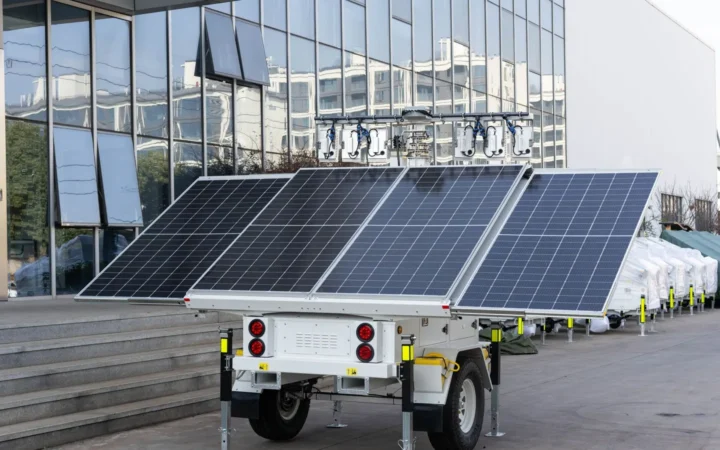
What a solar generator is, what it can and cannot power, how to size the battery and solar panels, realistic charging times, and how a solar generator compares with a gas generator for home backup.
 Portable Power Stations