Solar Generator: What It Really Is and How to Size One for Home Backup
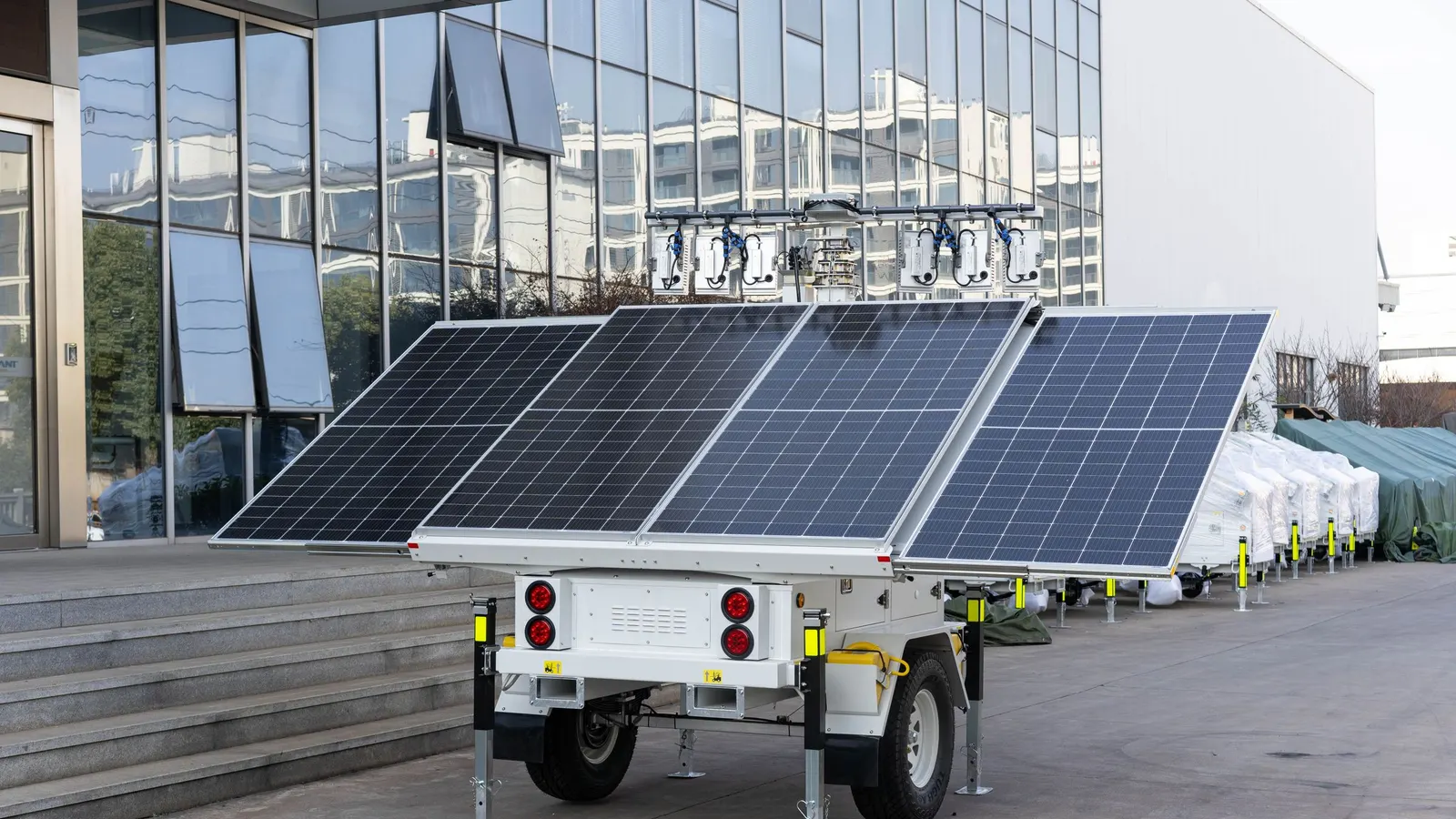
A solar generator promises backup power with no fuel, no fumes and almost no noise. That promise is real, but the name is a little misleading. A solar generator does not generate power the way a gas generator does. Instead, it is a portable power station, a battery with a built-in inverter, paired with solar panels that recharge it. This guide explains what a portable solar generator can really do, how to size the battery and panels, and how it compares with a gas generator for home backup.
Last reviewed and updated: October 1, 2026. Written by Jeremy Jarvis.
Key takeaways
- A solar generator is a portable power station sold with solar panels; it stores energy rather than generating it from fuel.
- Battery capacity decides how long it runs, inverter output decides what it runs, and panel wattage decides how fast it recharges.
- Real solar input is usually well below the panel rating, so size panels with conservative sun hours for your season.
- It is ideal for quiet, indoor essentials; long outages with big loads still favor a gas generator or a whole-home battery.
By the end, you will know how much capacity you need, how many panel watts make sense, and how long recharging really takes. You can follow along with our free Home Power Station Selector.
What a solar generator is
A solar generator combines three things. First, a battery stores energy, usually measured in watt-hours. Second, an inverter converts the battery’s DC power into household AC power at the outlets. Third, a charge controller accepts power from solar panels, the wall or a car. Many brands sell the power station and panels as a bundle and call the set a solar generator.
Because it stores energy rather than burning fuel, a solar generator is silent apart from cooling fans, produces no exhaust and can run indoors. Those are its biggest advantages for home backup.
What a solar generator is not
It is not an endless power source. The battery holds a fixed amount of energy, and the panels refill it only as fast as the sun allows. On a cloudy winter day, recharging may be slow. Therefore, a solar generator works best for essentials and moderate loads, not for running a whole house indefinitely.
It is also not a substitute for an installed whole-home battery with a backup gateway. Portable units can connect to some home circuits through a transfer switch, but they generally offer less output and capacity. Our home battery backup guide explains installed systems.
Capacity, output and surge
Three ratings matter. Capacity, in watt-hours (Wh), decides how long the unit runs. Continuous output, in watts, decides what it can run at once. Surge output decides whether motors such as fridge compressors and pumps can start. A unit with plenty of capacity but too little output cannot run a microwave. Conversely, a unit with big output but small capacity drains quickly.
Also check usable capacity and inverter efficiency. Converting DC to AC loses some energy, so you will not get every watt-hour on the label at the outlet. Planning with a 10 to 15 percent loss allowance keeps estimates realistic.
What a solar generator can run
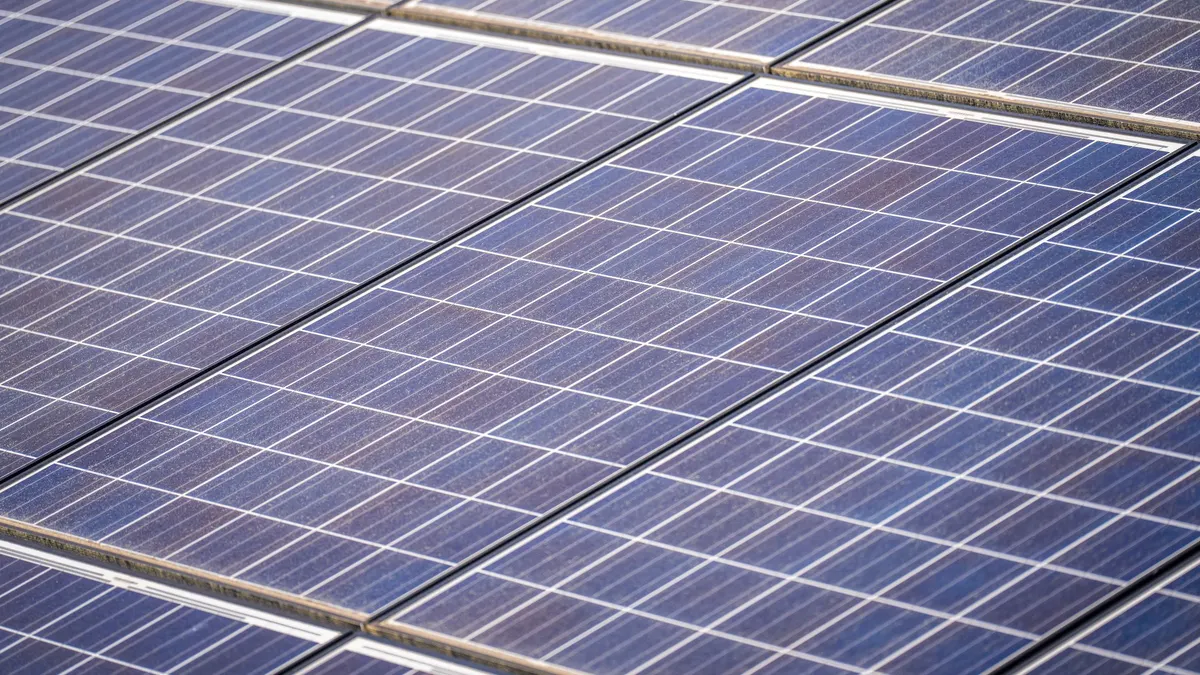
Portable solar generators handle many outage essentials. Phones, laptops, lights, routers, fans and CPAP machines draw little power and run for a long time. Many units can also run a modern refrigerator, which cycles on and off and averages far less than its nameplate rating. Some larger units can run a sump pump, microwave or small window air conditioner for limited periods.
Heavy loads are the challenge. Space heaters, electric kettles, hair dryers, ranges and central air draw a lot of power and drain even large units fast. In addition, 240-volt loads such as well pumps require a unit that supports 240-volt output. Check the specs before you count on any large appliance.
Sizing the battery
Start with a list of devices, their watts and the hours you will run each per day. Multiply watts by hours for each, then add them up. That total is your daily energy need in watt-hours. Then add a margin, around 20 percent, for losses and surprises. The result is the usable capacity to look for.
Here is an example. A refrigerator averaging about 60 watts over 24 hours uses roughly 1,440 Wh. Add a router, a CPAP for eight hours, phones, LED lamps, a laptop and a television, and the day comes to about 2,960 Wh. With a 20 percent margin, that is about 3,550 Wh. As a result, this home needs an expandable unit in the 2,500 to 6,000 Wh class to cover a full day without sun. Our Home Power Station Selector runs this calculation for your own list.
Sizing the solar panels
Panels decide how fast you can refill the battery. To size them, divide the energy you want to replace each day by your peak sun hours, then allow for losses. For example, to replace about 3,550 Wh with 4.5 peak sun hours and 25 percent losses, you would need roughly 1,050 watts of panels. That is a sizable portable array.
Check the power station’s solar input limits too. Every unit has a maximum solar wattage and a voltage range. Exceeding the voltage can damage it, and panels beyond the wattage limit add little. Match panels to the input specification, and use the connectors the manufacturer recommends.
Realistic charging times
Panel ratings are measured in ideal laboratory conditions. Outdoors, real output is usually lower because of sun angle, heat, dust, shading and cable losses. A 400-watt portable array might deliver noticeably less than 400 watts in practice. Consequently, recharging takes longer than the simple math suggests.
To estimate charging time, divide the energy you need to replace by the realistic solar input. For instance, refilling 2,000 Wh at an actual 300 watts takes nearly seven hours of good sun. In winter, with shorter days and a lower sun, it may take more than one day. Plan for the season that worries you most.
| Size class | Typical capacity | Typical uses in an outage |
|---|---|---|
| Small | Under about 500 Wh | Phones, lights, router, laptop |
| Mid-size | About 500 to 1,000 Wh | Adds a CPAP, fans, short fridge runs |
| Large | About 1,000 to 2,500 Wh | Refrigerator for about a day, plus essentials |
| Expandable home backup | About 2,500 to 6,000 Wh and up | Fridge, freezer, internet, lights, selected circuits |
Weather and seasons
Solar production changes a lot with the seasons. Summer days are long, and the sun is high. Winter days are short, and the sun is low. Snow on panels stops production until it melts or slides off. Similarly, a multi-day storm can bring heavy cloud cover. Therefore, a solar generator that easily covers a summer outage may fall short in winter.
Two habits help. First, keep the power station charged from the wall before storm season and before forecast storms. Second, trim loads during long cloudy stretches. If you need dependable winter backup for larger loads, consider pairing the solar generator with a small gas generator for recharging.
Solar generator vs. gas generator
| Factor | Solar generator | Gas generator |
|---|---|---|
| Indoor use | Yes, no exhaust | Never; outdoors only |
| Noise | Near silent | Engine noise |
| Fuel | Sun or wall charging | Gasoline or propane |
| Energy over many days | Limited by battery and sun | As long as fuel lasts |
| Big loads | Limited by inverter | Better for large loads |
| Maintenance | Minimal | Oil, plugs, fuel care |
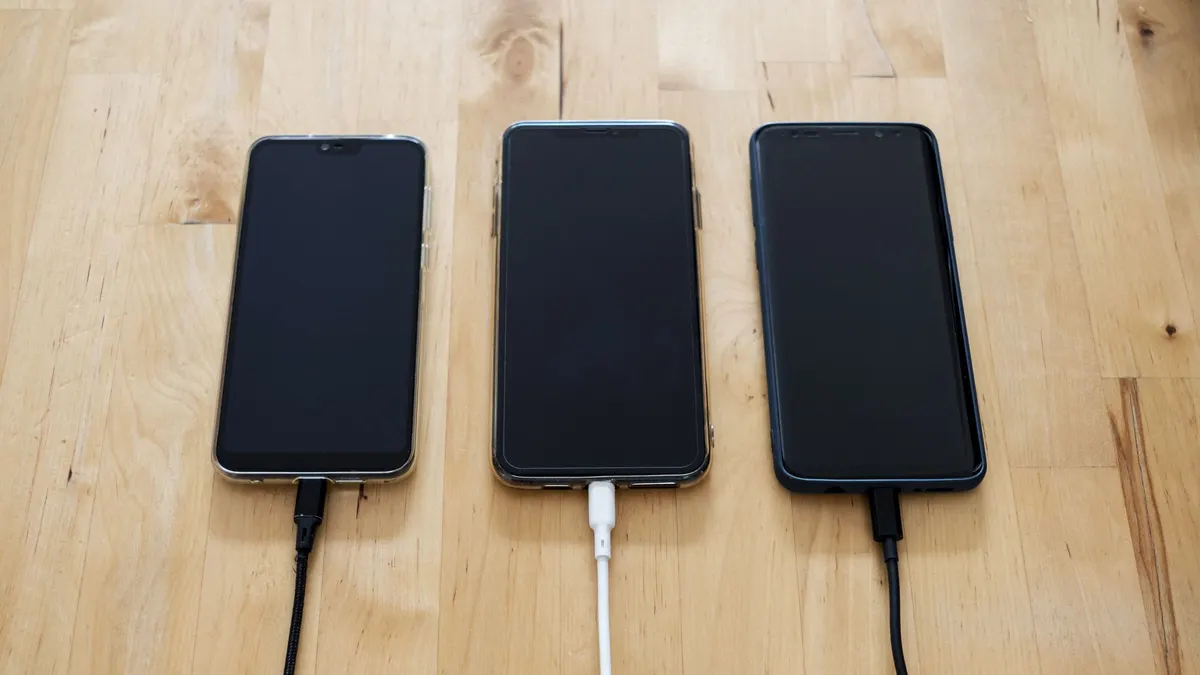
In short, a solar generator is the better tool for quiet, indoor essentials and short to moderate outages. A gas generator is better for long outages and heavy loads. Many households use both. Read our guide to choosing a generator for home use for the gas side.
Connecting a solar generator to home circuits
Most people run cords from the power station to individual appliances. That is simple and safe. Some larger units can feed selected home circuits through a dedicated transfer switch or a manufacturer’s home backup kit. If you go that route, a licensed electrician should install the switch, and you must keep the connected loads within the unit’s output. Our transfer switch guide explains the options.
Features worth comparing
Beyond capacity and output, a few features matter in an outage. Lithium iron phosphate batteries are known for long cycle life. Fast AC charging lets you refill from the wall before a storm. Expandability lets you add battery packs later. A pass-through or UPS-style feature can keep critical devices running when the grid drops. Finally, look at the warranty length and the number of charge cycles the maker rates the battery for.
Portability matters too. Large units can be heavy, so wheels and handles help. Check the outlet mix: the number of AC outlets, USB-C power delivery and any 30-amp or 240-volt outputs. Our portable power station buying guide goes deeper.
Setting up panels for the best output
Panel placement makes a big difference to a portable solar generator. Face the panels toward the sun, which in the United States usually means south. Tilt them so the sun hits them as squarely as possible; many portable panels have kickstands for this. Avoid shade, because even a small shadow across part of a panel can cut its output sharply.
During a long outage, move the panels a few times a day to follow the sun. Morning, midday and afternoon positions can add meaningful energy. Keep the panels clean, too. Dust, pollen and bird droppings reduce output. Finally, keep cables as short as practical and use the gauge the manufacturer recommends, because long thin cables waste power.
Charging from the wall and the car
Solar is only one way to charge. Before a forecast storm, charge the power station fully from a wall outlet. Many modern units charge quickly from AC, which means you can top up in an hour or two. During an outage, a car can also recharge some units through a 12-volt outlet, although slowly. Running a car for charging must happen outdoors, never in an attached garage.
Some households pair a portable solar generator with a small inverter generator. On sunny days, the panels do the work. On cloudy days, the generator runs outdoors for a few hours to refill the battery. This hybrid approach saves fuel and keeps noise to a minimum. Our inverter generator guide explains the gas side.
A solar generator for medical devices
Many people buy a solar generator to keep a CPAP or other medical device running during outages. That can work well, but plan carefully. Find the device’s power draw, ideally from the manufacturer, and decide whether to turn off heated humidifiers or other high-draw features during an outage. Then size the battery for at least one full night, and ideally several, without sun.
Test the setup before you need it. Run the device overnight from the power station at home, and note how much charge remains in the morning. Our CPAP battery backup guide covers this in detail.
Safety and storage
Solar generators avoid carbon monoxide, but they still need care. Keep them dry, ventilated and away from heat sources. Charge and store them within the temperature range the manufacturer lists. Use the cables and adapters the maker recommends, and do not exceed the solar input voltage. If a unit swells, smells or overheats, stop using it and contact the manufacturer.
For medical devices, follow the device supplier’s guidance. The FDA advises checking whether your device can run on batteries or a generator and how long. Keep the unit charged and test it with the device before you rely on it.
Solar generator checklist
- List devices with watts and hours to find daily energy use.
- Add about 20 percent for losses and surprises.
- Match continuous and surge output to your largest loads.
- Size panels with conservative sun hours for your season.
- Check the unit’s solar voltage and wattage input limits.
- Keep it charged from the wall before storms.
- Plan a gas generator or larger battery for long winter outages.
- Test it with your real devices before an outage.
Where to compare solar generators
Once you know your daily energy and output needs, compare current solar generator kits, portable solar panels and expandable LiFePO4 power stations. Specifications change often, so confirm capacity, output, input limits and warranty with each manufacturer. For more options, see our Home Batteries and Power Stations hub.
Frequently asked questions about solar generators
What is a solar generator?
A solar generator is a portable power station, a battery with a built-in inverter, charger and outlets, paired with solar panels that recharge it. It does not burn fuel, so it is quiet and can be used indoors.
Can a solar generator power a house?
A portable solar generator can power essentials such as a refrigerator, internet, lights and phones for a time, and larger expandable units can feed selected circuits through a transfer switch. Whole-house loads such as central air, electric heat and ranges usually exceed what portable units can deliver.
How long does a solar generator take to charge with solar?
Divide the energy you need to replace by the real solar input, which is usually well below the panel rating. Panels rated at a few hundred watts often need most of a sunny day to refill a mid-size power station.
Will a solar generator run a refrigerator?
Usually yes, if its continuous output covers the fridge and its surge rating handles the compressor start. Many modern refrigerators use roughly 1 to 2 kWh per day, so the battery size decides how long it lasts without sun.
Is a solar generator better than a gas generator?
It is better for quiet, fume-free, indoor use and needs no fuel, but it stores limited energy and recharges slowly in poor weather. Gas generators run large loads for days with fuel but must run outdoors and need maintenance.
Sources and how we researched this guide
This guide is research-based. We did not test specific solar generators; we explain how manufacturers specify power stations and panels, and we show the sizing and charging math used in our free Home Power Station Selector and Solar Panel Calculator. Confirm each product’s specifications with its maker. Found something out of date? Tell us and we will check it against the source.
- U.S. Department of Energy: Homeowner’s guide to going solar
- Ready.gov: Power outages
- American Red Cross: Power outage safety
- FDA: Tips about medical devices and natural disasters
Keep planning
- How Many Watts Does a Refrigerator Use? Running, Starting and Daily kWh
- CPAP Battery Backup: How to Keep Your CPAP Running in a Power Outage
- Best Portable Power Station for Home Backup: How to Choose the Right One
- Home Energy Monitor: How It Works, What It Shows and How to Choose
Go deeper: Home Batteries & Power Stations hub · Home Power Station Selector · Home Battery Backup Calculator
