
Batteries have changed home backup power. A portable power station can keep a refrigerator, internet and a CPAP running silently indoors, and a whole-home battery can switch over automatically and recharge from solar. But batteries store a fixed amount of energy, so the right choice depends on what you run and for how long. This hub explains the numbers that matter.
Two numbers decide everything: capacity and output
Capacity, in watt-hours (Wh) or kilowatt-hours (kWh), is how much energy the battery stores. It decides how long you can run things. Output, in watts (W) or kilowatts (kW), is how much power the inverter can deliver at once. It decides what you can run. A battery with plenty of capacity but too little output cannot start a well pump; a battery with big output but little capacity will run a space heater for only an hour or two.
Check both the continuous output and the surge rating, because motors need a brief surge to start. Then estimate runtime with the Home Battery Backup Calculator, which accounts for usable capacity and inverter losses.
Portable power stations
A power station combines a battery, inverter, charger and outlets in one box. Small units (under 1,000 Wh) handle phones, laptops, lights, routers and a CPAP. Mid-size and large units (1,000 to 3,000 Wh) can run a modern refrigerator for a day or more. Expandable models accept extra battery packs and, in some cases, connect to a home through a dedicated transfer switch or the maker’s home backup kit.
Most current power stations use lithium iron phosphate (LiFePO4) cells, which are rated for thousands of charge cycles and are considered more thermally stable than older lithium-ion chemistries. Compare the cycle rating, warranty, recharge speed from the wall and from solar, and the noise of the cooling fans. The Home Power Station Selector totals your devices and recommends a size class, never a brand.
Whole-home battery systems
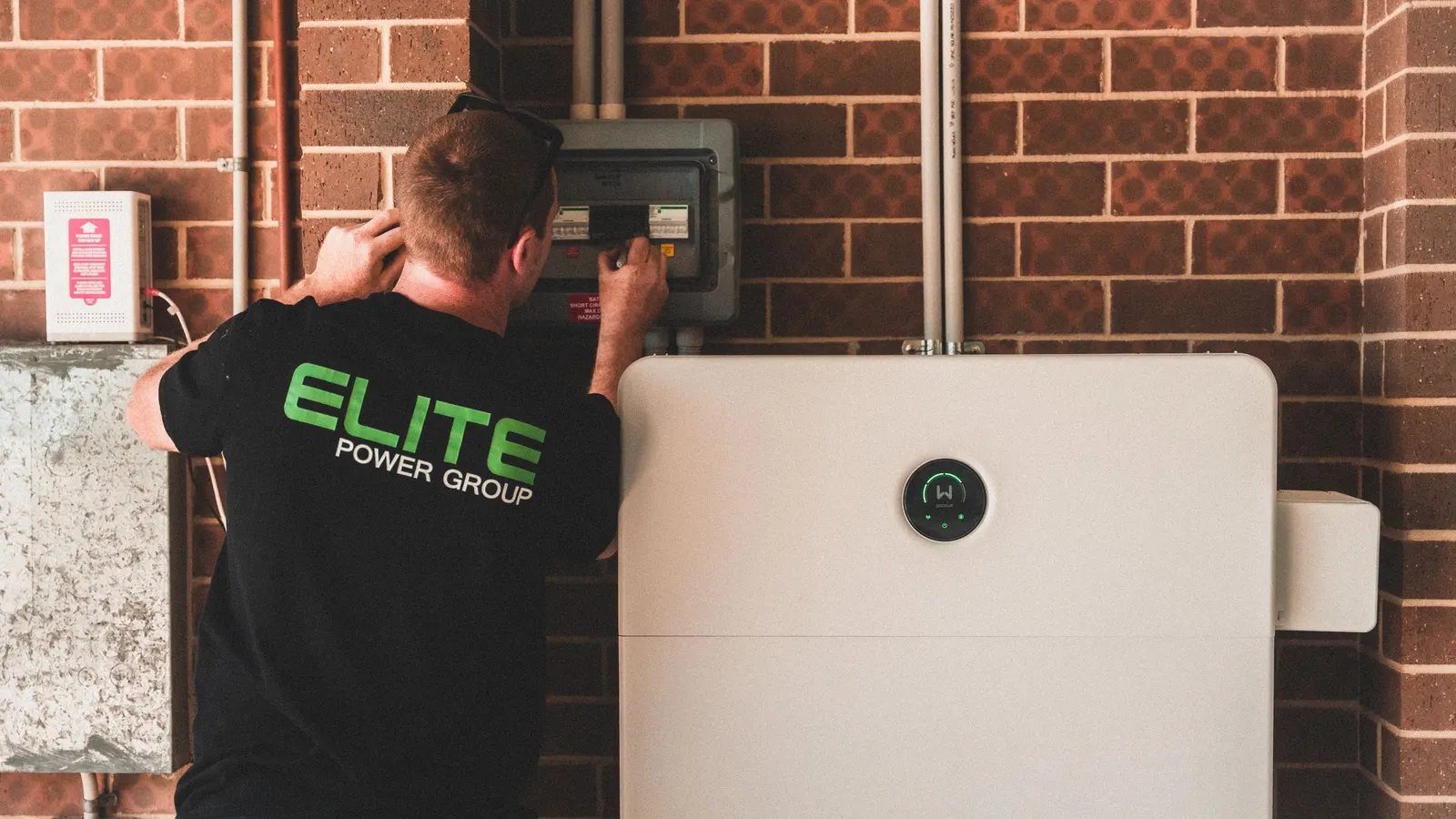
Whole-home batteries are installed by an electrician, connect to your main panel through a backup gateway or transfer device, and switch over automatically when the grid goes down. Systems are typically 10 to 15 kWh per unit and can be stacked. They pair naturally with solar, which can recharge them during a multi-day outage, and in some utility areas they can also cut bills by shifting solar energy to the evening or joining a utility program.
Installed costs vary widely by region, panel upgrades and permits, so get multiple itemized quotes. Ask what loads will be backed up, whether the system can start your largest motor, and how it behaves when solar is producing during an outage.
Solar generators
“Solar generator” is a marketing name for a power station sold with portable solar panels. Solar input lets you recharge during a long outage without fuel, but expect far less than the panel rating suggests: real output depends on sun angle, weather, temperature and shading. Plan with a conservative number of sun hours for the season you care about, especially winter.
Batteries for critical equipment
For a sump pump, a dedicated battery backup pump or a properly sized power station can prevent a flooded basement when storms knock out power. For CPAP machines and other medical devices, ask your equipment supplier and doctor about approved battery options, turn off heated humidifiers to extend runtime, and tell your utility if you rely on powered medical equipment; many keep a priority list.
Battery vs. generator
Batteries are silent, fume-free, safe indoors and nearly maintenance-free, and they can recharge from solar. Generators deliver much more energy over a multi-day outage as long as you have fuel. A common, sensible setup is a battery for quiet overnight essentials and a generator for long outages or big loads.
Start with these guides
- Home Battery Backup: How It Works, How to Size It and What It Costs How home battery backup works, the difference between capacity and output, how to size a system from your loads, pairing with solar, installation, costs and how batteries compare with generators.
- Best Portable Power Station for Home Backup: How to Choose the Right One How to choose the best portable power station for home backup: the specifications that matter, size classes and what each can run, charging and expansion, safety, warranty and common buying mistakes.
- Solar Generator: What It Really Is and How to Size One for Home Backup What a solar generator is, what it can and cannot power, how to size the battery and solar panels, realistic charging times, and how a solar generator compares with a gas generator for home backup.
- Solar Battery: How Solar Storage Works and When It Is Worth It How a solar battery works with rooftop panels, why grid-tied solar shuts off in outages without one, how to size storage, AC and DC coupling, costs and when solar storage is worth it.
- Tesla Powerwall 3: How It Works, Key Specs and Who It Suits A research-based guide to Tesla Powerwall 3: how its integrated battery and solar inverter work, the specifications Tesla publishes, backup and expansion options, installation, costs and how to decide if it suits your home.
- Sump Pump Battery Backup: Options, Sizing and Installation Basics How sump pump battery backup systems work, the three main types, how to size the battery and pump, installation basics, maintenance and how generators and power stations fit in.
- CPAP Battery Backup: How to Keep Your CPAP Running in a Power Outage How to keep a CPAP machine running during a power outage: understanding power draw, battery options, sizing runtime, DC versus AC power, humidifier settings, testing and talking to your supplier.
Tools for this topic
- Home Battery Backup Calculator – runtime with or without solar
- Home Power Station Selector – capacity, output and solar size for your devices
- Solar Panel Calculator – panels needed for your usage
- Electricity Cost Calculator – what each appliance really uses
Latest Home Batteries guides
New guides are added as they pass our fact-check. Browse everything in Home Batteries, or get new guides by email.
Sources we rely on
- U.S. Department of Energy: Solar and storage basics
- Ready.gov: Power outages
- FDA: Tips about medical devices and natural disasters
Frequently asked questions
Divide the usable capacity by your average load and allow for inverter losses. A 13.5 kWh battery running about 1,000 watts of essentials lasts roughly 12 hours, while a lighter load of about 500 watts can stretch past a day. Solar recharging can extend that during multi-day outages. Yes, if its continuous output covers the fridge and its surge rating handles the compressor start. A typical modern refrigerator uses roughly 1 to 2 kWh per day, so a 2,000 Wh station can often run one for about a day, depending on the model and conditions. LiFePO4 cells are considered among the more thermally stable lithium chemistries, and power stations built with them are designed for indoor use. Follow the manufacturer’s instructions on ventilation, charging and temperature, and buy units with recognized safety certifications. No. Batteries can charge from the grid and hold that energy for outages. Solar adds the ability to recharge during a long outage and can lower bills, but it is optional.How long will a home battery run my house?
Can a portable power station run a refrigerator?
Are lithium iron phosphate batteries safe indoors?
Do I need solar to get a home battery?