
Solar Tax Credit in 2026: What Ended, What Remains and What to Do Now
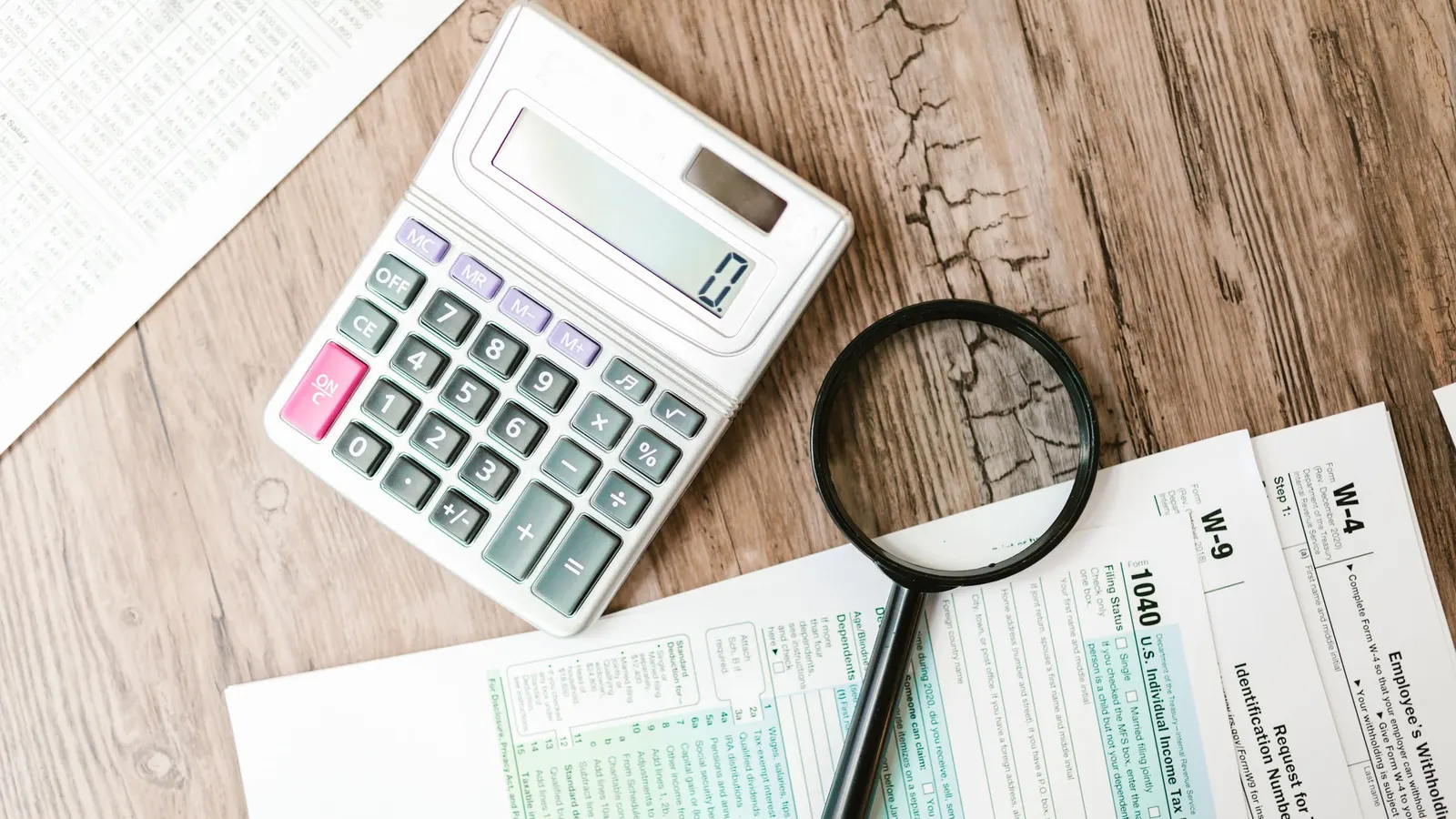
The solar tax credit shaped home solar for years, so it is no surprise that many homeowners still ask about it. In short, the federal residential clean energy credit, which covered solar panels and home batteries, is no longer available for new systems. According to the IRS, it is not available for property placed in service after December 31, 2025. This guide explains what the credit was, what changed, why the placed-in-service date matters, and which incentives may still help.
Last reviewed and updated: October 2, 2026. Written by Jeremy Jarvis.
Key takeaways
- The IRS states the residential clean energy credit is not available for property placed in service after December 31, 2025.
- Systems placed in service in 2022 through 2025 may still qualify, and you claim the credit on the tax return for the year of installation.
- Battery storage was covered under the same credit beginning in 2023, with the same end date.
- State, local and utility incentives still exist in some places, so check DSIRE and your utility before you budget.
This is general information, not tax advice. Tax rules are complex and individual situations differ, so talk with a tax professional before you rely on any credit.
The solar tax credit in 2026: the short answer
If your solar system is placed in service in 2026 or later, you should not count on the federal residential clean energy credit. That changes the math for new projects. In contrast, if your system was placed in service from 2022 through 2025 and met the rules, you may still be able to claim the credit on the tax return for that year.
Many websites have not caught up. Some still describe a 30 percent credit lasting into the 2030s. Always check the IRS’s own page, because it reflects current law. We link to it in the sources below.
What the residential clean energy credit was
According to the IRS, the residential clean energy credit equaled 30 percent of the costs of new, qualified clean energy property for your home installed from 2022 through December 31, 2025. Qualified property included solar electric panels, solar water heaters, wind turbines, geothermal heat pumps, fuel cells and, beginning in 2023, battery storage technology.
The credit was claimed on your federal income tax return for the year the system was installed. It reduced the tax you owed, rather than arriving as a check. For many homeowners, it shortened solar payback by years.

What changed for the federal solar tax credit
The IRS page now states that the credit is not available for any property placed in service after December 31, 2025. In practice, that means new solar and battery installations completed in 2026 do not qualify for the federal residential clean energy credit. The change followed federal tax legislation enacted in 2025.
Other home energy credits changed as well. The IRS states that the energy efficient home improvement credit, which covered items such as heat pump water heaters, applies to improvements made through December 31, 2025. It also states that the alternative fuel vehicle refueling property credit, which covered home EV chargers in eligible areas, applied to property from January 1, 2023, to June 30, 2026.
Why the placed-in-service date matters
The IRS ties eligibility to when property is placed in service, not to when you sign a contract or pay a deposit. Placed in service generally means the system is installed and ready to operate. As a result, a project signed in late 2025 but finished in 2026 may not qualify.
If your project straddled the deadline, gather your documents. Keep the contract, invoices, permit sign-offs, inspection records and the utility’s permission-to-operate letter. Then ask a tax professional how the rules apply to your dates.
Claiming the solar tax credit for a 2025 installation
If your system was placed in service in 2025 or an earlier qualifying year, you may still be able to claim the credit for that year. Homeowners typically use IRS Form 5695 for residential energy credits. The credit is based on qualified costs, so keep itemized invoices that separate eligible equipment and labor from items that may not qualify.
If you already filed and missed the credit, an amended return may be possible within the IRS time limits. A tax professional can tell you whether that makes sense.
What about home batteries?
Battery storage was included in the residential clean energy credit beginning in 2023, according to the IRS. Therefore, batteries share the same end date: property placed in service after December 31, 2025 does not qualify. That affects the economics of adding storage now. Our solar battery guide explains how to judge storage on its own merits.

State and local incentives that may remain
Federal changes do not end every incentive. Some states offer their own tax credits or rebates for solar or batteries. Some cities and counties offer property tax exemptions so that solar does not raise your property tax assessment. Others exempt solar equipment from sales tax. These programs vary widely and can change from year to year.
The DSIRE database, run with support from the U.S. Department of Energy, lists incentives by state. Search your state, then confirm each program on the official agency page before you count on it. Ask installers which incentives they include in quotes, and verify each one yourself.
Utility programs
Utilities offer their own incentives in some areas. These can include rebates for solar or batteries, payments for letting a battery support the grid at peak times, or special time-of-use rates. Net metering or net billing rules also affect solar value. Our net metering guide explains how export credits work. Check your utility’s website for current programs.
How losing the solar tax credit affects payback
Without a 30 percent federal credit, the net cost of a new system is higher, so payback takes longer. However, solar can still make financial sense where electricity rates are high, roofs are sunny and export credits are fair. The key is to run your own numbers. Enter your real quote in the Solar Payback Calculator and leave the incentive field at zero unless you have confirmed a specific program.
Price per watt matters even more now. Getting several quotes and comparing them carefully can offset part of what the credit used to provide. Our solar panel cost guide explains how to compare.
Avoiding solar tax credit misinformation
Because the rules changed, outdated claims are common. Be cautious if a salesperson promises a federal credit for a system that will be placed in service after 2025. Ask them to show you the IRS page that supports the claim. Similarly, be wary of ads that describe the credit as a rebate or free money. It was always a tax credit, and it depended on your tax situation.
Look for clear, written statements in your contract about which incentives are assumed. If a quote’s savings depend on a credit you cannot verify, ask for a version without it. That gives you an honest baseline.
Common questions about timing
Timing questions come up often. One is whether a deposit or signed contract in 2025 locks in the credit. Based on the IRS wording, eligibility depends on when property is placed in service, so a contract alone is not the deciding factor. Another question is whether a system that was installed but not yet approved by the utility counts. That depends on the facts, so a tax professional should review your records.
A third question concerns expansions. If you add panels or a battery in 2026 to a system installed earlier, the new equipment is placed in service in 2026. As a result, it would not qualify for the expired credit. Keep separate invoices for each phase of a project, because they make these questions easier to answer.
Leases, power purchase agreements and the solar tax credit
Homeowners who lease solar or sign a power purchase agreement do not own the equipment. Historically, the owner of the system, not the homeowner, claimed any tax benefit. Therefore, the end of the residential solar tax credit mainly affects homeowners who buy their systems. Lease and agreement pricing may still change over time as companies adjust to tax rules that apply to them. Read any offer carefully and compare it with ownership.
Budgeting for solar without the credit
Planning without the federal credit is mostly about being realistic. Start with a quote’s total price. Subtract only incentives you have confirmed on an official site. Then compare that net cost with your expected yearly savings. If payback still fits your timeline, the project can make sense.
Several levers can help. First, right-size the system to your real usage. Second, compare at least three quotes, because price per watt varies widely. Third, consider efficiency upgrades first, so you need fewer panels. Finally, check whether your utility offers time-of-use rates or battery programs that change the value of solar. Each step can recover part of what the credit used to provide.
Other ways to lower the cost of solar
With the federal solar tax credit gone for new systems, other savings matter more. Community solar is one option where it exists. You subscribe to a share of a local solar farm and receive bill credits, with no equipment on your roof and often no upfront cost. Availability depends on your state and utility, so check whether programs operate in your area.
Group purchasing programs are another option in some communities. Neighbors sign up together, and a selected installer offers a set price. Because of the volume, prices can be competitive. Local nonprofits, cities and counties sometimes organize these programs.
Finally, efficiency still pays. Every kilowatt-hour you avoid using reduces the system size you need. LED lighting, efficient appliances, air sealing and a heat pump water heater can lower your bills right away. Then a smaller solar system may cover what remains. Our home energy audit guide shows where to start.
Keeping records for your taxes
Good records help whether you are claiming a past credit or simply documenting a new system. Keep the signed contract, itemized invoices, proof of payment, permit and inspection records, the utility’s permission-to-operate letter and equipment spec sheets. Store copies digitally and on paper. If you sell the home, these records also help buyers understand the system.
What to do now
If you are considering solar in 2026, start with the basics. Check your electricity rate, your roof and your utility’s export rules. Then get several quotes and compare price per watt. Next, search DSIRE and your utility for incentives. Finally, run the numbers with no federal credit. If the project still makes sense, you will have a decision that holds up. Our guide to whether solar panels are worth it walks through each factor.
| Federal credit | What it covered | Timing stated by the IRS |
|---|---|---|
| Residential clean energy credit | Solar, solar water heating, wind, geothermal heat pumps, fuel cells, battery storage from 2023 | Installed 2022 through December 31, 2025; not available for property placed in service after that date |
| Energy efficient home improvement credit | Efficiency improvements, including heat pumps and heat pump water heaters | Improvements made through December 31, 2025 |
| Alternative fuel vehicle refueling property credit | EV charging equipment in eligible census tracts | January 1, 2023 to June 30, 2026 |
Solar tax credit checklist
- Check the placed-in-service date of your system.
- For 2022 to 2025 systems, keep invoices and ask about Form 5695.
- For 2026 systems, budget without the federal credit.
- Search DSIRE for state and local incentives.
- Check your utility for rebates and battery programs.
- Ask installers to show quotes with and without incentives.
- Verify every claimed incentive on an official site.
- Talk to a tax professional about your situation.
Keep planning
Run your numbers in the Solar Payback Calculator, then explore our Home Solar hub for guides on cost, net metering and batteries. If you want to track receipts and paperwork, a simple document organizer keeps project records in one place for your tax preparer.
Frequently asked questions about the solar tax credit
Is the federal solar tax credit still available in 2026?
Not for new systems. The IRS states that the residential clean energy credit is not available for any property placed in service after December 31, 2025. Systems placed in service in earlier qualifying years may still be claimed on those years’ returns.
What did the residential clean energy credit cover?
According to the IRS, it equaled 30% of the costs of new, qualified clean energy property installed from 2022 through 2025, including solar electric panels, solar water heaters, wind turbines, geothermal heat pumps, fuel cells and battery storage beginning in 2023.
What does placed in service mean for the solar tax credit?
Placed in service generally means the system is installed and ready to operate. Because the IRS ties eligibility to that date, a system contracted in 2025 but not placed in service until 2026 may not qualify. Ask a tax professional how this applies to your project.
Are there still solar incentives without the federal credit?
Yes, in some places. Certain states, cities and utilities offer rebates, performance payments, property or sales tax exemptions, or favorable rates. The DSIRE database lists programs by state.
Did other home energy tax credits end too?
The IRS states that the energy efficient home improvement credit applies to improvements made through December 31, 2025, and that the alternative fuel vehicle refueling property credit covered property from January 1, 2023, to June 30, 2026.
Sources and how we researched this guide
This guide is research-based and is not tax advice. We quote the IRS’s own pages on the residential clean energy credit, the energy efficient home improvement credit and the alternative fuel vehicle refueling property credit as they read in October 2026. Consult a tax professional about your situation. Found something out of date? Tell us and we will check it against the source.
- IRS: Residential clean energy credit
- IRS: Energy efficient home improvement credit
- IRS: Alternative fuel vehicle refueling property credit
- DSIRE: Database of state incentives
- U.S. Department of Energy: Homeowner’s guide to going solar
Keep planning
- Solar Panel Maintenance: What Panels Need and What They Do Not
- Off-Grid Solar System: How to Size Panels, Batteries and Backup
- Net Metering Explained: How Solar Export Credits Work and Why They Matter
- Are Solar Panels Worth It? How to Decide With Your Own Numbers
Go deeper: Home Solar hub · Solar Panel Calculator · Solar Payback Calculator
