
Solar Battery: How Solar Storage Works and When It Is Worth It
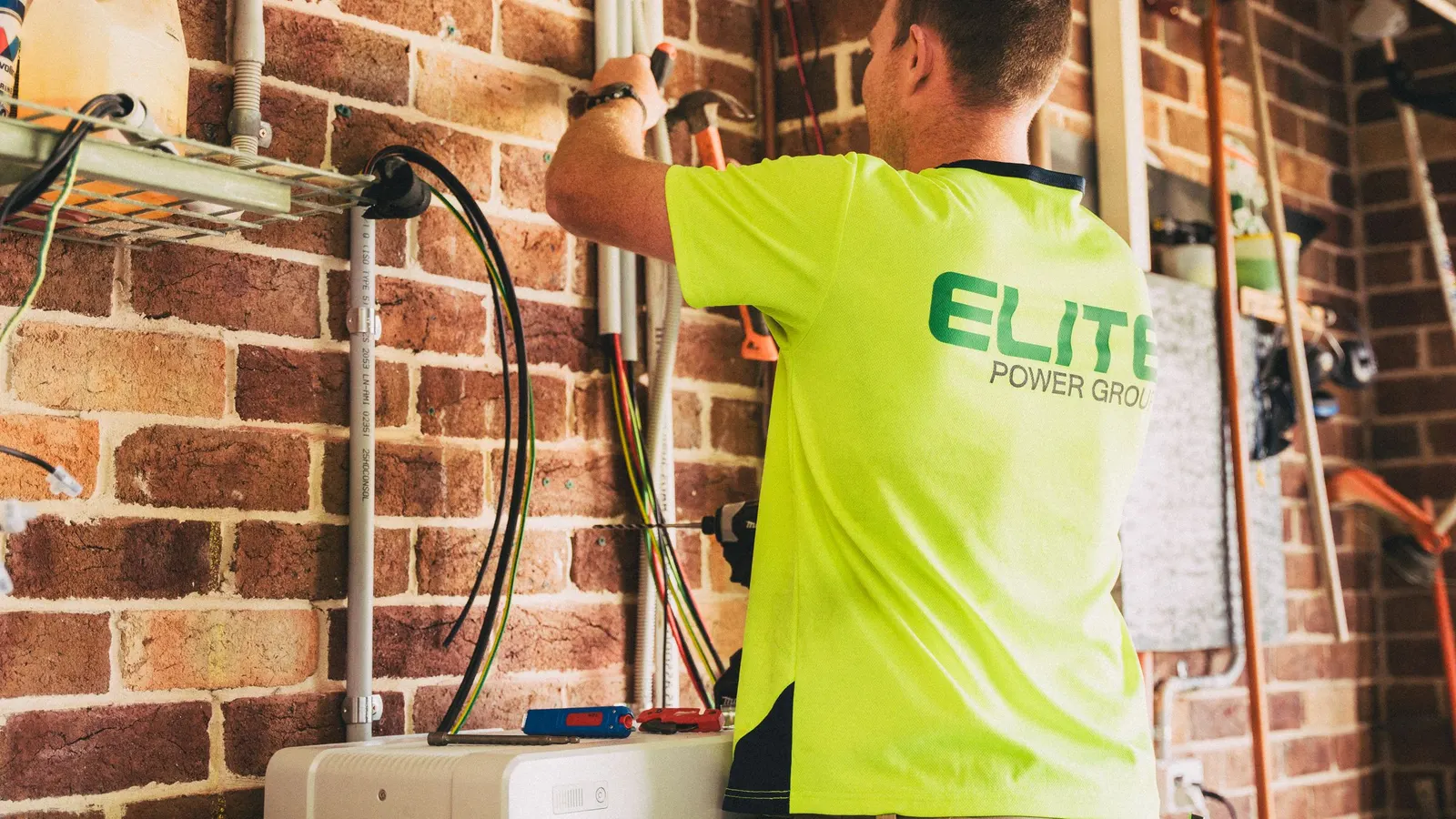
A solar battery stores the energy your rooftop panels make, so you can use it later: in the evening, during a blackout or when grid power costs the most. Without storage, solar only helps while the sun shines and the grid is up. With solar battery backup, your panels become a source of power you can count on during outages. This guide explains how solar storage works, how to size it, and when it is worth the cost.
Last reviewed and updated: October 1, 2026. Written by Jeremy Jarvis.
Key takeaways
- A solar battery stores solar energy for evenings, outages or times when grid power costs more.
- Most grid-tied solar shuts off in a blackout; a battery with a backup gateway lets solar keep powering your home.
- Size storage from your evening or outage loads and the hours you want to cover, not from your panel size alone.
- Whether it pays off depends on export credits, time-of-use rates, outage risk and incentives.
We will cover outage behavior, AC and DC coupling, sizing math, daily savings and incentives in plain terms. By the end, you will be able to judge any solar-plus-storage quote with your own numbers.
Why add a solar battery?
There are three main reasons. First, backup: a battery can keep essentials running during outages and let solar recharge it. Second, savings: in many places, stored solar is worth more when used at home in the evening than when exported to the grid. Third, independence: storage reduces how much you rely on the grid at peak times.
The weight of each reason depends on where you live. In a hurricane or wildfire region, backup may matter most. Meanwhile, in an area with low export credits and high evening rates, savings may lead. Knowing your main reason helps you choose the right system size.
Why solar alone shuts off in a blackout
Many solar owners are surprised the first time the grid fails. The panels are in full sun, yet the house goes dark. That is by design. Grid-tied inverters must stop producing when the grid is down, so they never send power onto lines that utility crews believe are dead. This protection is called anti-islanding.
A solar battery system adds a backup gateway or transfer device. When the grid fails, the gateway disconnects your home from the utility. Then the battery and inverter create a safe, isolated circuit inside your home, and solar can keep running within it. As a result, a sunny day during an outage can refill the battery for the next night.
How a solar battery works day to day
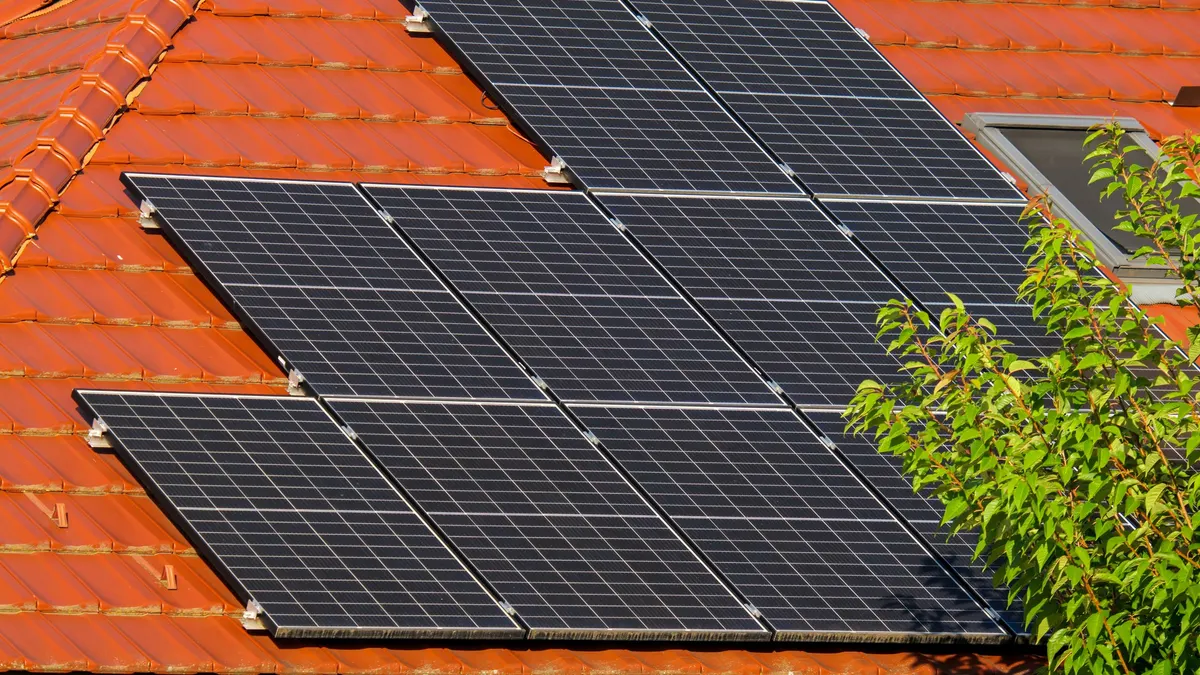
On a typical day, your panels produce power. Your home uses some of it immediately. The surplus charges the battery. Once the battery is full, any extra flows to the grid, earning credit under your utility’s rules. Then, in the evening, the battery discharges to power your home, reducing what you buy from the grid.
Most systems let you choose a mode. Some prioritize self-consumption, using as much solar as possible at home. Others focus on time-of-use savings, discharging when grid power is expensive. Still others keep the battery full for backup. In every case, you can usually set a backup reserve that stays untouched for outages.
AC-coupled vs. DC-coupled storage
Batteries connect to solar in one of two ways. In an AC-coupled system, the solar inverter converts panel power to AC first, and the battery has its own inverter to charge from AC. This design is common for adding storage to existing solar, because it works alongside many inverters.
In a DC-coupled system, solar DC power charges the battery directly through a shared or hybrid inverter. This can be slightly more efficient for charging from solar, because it avoids an extra conversion. It is common in new installations. Some newer batteries, such as the Tesla Powerwall 3, include an integrated solar inverter, which blends these approaches. An installer will recommend the best fit for your equipment.
How to size a solar battery
Size storage from what you want the battery to do, not from your panel size. For backup, list the loads you want during an outage and estimate their average draw. Then decide how many hours you want to cover without sun. Multiply load by hours, allow for inverter losses, and compare with usable battery capacity.
For daily savings, look at your evening usage. If your home uses a certain amount of energy between sunset and bedtime, a battery around that size can cover it with stored solar. Larger batteries may sit partly unused. Smaller ones may run out early. Your utility’s hourly usage data, or a home energy monitor, shows the pattern.
Our Home Battery Backup Calculator estimates runtime and the effect of daily solar recharge. Pair it with the Solar Panel Calculator to check that your panels can refill the battery.
Solar storage sizing example
Consider a home whose essentials average about 800 watts during an outage. A battery with about 12 kWh usable could run those essentials for roughly 13 hours after losses. Now add solar. If the panels produce 15 kWh on a sunny day, and the home uses about 19 kWh across a full day of essentials, the battery drains more slowly. As a result, the home might last several days with careful use in good weather.
In winter or cloudy weather, solar production may fall sharply. In that case, the same home might stretch the battery to a day or two at most. Therefore, plan your backup expectations around the season you care about most.
| Goal | What to size from | Typical approach |
|---|---|---|
| Outage backup for essentials | Average outage load times hours | One battery on an essentials panel |
| Whole-home outage backup | Peak loads and full daily use | Multiple batteries or load management |
| Evening self-consumption | Energy used from sunset to bedtime | Battery near evening use |
| Time-of-use savings | Energy used during peak-rate hours | Battery near peak-hour use |
Daily savings: when storage pays
Storage saves money when stored solar is worth more than exported solar. That happens under several common rate structures. Under net billing, utilities credit exports at a lower rate than retail power, so using your own solar later saves more. Under time-of-use rates, evening power costs more, so discharging the battery at peak times helps. Some utilities also pay batteries to support the grid during peak demand.
By contrast, under full retail net metering, exported power earns the same value as power you buy. In that case, a battery saves little on the bill, and backup becomes the main benefit. Our net metering guide explains how to read your utility’s rules.

The backup value of solar storage
Backup value is harder to price but very real. A battery can protect a sump pump during a storm, keep medical equipment running, preserve food and let you work from home. For households with frequent outages, those benefits may matter more than bill savings. Think about what a typical outage costs you, then weigh that against the price of storage.
Solar plus storage also has a resilience advantage over a generator alone. It needs no fuel deliveries, makes no noise and produces no carbon monoxide. However, it stores limited energy, so very long cloudy outages may still call for a generator as a backup to the backup.
Adding a battery to existing solar
Many homeowners add storage years after installing solar. In most cases, an AC-coupled battery can work alongside the existing system. The installer will check your inverter, main panel capacity and utility rules. Some utilities require a new interconnection application when you add storage.
Ask how adding a battery affects your current net metering terms. In some areas, modifying a system can move you to a newer, less favorable rate. Ask the utility before you sign. Also, ask whether your existing solar warranty is affected by the new equipment.
Battery chemistry and lifespan
Most solar batteries use lithium-based cells, and many use lithium iron phosphate, valued for long cycle life and thermal stability. Warranties usually guarantee a share of capacity after a set number of years or energy throughput. Because daily cycling uses that throughput, read the warranty in light of how you plan to use the battery.
Temperature matters too. Batteries perform best within the manufacturer’s stated range, and many include heating or cooling. Install the battery where it stays within that range.
Costs and incentives
Installed costs vary widely by battery size, backup design, region and whether the battery is added to new or existing solar. Compare itemized quotes that list equipment, labor, permits, gateway and any panel upgrades. Price per usable kilowatt-hour helps compare different sizes.
Incentives changed after 2025. The IRS states that the residential clean energy credit, which covered solar and battery storage, is not available for property placed in service after December 31, 2025. Some states and utilities still offer rebates or payments for storage. DSIRE lists programs by state, and your utility’s website lists its own.
Solar battery backup in winter outages
Winter is the hardest season for solar battery backup. Days are short, the sun sits low, and snow can cover panels. As a result, daily production may be a fraction of summer output. Meanwhile, homes often use more power in winter for lighting and, if electric, for heating. That combination can drain a battery faster than solar can refill it.
Plan for it. Set a higher backup reserve before winter storms. Trim outage loads to the essentials, and remember that a gas furnace still needs power for its blower. If your home heats with electricity, a battery alone may not carry you through a long cold outage. In that case, a generator for long outages, or a larger battery system, may be needed. Our guide to what to do during a power outage covers staying warm safely.
Questions to ask solar battery installers
Good questions reveal good installers. Start by asking which circuits will run during an outage, and what happens if a large load turns on. Next, find out how solar behaves during an outage with their design. The backup reserve and the app deserve a question too. Finally, confirm how the battery connects to your existing or planned solar, and whether your utility requires a new interconnection agreement.
Then ask about the long term. Who handles warranty claims and service? How will the system be monitored? What happens if the battery or inverter needs replacement? Clear, specific answers show an installer who will support the system for years.
Monitoring and upkeep
Solar batteries need little routine maintenance, but they do need attention. Check the app now and then to confirm the battery charges and discharges as expected. Watch for error messages after storms or utility work. Keep the area around the battery clear, and follow the manufacturer’s clearance rules.
Once a year, review your settings. Rates and programs change, and the mode that saved the most last year may not be best now. In addition, test your solar battery backup by simulating an outage if your installer recommends it. Knowing exactly what runs, and for how long, makes a real outage far less stressful.
Is a solar battery worth it for you?
A solar battery is most likely worth it if several of these apply: you lose power often, your utility credits exports at a low rate, evening electricity costs more, a utility program pays for storage, or someone in your home relies on powered medical equipment. If none apply, storage may be a resilience purchase rather than a money saver. That can still be a good choice, as long as you know which one you are making.
Use the free Home Power Plan Builder to see where storage fits in your overall plan. Then read our home battery backup guide for more on sizing and installation.
Solar battery checklist
- Decide whether backup, savings or both is your main goal.
- Check how your utility credits exports and prices evening power.
- List outage loads and estimate average draw.
- Size usable capacity for the hours you want to cover.
- Confirm the system includes a backup gateway for outages.
- Ask about AC or DC coupling with your current solar.
- Check whether adding storage changes your net metering terms.
- Look up state and utility incentives before signing.
Portable options
If a whole-home system is not in your plans, a portable power station with solar panels can still store solar for outages. It will cover smaller loads, such as a fridge, internet and lights, and can recharge from portable panels during long outages. Compare current power stations with solar panels and size one with our Home Power Station Selector. Confirm specifications with each manufacturer.
Frequently asked questions about solar batteries
Do solar panels work during a power outage?
Standard grid-tied solar systems shut down when the grid fails, so they cannot energize lines that crews are repairing. To use solar during an outage, you need a battery with a backup gateway or an inverter designed to isolate your home safely.
Is a solar battery worth it?
It is often worth it where exported solar earns a low credit, evening power costs more, outages are common or a utility pays for battery programs. Where full retail net metering credits exports, the bill savings are smaller and backup becomes the main benefit.
How big a solar battery do I need?
Add up the energy you use in the evening or want to cover in an outage, then divide by usable battery capacity after losses. Many homes size one battery for essential circuits, while whole-home backup with heavy loads needs more storage.
Can I add a battery to my existing solar system?
Usually yes. Many batteries are AC-coupled, which means they connect to your home’s electrical system alongside an existing solar inverter. An installer will check compatibility, panel space and utility rules.
Is there a federal tax credit for solar batteries?
The IRS states that the residential clean energy credit, which covered solar and battery storage, is not available for property placed in service after December 31, 2025. State and utility incentives may still apply.
Sources and how we researched this guide
This guide is research-based. We did not install a specific battery; we explain solar-plus-storage using Department of Energy guidance and how manufacturers specify batteries, and we show the sizing math used in our free calculators. Savings depend on your utility’s current rules. Found something out of date? Tell us and we will check it against the source.
- U.S. Department of Energy: Homeowner’s guide to going solar
- U.S. Department of Energy: Solar integration and distributed energy
- IRS: Residential clean energy credit
- SEIA: Net metering
- DSIRE: Database of state incentives
Keep planning
- Solar Panel Maintenance: What Panels Need and What They Do Not
- Off-Grid Solar System: How to Size Panels, Batteries and Backup
- Net Metering Explained: How Solar Export Credits Work and Why They Matter
- Solar Tax Credit in 2026: What Ended, What Remains and What to Do Now
Go deeper: Home Batteries & Power Stations hub · Home Battery Backup Calculator · Home Power Station Selector
