
Solar Panel Cost: What Drives the Price and How to Compare Quotes
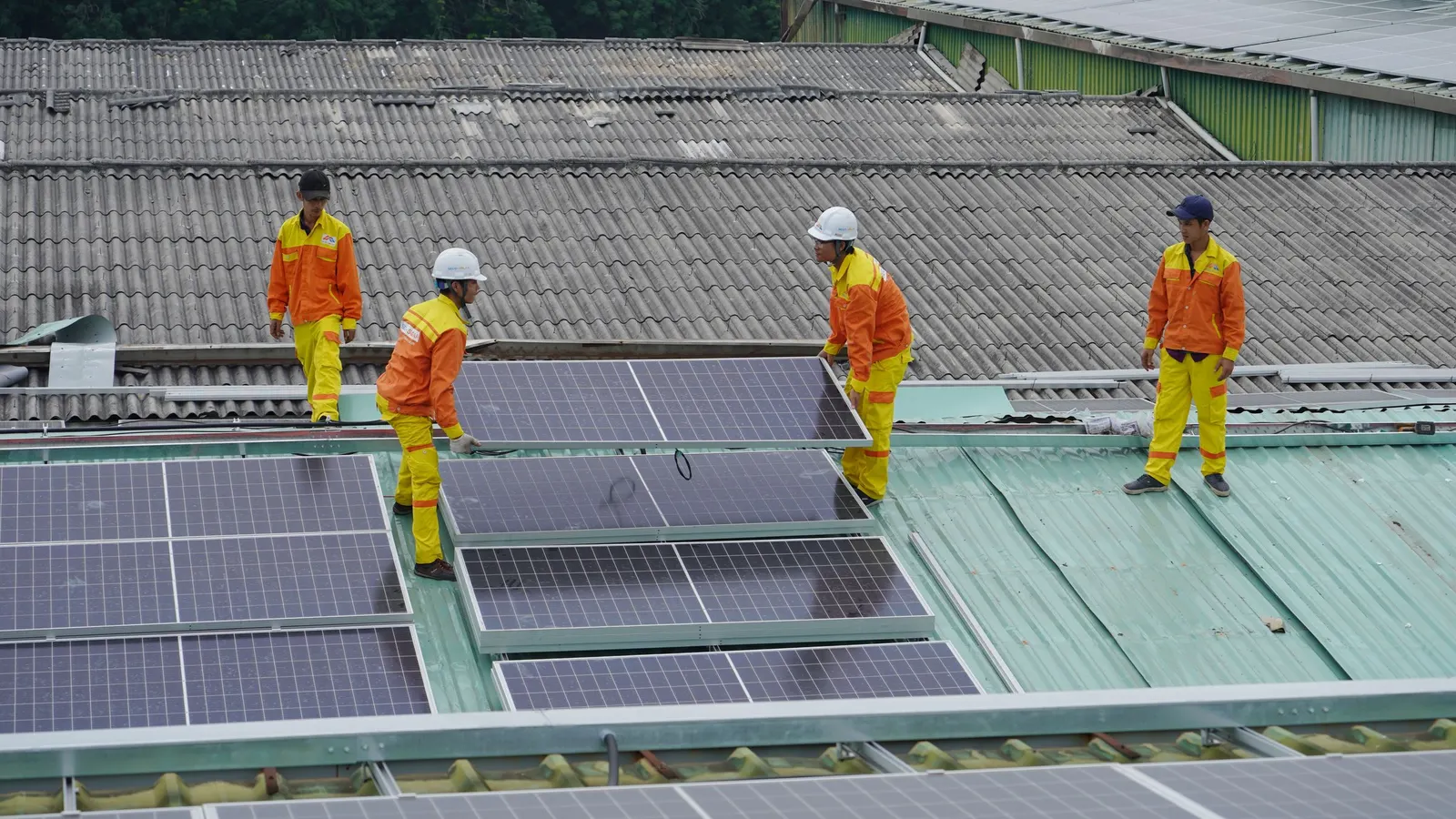
Solar panel cost is the first question most homeowners ask, and the hardest to answer with a single number. Two neighbors can get very different quotes for systems that look similar on paper. That is because the price depends on system size, equipment, roof, electrical work, labor and local rules. This guide explains what drives the price of home solar, how to compare quotes fairly, and how financing and incentives affect the real solar panel installation cost.
Last reviewed and updated: October 1, 2026. Written by Jeremy Jarvis.
Key takeaways
- Solar panel cost is best compared as price per watt installed, which makes quotes for different system sizes comparable.
- Panels are only part of the price; inverters, racking, labor, permits, interconnection and electrical upgrades add the rest.
- The federal residential clean energy credit ended for systems placed in service after December 31, 2025, so budget without it.
- Get at least three itemized quotes and compare equipment, warranties and price per watt, not just the total.
We do not publish average prices here, because averages hide the details that matter for your home. Instead, you will learn how to read a quote and judge whether it is fair. Then you can check the payback with our free Solar Payback Calculator.
Price per watt: the number that makes quotes comparable
Solar is usually priced by the watt. To find price per watt, divide the total installed price by the system size in watts. For example, a quote of a given price for a 7 kilowatt system means dividing that price by 7,000. This simple step lets you compare a 6 kW quote with an 8 kW quote fairly.
Price per watt is not the whole story. One installer may use premium panels and microinverters, while another uses a string inverter. Warranties differ too. Even so, price per watt is the best starting point, and it quickly reveals quotes that are far out of line.
System size: the biggest driver of solar panel cost
The larger the system, the higher the total cost, although the price per watt often falls as size grows. Size should come from your electricity use, not from roof space alone. Add up twelve months of bills to find your yearly kilowatt-hours. Then use the Solar Panel Calculator to estimate how many panels and kilowatts cover that use.
Think ahead as well. If you plan to buy an electric vehicle or switch to a heat pump, your use will rise. Some homeowners size a little larger now to avoid adding panels later. On the other hand, oversizing beyond what your utility credits can waste money. Check your utility’s sizing rules before you decide.

How equipment choices change solar panel cost
Equipment is a major part of solar panel cost. Panels vary in efficiency, appearance and warranty. Higher-efficiency panels produce more power per square foot, which matters on small roofs. Inverters come in several types: string inverters, microinverters and optimizer systems. Microinverters and optimizers can help on shaded or complex roofs, but they usually cost more.
Racking and wiring vary with roof type. Tile, slate and metal roofs need different hardware than asphalt shingles, and some take more labor. Monitoring systems are usually included, but check what yours shows and for how long.
Solar panel installation cost: labor, permits and interconnection
Installation labor depends on roof pitch, height, access and system complexity. Steep, multi-story roofs take longer and need more safety equipment. In addition, local labor rates vary by region.
Soft costs add up too. Permits, inspections, design and utility interconnection paperwork all take time. Some areas have simple, fast permitting, while others require detailed plans and multiple inspections. These differences show up in the price, even if you never see them on the roof.
Roof and electrical upgrades
Your roof matters. Solar panels last for decades, so an old roof may need replacing before installation. Removing and reinstalling panels later costs money, so it often makes sense to fix the roof first. Ask installers whether they inspect the roof, and get a separate roofing quote if needed.
Electrical upgrades can surprise buyers. Older homes may need a main panel upgrade to handle solar safely. Some systems need a new meter socket or service changes. These items can add substantially to the cost, so ask about them on the first visit.
Batteries change the price
Adding a battery increases the price significantly. A battery provides backup during outages and can shift solar to the evening. However, it does not reduce the cost of the panels themselves. Many homeowners install solar first and add storage later. Our solar battery guide explains when storage pays off.
Why solar panel cost varies by location
Location affects solar cost in several ways. Labor rates, permit fees and competition among installers vary by region. Sunshine affects how many panels you need to cover your use. Your electricity rate affects how much each panel saves. According to the U.S. Energy Information Administration, residential electricity prices vary widely by state, which is why the same system can pay off quickly in one place and slowly in another.
Utility rules matter too. Net metering, export credits and interconnection fees differ by utility. Our net metering guide explains how those rules affect savings.

Incentives after 2025
Incentives used to reduce solar panel cost substantially. However, the IRS states that the residential clean energy credit is not available for property placed in service after December 31, 2025. That means most homeowners installing solar now should budget without the federal credit. Our solar tax credit guide explains the details and the dates.
Some states, cities and utilities still offer rebates, performance payments or property tax exemptions. Programs change often, so check DSIRE and your utility’s website. Ask installers which incentives they include in their quotes, and verify each one yourself.
Financing and the true cost of solar panels
How you pay changes the total cost. Paying cash usually gives the lowest lifetime cost and the most savings. Solar loans spread the cost over years, but interest adds to the total. Compare the interest rate, term, fees and whether the loan has a dealer fee built into the price.
Leases and power purchase agreements let a company own the system on your roof. You pay a monthly fee or a price per kilowatt-hour. They can reduce upfront cost, but you do not own the panels, and contracts can complicate a home sale. Read the escalator clause, which raises payments each year, and the transfer terms.
How to compare solar quotes
| Item | What to compare | Why it matters |
|---|---|---|
| System size | Kilowatts and estimated yearly production | Matches your usage and goals |
| Price per watt | Total price divided by watts | Makes different sizes comparable |
| Panels | Brand, wattage, efficiency, warranty | Performance and long-term reliability |
| Inverters | Type and warranty | Shade handling and replacement cost |
| Production estimate | Method and assumptions | Unrealistic estimates inflate savings |
| Extras | Roof work, panel upgrade, battery | Often excluded from headline price |
| Warranties | Workmanship, equipment, roof penetrations | Who pays if something fails |
| Financing | Rate, term, fees, escalators | Changes the true total cost |
Look closely at production estimates. A quote that claims unusually high production makes savings look better. Ask how the estimate was made and which shading assumptions were used. Compare it with a site-specific estimate from a tool such as NREL’s PVWatts.
Ways to lower solar panel cost
Several strategies can lower the price without cutting quality. First, get at least three quotes, because competition matters. Second, right-size the system to your real usage. Third, consider standard equipment if your roof has good sun, since premium panels may not pay back on an unshaded roof. Fourth, schedule roof work together with the solar installation to avoid paying for removal later.
Efficiency upgrades help too. Every kilowatt-hour you stop using is one less you need panels to produce. LED lighting, efficient appliances and sealing air leaks can shrink the system you need. Our home energy audit guide shows where to start.
A worked example: reading two solar quotes
Imagine two quotes for the same home. Quote A offers a 7 kilowatt system with a string inverter. Quote B offers an 8 kilowatt system with microinverters and higher-efficiency panels. At first glance, the second offer looks more expensive because its total is higher. However, when you divide each total by its watts, the price per watt may be close. In that case, the real question is whether you need the extra kilowatt and the microinverters.
Next, look at production. If Quote B’s estimate is much higher than Quote A’s per kilowatt, ask why. Shading, panel orientation and different assumptions can all explain it. Then compare warranties. Microinverters often carry long warranties, while a string inverter may need replacing during the system’s life. Finally, check what each quote excludes. If one includes a needed panel upgrade and the other does not, add it before comparing. This line-by-line approach turns a confusing choice into a clear one.
Hidden costs to ask about
Some costs do not appear on the first page of a quote. Utility interconnection fees, meter changes and permit fees can be separate. If your system needs a critter guard to keep birds and squirrels out, that may be an add-on. Similarly, monitoring may be free for a few years and then require a subscription.
Ongoing costs matter too. Inverters may need replacement during the life of the panels. Roof work in the future may require removing and reinstalling panels, which costs money. Home insurance premiums may change slightly. Ask installers to list every cost you might face over the first decade, so the solar panel installation cost you budget for is the real one.
Ownership vs. leasing over the long run
When you own the system, you keep all the savings after it pays for itself. You also add an asset that some buyers value when you sell. By contrast, a lease or power purchase agreement can lower your upfront cost to little or nothing, but you share the savings with the company. Over many years, ownership usually costs less in total.
Moving plans matter. If you expect to sell within a few years, a lease may need to transfer to the buyer, which can complicate the sale. An owned system usually transfers with the house. Think about your timeline before choosing how to pay.
Questions to ask before you sign
A few questions protect you from surprises. First, ask who will actually install the system: the company’s own crew or a subcontractor. Second, ask how long the workmanship warranty lasts and what it covers, including roof leaks around mounts. Third, ask how production is monitored and who responds if output drops. Finally, ask for references from recent local customers.
Pay attention to sales pressure. Reputable installers give you time to compare. Be cautious with offers that expire the same day, promises that solar will eliminate your bill entirely, or claims about incentives that you cannot verify on an official site. A fair solar panel cost comes with clear answers, written terms and enough time to decide.
Is solar worth the cost?
Whether solar pays off depends on your electricity rate, sunshine, export credits, system price and how long you will stay in the home. Our guide to whether solar panels are worth it walks through those factors. Then run your own numbers in the Solar Payback Calculator. Enter your real quote, rate and production estimate, and leave the incentive field at zero unless you have confirmed one.
Solar panel cost checklist
- Add up twelve months of electricity use.
- Get at least three itemized quotes.
- Compare price per watt, not just the total.
- Check panel and inverter types and warranties.
- Ask about roof condition and main panel upgrades.
- Verify production estimates with a site-specific tool.
- Budget without the expired federal credit; check state and utility programs.
- Compare financing terms, fees and escalators carefully.
Smaller ways to start
If a full rooftop system is not right yet, smaller steps can still cut bills or add resilience. Plug-in solar is now legal in several states, and portable panels can charge a power station for outages. Read our plug-in solar guide, and compare current solar panel kits for small projects. Always confirm specifications and local rules before you buy.
Frequently asked questions about solar panel cost
How much do solar panels cost for a house?
It depends on system size, equipment, roof, location and labor costs. The fairest way to compare is price per watt installed: divide the total price by the system size in watts. Getting several local quotes is the only reliable way to know your price.
What is included in a solar quote?
A complete quote usually includes panels, inverters or microinverters, racking, wiring, labor, permits, inspection, interconnection paperwork and monitoring. Batteries, roof repairs and main panel upgrades are often extra.
Is there still a federal tax credit for solar panels?
The IRS states that the residential clean energy credit is not available for property placed in service after December 31, 2025. Some state, local and utility incentives may still apply, so check DSIRE and your utility.
Why are solar quotes so different?
Quotes differ in system size, equipment brands and warranties, roof and electrical work, labor rates and margins. Comparing price per watt and itemized equipment reveals where the difference comes from.
Is it cheaper to install solar without a battery?
Yes. A battery adds significant cost. Solar without storage costs less upfront, but it shuts off during outages and may save less where utilities credit exported power at a low rate.
Sources and how we researched this guide
This guide is research-based. We did not collect installer quotes or publish market prices, which vary by region and change often. We explain cost components using Department of Energy guidance, current IRS rules and EIA electricity price data, and show how to compare quotes with our free calculators. Found something out of date? Tell us and we will check it against the source.
- U.S. Department of Energy: Homeowner’s guide to going solar
- IRS: Residential clean energy credit
- U.S. Energy Information Administration: Residential electricity prices by state
- DSIRE: Database of state incentives
- SEIA: Net metering
Keep planning
- Solar Panel Maintenance: What Panels Need and What They Do Not
- Off-Grid Solar System: How to Size Panels, Batteries and Backup
- Net Metering Explained: How Solar Export Credits Work and Why They Matter
- Solar Tax Credit in 2026: What Ended, What Remains and What to Do Now
Go deeper: Home Solar hub · Solar Panel Calculator · Solar Payback Calculator
