
Net Metering Explained: How Solar Export Credits Work and Why They Matter
Net metering is the rule that decides what your utility gives you for the solar power you send to the grid. It sounds technical, but it can make or break solar savings. Under some rules, every exported kilowatt-hour is worth as much as one you buy. Under others, such as net billing, exports earn much less. This guide explains how net metering works, how it differs from other export rules, and how to read your utility’s tariff before you size a solar system.
Last reviewed and updated: October 2, 2026. Written by Jeremy Jarvis.
Key takeaways
- Net metering credits the solar power you send to the grid against the power you buy, usually through your regular bill.
- Under full retail net metering, an exported kilowatt-hour offsets one you buy; under net billing, exports earn a lower rate.
- Lower export credits make it more valuable to use solar at home, shift usage to sunny hours or add a battery.
- Your utility’s tariff, billing period and true-up rules decide your real savings, so read them before you size a system.
Rules are set by state regulators and individual utilities, and they change over time. Treat this guide as a map, and your utility’s current tariff as the final word.
What net metering is
Solar panels produce the most power in the middle of the day, often more than a home uses at that moment. The extra flows out to the grid. Net metering is a billing arrangement that credits you for that exported power. Later, when your panels produce less than you use, such as in the evening, you draw power from the grid, and the credits offset what you buy.
SEIA describes net metering as a policy that lets solar customers receive credit for the electricity they add to the grid. In practice, it lets the grid act like a bank for your extra solar energy.
How net metering works on your bill
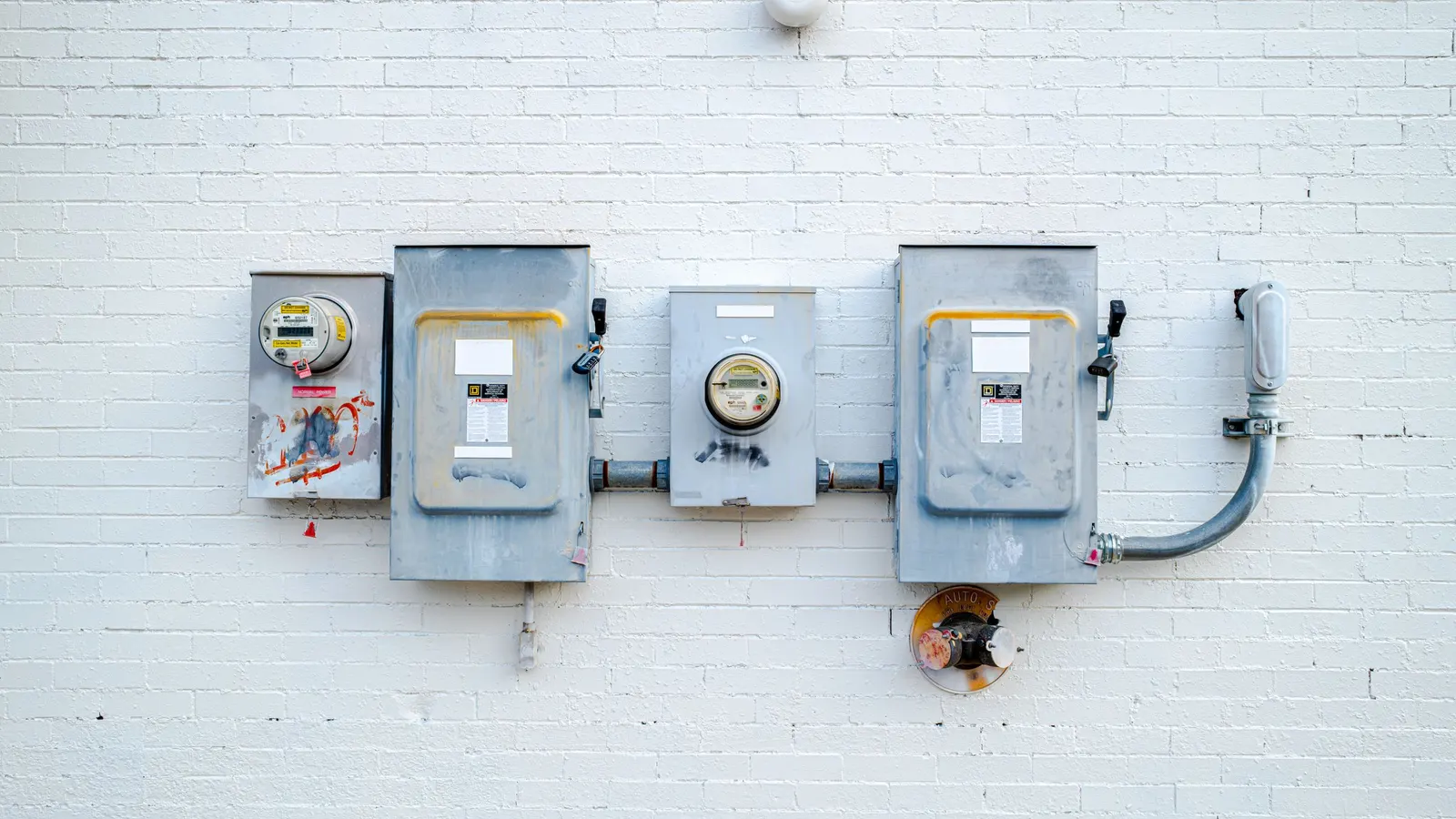
Your utility installs a meter that tracks electricity in both directions. During a billing period, it records how much you import from the grid and how much you export. Under classic net metering, the utility subtracts exports from imports. You pay for the net amount. If you export more than you import, the extra becomes a credit for future bills.
Fixed charges usually still apply. Most utilities charge a monthly customer or connection fee regardless of usage, so solar rarely brings a bill to zero. Some also add specific charges for solar customers. Look for these on your bill and in the tariff.

Billing periods and true-ups
Timing matters. Some utilities net imports and exports within each month. Others carry credits forward and settle them once a year at a true-up. At the true-up, any leftover credits may roll over, expire or be paid out, often at a much lower rate than retail. As a result, a system that produces far more than you use over a year may earn little for the surplus.
Seasonal patterns interact with this. Summer surpluses can offset winter shortfalls under annual netting. Under monthly netting, a big summer surplus may not help much in winter. Read the rules for your utility, because they affect how large a system makes sense.
Net billing: the common alternative
Many utilities have moved from classic net metering to net billing. Under net billing, energy you buy is charged at the retail rate, while energy you export is credited at a separate, usually lower, export rate. The export rate may be tied to wholesale prices, avoided costs or a value set by regulators.
Net billing changes the value of solar. Energy you use at home as it is produced still saves the full retail rate. However, energy you export earns less. Therefore, the share of solar you use on site, called self-consumption, becomes much more important.
Other export rules you may see
| Rule | How exports are valued | What it means for you |
|---|---|---|
| Full retail net metering | At or near the retail rate | Exports are as valuable as self-use |
| Net billing | At a lower export rate | Self-use and storage gain value |
| Buy-all, sell-all | All production sold at a set rate; all use bought at retail | Savings depend on the gap between rates |
| Time-varying export rates | Export value changes by hour or season | Exports in peak hours are worth more |
| Minimum bills or solar fees | Fixed charges regardless of exports | Limits how low a bill can go |
Time-of-use rates and solar
Many utilities charge different prices at different times of day. Under time-of-use rates, evening power often costs more, which is exactly when solar production drops. If your exports are credited at a time-varying rate, midday exports may earn less than evening imports cost. As a result, shifting use to sunny hours, or storing solar in a battery for the evening, can raise savings.
Simple habits help. Run dishwashers, laundry and EV charging during sunny hours when possible. Pre-cool or pre-heat the home in the afternoon. These shifts increase the share of solar you use directly.

How to read your utility’s tariff
Your utility publishes its net metering or distributed generation tariff, usually on its website or the state utility commission’s site. Look for a few key items. First, find how exports are credited: retail rate, export rate or something else. Second, find the netting period: monthly, annual or another interval. Third, find what happens to leftover credits at true-up. Fourth, look for fixed charges, minimum bills and any solar-specific fees.
Also check for system size limits and grandfathering rules. Many utilities limit system size to a share of your historical usage. Some let existing customers keep older rules for a set number of years. If you plan to add panels or a battery later, ask whether that would move you to a newer tariff. DSIRE lists state net metering policies and is a helpful starting point.
How net metering changes solar savings
Under full retail net metering, solar savings are simple to estimate: production times your retail rate, minus fixed charges that do not change. Under net billing, you need two numbers. Multiply the solar you use at home by the retail rate, and the solar you export by the export rate. Then add them together.
The difference can be large. A home that exports half its solar production saves much less under net billing than under full retail net metering. Our Solar Payback Calculator includes an export value setting, so you can see how your utility’s rule changes payback. For the bigger picture, read our guide to whether solar panels are worth it.
Net metering and batteries
Batteries and export rules are closely linked. Under full retail net metering, a battery adds little bill savings, because exports already earn full value. Backup during outages becomes the main reason to buy one. Under net billing or low export rates, storing midday solar for evening use can save noticeably more, because you avoid buying expensive evening power.
Some utilities also pay battery owners to support the grid at peak times. Combined with low export credits, that can make storage worth considering. Our solar battery guide explains how to judge it.
A worked example: two export rules, one home
Consider one hypothetical home under two different rules. The panels produce a fixed amount over a year. Half of that solar is used in the home as it is produced. The other half is exported at midday, when no one is home. In the evening, the household buys power from the grid.
Under full retail credit, every exported kilowatt-hour offsets an evening kilowatt-hour at the same price. As a result, all of the solar is worth the retail rate. Under net billing, the solar used on site still saves the retail rate, but the exported half earns a lower export credit. Therefore, the same panels save noticeably less. Shifting laundry and dishwashing to midday, or storing solar in a battery, would move some exports back into self-use, recovering part of the difference.
When the rules change
Export rules are not permanent. Utilities and regulators revisit them, and many states have changed their approach in recent years. Often, existing solar customers keep their original terms for a set number of years. This is called grandfathering. New customers may sign up under newer, less generous rules.
That has practical consequences. If you are shopping for solar, know which rules apply on the date your system is approved, not the date you sign. If you already have solar, find out how long your current terms last and what happens afterward. Moreover, ask whether adding panels or a battery could move your account to the newer tariff before you make changes.
Community solar and bill credits
Not every home can install solar. Renters, condo owners and homes with shaded roofs often cannot. Community solar programs offer another path in some states. You subscribe to part of a shared solar farm, and your utility applies credits to your bill based on its output. The credit method depends on state rules and the program design.
If community solar is available to you, compare the subscription price with the value of the credits. Read the contract term and cancellation rules. Also check whether the program guarantees savings compared with your normal rate. DSIRE and your state energy office can tell you whether programs operate in your area.
Sizing solar around net metering
Export rules should shape system size. Under generous annual net metering, sizing to cover most of your yearly use can make sense. Under net billing, oversizing usually adds exports that earn little. Therefore, it may make sense to size closer to your daytime use, or to add storage. In addition, check your utility’s size limits, because some cap systems based on past usage.
Future plans matter too. An electric vehicle or heat pump can raise your use. If you expect that, a slightly larger system may still be used on site later. Use the Solar Panel Calculator to estimate production for different sizes.
Interconnection: getting approved
Before you can export power, your utility must approve the system. This process is called interconnection. Your installer usually submits the application, which includes system details and the equipment list. After installation and inspection, the utility may replace or reprogram your meter. Then it issues permission to operate.
Do not turn on a grid-tied system before you have permission, unless your utility allows it. Doing so can violate the interconnection agreement. Ask your installer how long approval usually takes in your area.
Net metering checklist
- Find your utility’s net metering or distributed generation tariff.
- Check how exports are credited: retail, export rate or other.
- Note the netting period and true-up rules.
- List fixed charges, minimum bills and solar fees.
- Check system size limits and grandfathering rules.
- Estimate how much of your solar you will use at home.
- Consider time-of-use habits or a battery under net billing.
- Confirm interconnection steps and timing with your installer.
Keep planning
Run your utility’s export rules through the Solar Payback Calculator, then read our Home Solar hub. To see when you use power, a home energy monitor shows hourly usage, which helps you shift loads to sunny hours. Our energy monitor guide explains the options.
Frequently asked questions about net metering
How does net metering work?
When your solar panels produce more than your home uses, the extra flows to the grid and your utility credits it. When you use more than you produce, you draw from the grid and the credits offset what you buy. Your meter tracks both directions.
What is the difference between net metering and net billing?
Under full retail net metering, exported energy is credited at or near the retail rate you pay. Under net billing, exported energy is credited at a lower export rate, while energy you buy is still charged at the retail rate.
Do I get paid for extra solar power?
It depends on your utility. Many credit extra power on your bill rather than paying cash, and unused credits may roll forward, expire or be paid out at a lower rate at an annual true-up. Check your tariff.
What happens to unused net metering credits?
Rules vary. Some utilities carry credits forward month to month and settle them at an annual true-up, sometimes at a wholesale or avoided-cost rate. Others reset credits periodically. Your utility’s net metering tariff explains the process.
Does net metering affect whether I need a battery?
Yes. Under full retail net metering, a battery adds little bill savings because exports already earn full value. Under net billing or low export rates, storing solar for evening use can save more.
Sources and how we researched this guide
This guide is research-based. We summarize how net metering and export credit rules work using SEIA’s net metering overview and Department of Energy guidance; rules are set by state regulators and individual utilities, so your utility’s current tariff is the final word. Found something out of date? Tell us and we will check it against the source.
- SEIA: Net metering
- U.S. Department of Energy: Homeowner’s guide to going solar
- DSIRE: Database of state incentives and policies
- EIA: Average residential electricity price by state
Keep planning
- Solar Panel Maintenance: What Panels Need and What They Do Not
- Off-Grid Solar System: How to Size Panels, Batteries and Backup
- Solar Tax Credit in 2026: What Ended, What Remains and What to Do Now
- Are Solar Panels Worth It? How to Decide With Your Own Numbers
Go deeper: Home Solar hub · Solar Panel Calculator · Solar Payback Calculator
