
How Long Does Food Last in a Fridge Without Power? Safe Timelines
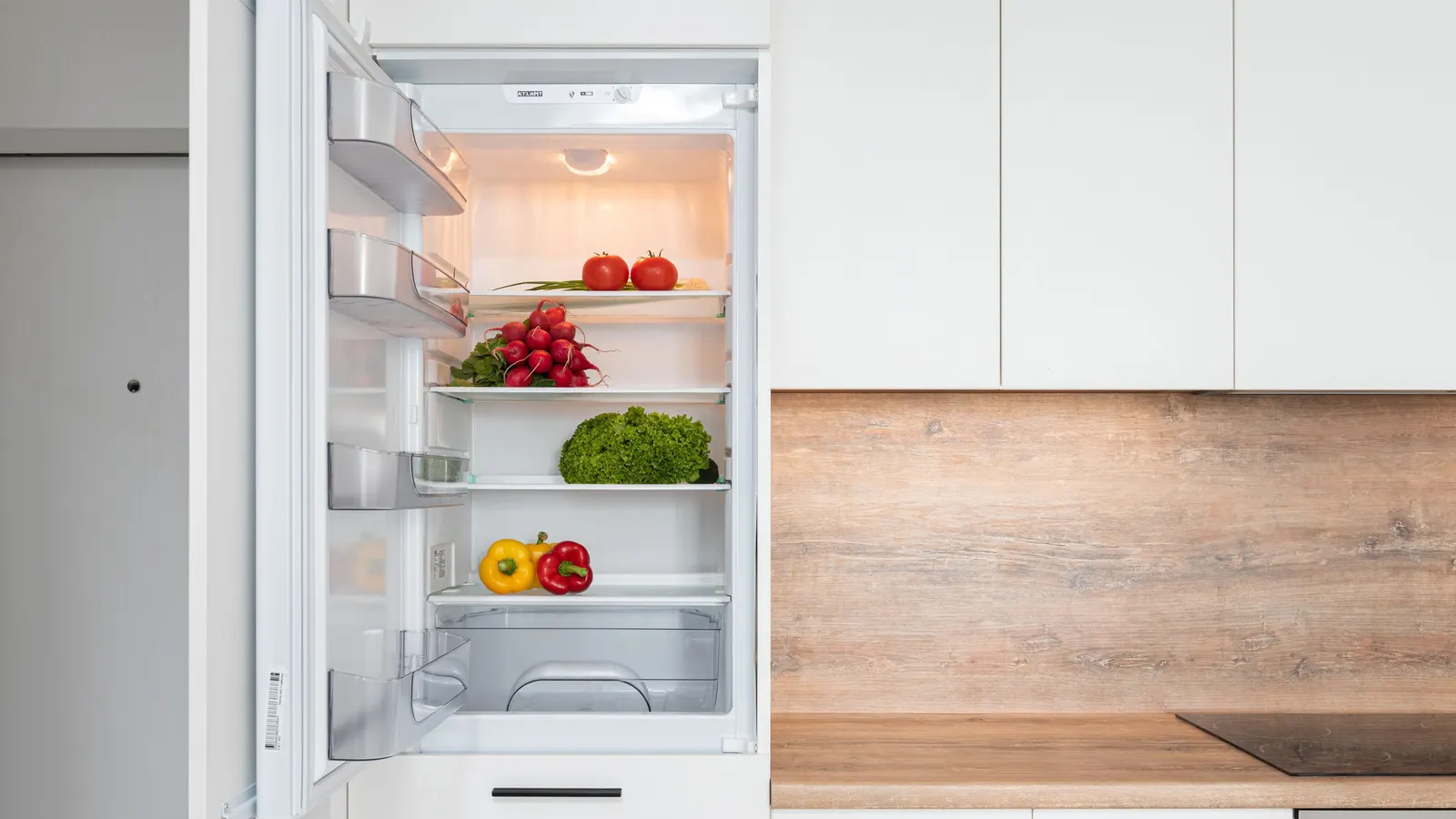
When the power goes out, one of the first worries is the food in the fridge without power. Can you keep it, or must it go? The answer depends on time, temperature and whether the doors stay closed. This guide gives you the official timelines, explains the 40 degree rule, and shows what to keep, what to toss and how to protect food in a freezer without power. You can also use our free Power Outage Food Safety Timer.
Last reviewed and updated: October 2, 2026. Written by Jeremy Jarvis.
Key takeaways
- A closed refrigerator keeps food cold for about 4 hours without power.
- A full freezer holds its temperature for about 48 hours, and a half-full freezer about 24 hours, if the door stays closed.
- Throw out perishable refrigerated food that has been warmer than 40 degrees F for two hours or more.
- Appliance thermometers, a full freezer, closed doors and backup power for the fridge make outages far less wasteful.
This is food safety guidance from official sources, not a guess. When in doubt, throw it out, and never taste food to decide whether it is safe.
How long food lasts in a fridge without power
The key numbers are simple. According to the American Red Cross, an unopened refrigerator will keep foods cold for about 4 hours. A full freezer will keep its temperature for about 48 hours, or 24 hours if it is half full, as long as the door remains closed. Ready.gov repeats the 48 hour figure for a full freezer.
Those times assume the doors stay shut. Each opening lets cold air escape, so the clock runs faster. Therefore, the single most important thing you can do is keep the fridge and freezer closed.
The 40 degree rule for a fridge without power
Temperature matters more than time. Bacteria grow quickly between 40 and 140 degrees F, a range food safety experts call the danger zone. The Red Cross advises throwing out food that has been warmer than 40 degrees F. Ready.gov likewise advises throwing out food if the temperature is 40 degrees or higher.
Free download: The Home Outage Readiness Planner
Our 12-page printable planner: a home power profile, essential loads worksheet, backup power chooser, safety rules, emergency kit and food safety log.
That is why thermometers matter. An appliance thermometer in the fridge and another in the freezer show you the actual temperature, so you do not have to guess. Place them before an outage, and check them as soon as the power returns.
| Appliance | How long it holds (doors closed) | What to check |
|---|---|---|
| Refrigerator | About 4 hours | Fridge thermometer at 40 degrees F or below |
| Full freezer | About 48 hours | Ice crystals or 40 degrees F or below |
| Half-full freezer | About 24 hours | Ice crystals or 40 degrees F or below |
Before an outage: set yourself up
Preparation buys you time. First, put appliance thermometers in the fridge and freezer. Then keep the freezer as full as practical, because a full freezer holds cold longer. If you have empty space, fill it with containers of water, which freeze and act as ice packs.
Before a forecast storm, turn the fridge and freezer to their coldest safe settings, and freeze ice packs or water bottles. In addition, group foods together in the freezer, which helps them stay cold. Keep a cooler and some ice packs ready to move perishables if the outage drags on.
Managing a fridge without power during the outage
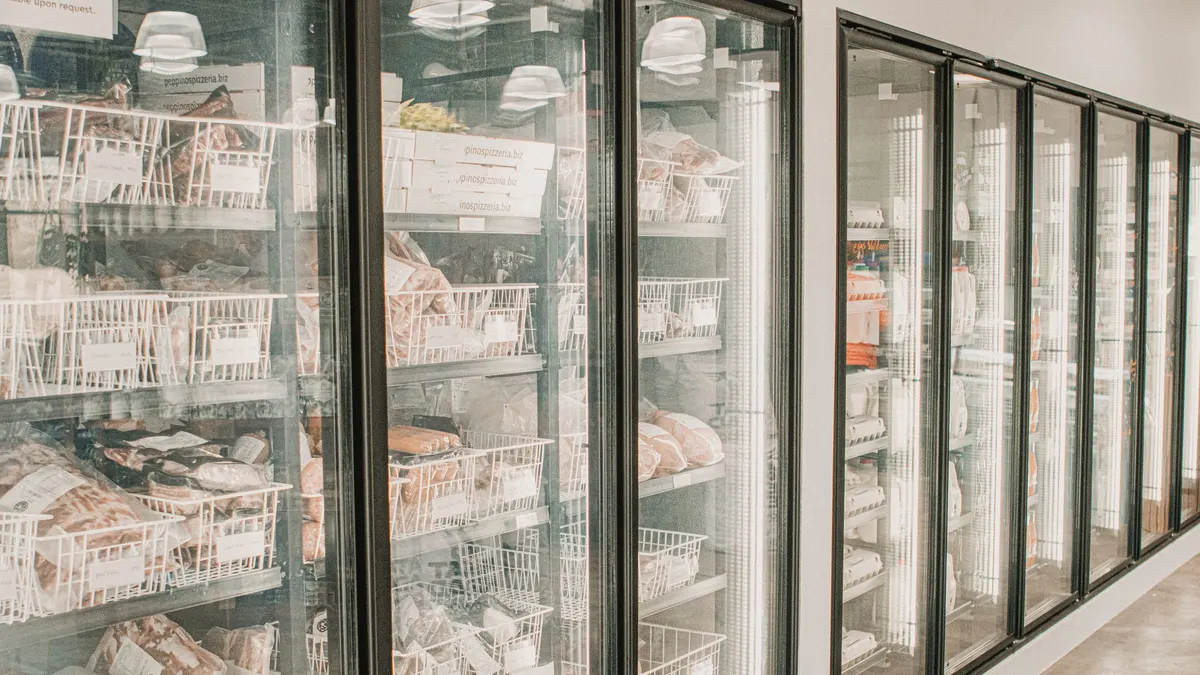
Keep the doors closed. Plan meals around shelf-stable food first, and open the fridge only when necessary and briefly. If you need something, grab several items at once. Meanwhile, keep track of how long the power has been out. Our food safety timer helps you keep count.
If the outage will last longer than 4 hours, consider moving the most perishable foods, such as milk, meat and leftovers, into a cooler with ice. Keep the cooler closed and out of the sun. Ready.gov’s power outage guidance also suggests using coolers with ice when needed.
The freezer without power
A freezer without power is more forgiving than a fridge. A full freezer can hold its temperature for about 48 hours if the door stays closed. As food thaws, check for ice crystals. Food that still has ice crystals or reads 40 degrees F or below is generally safe to refreeze or cook.
Chest freezers tend to hold cold well, because cold air does not spill out when the lid opens. Even so, keep the lid closed. If you have a lot of frozen food and a long outage, dry ice or block ice can extend the time, as long as you handle dry ice with gloves and good ventilation.
Extra tips for a freezer without power
A freezer without power can protect a lot of food if you treat it well. Start by leaving it closed, even when you are curious. Then, if the outage stretches toward a day, consider adding ice. Bags of ice placed on top of frozen food help, because cold air sinks. Dry ice keeps food frozen even longer, but it needs careful handling: wear gloves, keep the area ventilated, and never seal it in an airtight container.
Next, think about grouping. Food packed tightly together stays cold longer than scattered items, so if you must open the freezer, push packages together. If you have two freezers, consider moving food from a half-empty unit into a fuller one early in the outage. Finally, label anything that partly thawed and was refrozen, so you can use it soon and cook it thoroughly.
Checking your fridge after power returns
When power comes back, check temperatures before eating anything. Look at the fridge thermometer first. If it reads 40 degrees F or below, refrigerated food is generally safe. If it reads higher, think about how long the food was above 40 degrees F. Perishable food that was above 40 degrees F for two hours or more should be thrown out.
Next, check the freezer. Food with ice crystals or at 40 degrees F or below can be refrozen. Food that thawed and warmed above that should be discarded if it is perishable. Then clean any spills, and let the appliances return to normal temperature before restocking.
What to keep and what to throw out
Perishable foods are the main concern. Throw out meat, poultry, seafood, milk, soft cheeses, cooked leftovers, cut fruits and eggs if they were above 40 degrees F for two hours or more. These foods support bacterial growth, and you cannot tell by smell or look whether they are safe.
Some foods hold up better. Many hard cheeses, butter, condiments, whole uncut fruits and vegetables and bread are less risky, although quality may suffer. FoodSafety.gov publishes detailed charts by food type, so check them when you are unsure. As a rule, though, when in doubt, throw it out.
Refreezing thawed food
Refreezing is about safety first and quality second. Food that still has ice crystals or stayed at 40 degrees F or below can generally be refrozen. However, texture may change, especially for fruits, vegetables and some baked goods. Meat and poultry that refroze safely are often best cooked soon.
Do not refreeze food that warmed above 40 degrees F for long. Similarly, do not rely on smell. Some harmful bacteria do not change how food smells or looks.
Medications that need refrigeration
Some medications, such as insulin, need refrigeration. During an outage, keep them in a cooler with ice packs, without letting them freeze unless the label allows it. Check the label and talk with your pharmacist or doctor about how long a medication stays effective at room temperature. If in doubt, ask before using it.
Keeping a fridge without power colder for longer
Several simple steps add hours. Keep doors closed. Keep the freezer full. Add ice or frozen water bottles before storms. Cover the fridge and freezer with blankets only if the manufacturer allows it and ventilation is not blocked. Most importantly, plan backup power for the refrigerator if you lose power often.
A modern refrigerator uses relatively little energy, so it is one of the easiest appliances to back up. A large portable power station can often run one for about a day. Our refrigerator wattage guide and power station guide explain how to size backup power.
Special situations
Some situations need extra thought. Baby formula that has been prepared, breast milk and foods for people with weakened immune systems deserve extra caution, because those groups are more vulnerable to foodborne illness. When the fridge has been warm for a while, discard these items rather than taking a chance, and ask your pediatrician or doctor if you are unsure.
Restaurants and stores follow similar rules, so be cautious about takeout during widespread outages too. Meanwhile, if your home relies on a well, remember that water for cleaning and cooking may also be limited. Stored water helps with both. Our power outage emergency kit guide explains how much to store.
Common myths about food in an outage
Several myths lead to bad decisions. The first is that food is fine if it smells normal. In fact, many harmful bacteria do not change smell, taste or appearance. The second myth is that cooking will make warmed food safe. Some bacteria produce toxins that cooking does not destroy. Therefore, if perishable food was warm too long, cooking it does not fix the problem.
Another myth is that putting food outside in cold weather is always safe. Outdoor temperatures swing during the day, and sunlight can warm containers even on cold days. Animals can also get into food. A cooler with ice, or the closed freezer, is a better choice. Finally, some people believe opening the fridge briefly does no harm. Each opening shortens the safe window, so open it only when necessary.
Planning ahead to save money and food
Food lost to outages adds up, especially for families who stock a freezer. A little planning reduces that loss. Keep an inventory of what is in the freezer, so you know what is at risk. Stock up modestly before storm season rather than overfilling the fridge with perishables. In addition, keep a supply of shelf-stable meals you enjoy, so you are not tempted to eat risky food.
If outages are frequent where you live, backup power for the refrigerator often pays for itself in saved food. A portable power station can keep a modern fridge running through a typical outage, and a generator can cover longer ones. Our Home Power Station Selector helps you size a unit for your fridge and freezer.
Checklist for food in a fridge without power
- Place appliance thermometers in the fridge and freezer now.
- Keep the freezer full, using water containers to fill space.
- Keep doors closed during the outage.
- Track how long the power has been out.
- Move key perishables to a cooler with ice after about 4 hours.
- Check temperatures before eating anything after the outage.
- Throw out perishables above 40 degrees F for two hours or more.
- Refreeze only food with ice crystals or at 40 degrees F or below.
- Plan backup power for the refrigerator if outages are common.
Supplies that help
A few inexpensive items make outages easier. Consider refrigerator and freezer thermometers, reusable ice packs and a good cooler. For your full outage plan, see our guide to what to do during a power outage and the Outage Prep hub.
Frequently asked questions about food in a fridge without power
How long does food last in a fridge without power?
An unopened refrigerator keeps food cold for about 4 hours. After that, check temperatures, and throw out perishable food such as meat, dairy, eggs and leftovers that has been above 40 degrees F for two hours or more.
How long will a freezer stay frozen without power?
A full freezer keeps its temperature for about 48 hours, and a half-full freezer for about 24 hours, if the door stays closed.
Can I refreeze food after a power outage?
Food that still contains ice crystals or has stayed at 40 degrees F or below can generally be refrozen, though texture may suffer. Food that warmed above that should follow USDA discard guidance.
What food should I throw out after a power outage?
Throw out perishable refrigerated foods that were above 40 degrees F for two hours or more, including meat, poultry, seafood, milk, soft cheeses, eggs and leftovers. When in doubt, throw it out, and never taste food to check it.
How can I keep my fridge cold longer during an outage?
Keep the doors closed, keep the freezer full, add ice or frozen water bottles before a forecast storm, and use appliance thermometers. A portable power station or generator can also run the refrigerator.
Sources and how we researched this guide
This guide is research-based and follows USDA food safety guidance as published by FoodSafety.gov, Ready.gov and the American Red Cross. We did not test refrigerators. When in doubt, throw it out, and never taste food to decide whether it is safe. Found something out of date? Tell us and we will check it against the source.
- FoodSafety.gov: Food safety during a power outage
- Ready.gov: Power outages
- American Red Cross: Power outage safety
- CDC: What to do during a power outage
Keep planning
- What to Do During a Power Outage: A Calm, Step-by-Step Guide
- Power Outage Emergency Kit: What to Pack and How to Keep It Ready
- CPAP Battery Backup: How to Keep Your CPAP Running in a Power Outage
- Sump Pump Battery Backup: Options, Sizing and Installation Basics
Go deeper: Outage Prep hub · Power Outage Checklist · Power Outage Food Safety Timer
