
Power Outage Emergency Kit: What to Pack and How to Keep It Ready
A power outage emergency kit turns a dark, uncertain night into a manageable one. When the lights go out, you need light, a way to stay informed, safe water and food, and a plan to keep everyone comfortable. Because outages often arrive with storms, you may also be cut off from stores for days. This guide lists the emergency supplies for power outage situations that matter most, explains why, and shows how to store and refresh them.
Last reviewed and updated: October 2, 2026. Written by Jeremy Jarvis.
Key takeaways
- A power outage emergency kit focuses on light, power, water, food, first aid and safety you can reach in the dark.
- Ready.gov recommends one gallon of water per person per day for several days and a several-day supply of non-perishable food.
- Battery-backed carbon monoxide alarms, flashlights instead of candles, and appliance thermometers are outage essentials.
- Store the kit where everyone can find it, and refresh batteries, water, food and medications on a schedule.
We follow Ready.gov’s emergency kit guidance and the American Red Cross’s power outage advice, adapted for outages specifically. You can also print our free Power Outage Checklist and tick items off as you build your kit.
Why build a power outage emergency kit?
Most outages are short, but some last days. Ready.gov notes that after an emergency, you may need to survive on your own for several days. A kit means you are not searching for flashlights or rushing to crowded stores while the weather is dangerous. It also helps you avoid risky improvisations, such as using candles near curtains or running grills indoors.
In addition, a kit gives everyone in the home a role. Children can know where the flashlights live. Adults can know where the first aid supplies and documents are. That shared knowledge reduces stress when the power fails.
Lighting for your power outage emergency kit
Light comes first. Battery-powered LED flashlights are bright, efficient and safe. Headlamps keep your hands free for cooking, caring for children or fixing things. Lanterns light a whole room, which helps with meals and games. Keep one light in each bedroom and one in the kitchen, plus the kit’s main supply.
Avoid candles. They are a leading cause of home fires during outages. If you must use them, never leave them unattended and keep them away from anything flammable. Better still, choose rechargeable lights and keep them charged, along with spare batteries.
Power and communication in an outage kit
Staying informed matters. A battery-powered or hand-crank radio, ideally a NOAA weather radio with alerts, keeps you updated when internet and cell service falter. Ready.gov lists a battery-powered or hand crank radio and a NOAA Weather Radio among basic kit items.
Phones are your lifeline, so plan to keep them charged. Store several charged power banks and rotate them every few months. For longer outages, a portable power station can recharge phones, run a router and power lights for days. Our portable power station guide explains how to size one. If you charge in a car, run it only outdoors in open air, never in a garage.
Water for your emergency kit
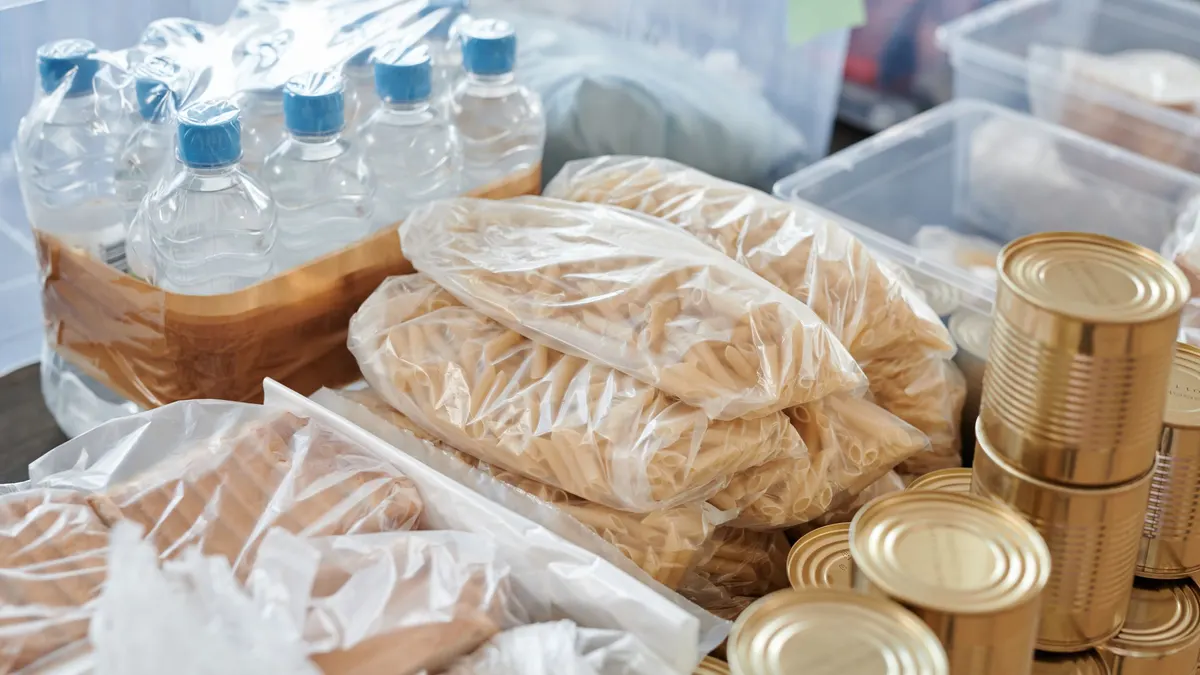
Water is essential, and outages can affect it. Homes on private wells lose water when the pump loses power. In some areas, water systems may also issue advisories during extended outages. Ready.gov recommends one gallon per person per day for several days, for drinking and sanitation.
Store water in sealed, food-grade containers, and replace stored water on a schedule or follow the package’s date. Add more for pets, hot weather, nursing mothers or anyone who is ill. In addition, filling a bathtub before a forecast storm gives you water for flushing toilets if your supply is interrupted.
Food that needs no cooking
Ready.gov recommends at least a several-day supply of non-perishable food. Choose foods your household actually eats: canned goods, nut butters, crackers, cereal, dried fruit and shelf-stable milk. Avoid salty foods that increase thirst. Keep a manual can opener in the kit, because electric openers will not work.
Plan for food safety too. Keep appliance thermometers in the fridge and freezer before an outage. During an outage, eat perishable food first, and keep fridge and freezer doors closed. Our guide to food in the fridge without power explains how long food stays safe.
First aid and medical needs
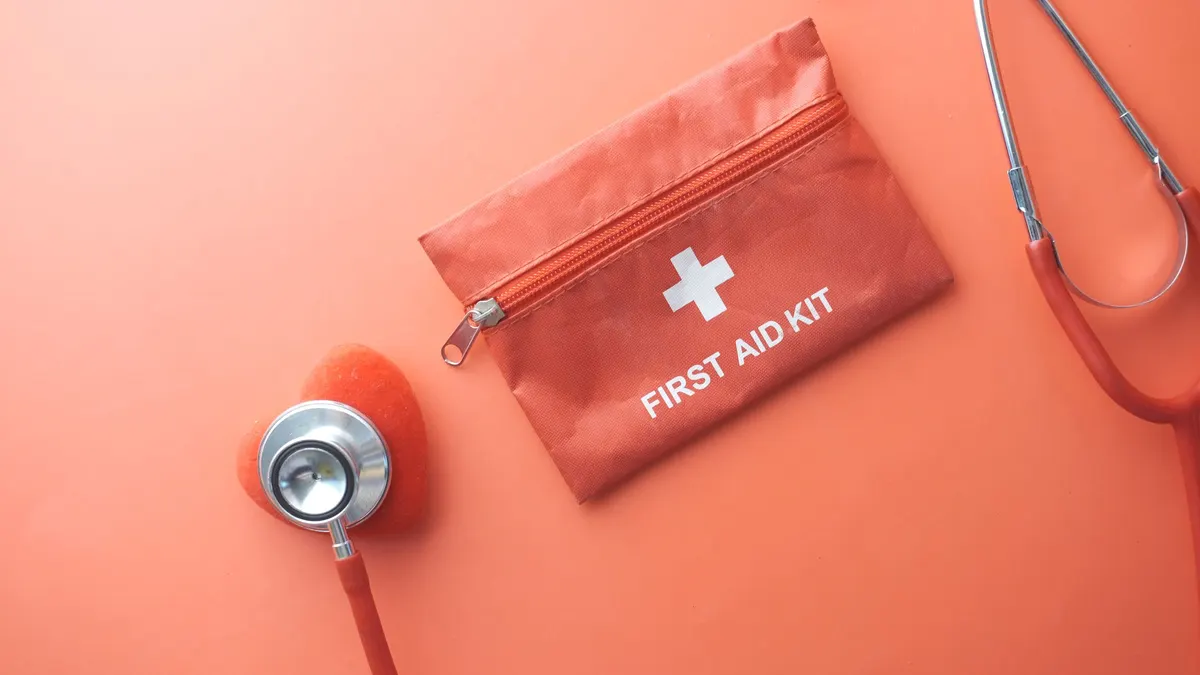
A first aid kit belongs in every emergency kit. Include bandages, antiseptic, pain relievers, any prescription medications and a few days of extra supply where possible. Keep copies of prescriptions and a list of medical conditions and allergies.
If anyone relies on powered medical equipment, plan backup power for it specifically. Talk to the equipment supplier and your doctor. Our CPAP battery backup guide covers one common case. Medications that need refrigeration need a plan too, such as a cooler with ice packs.
Warmth and cooling
Temperature can become dangerous in long outages. For winter, include warm layers, hats, gloves, blankets and sleeping bags. Close off unused rooms to keep heat in the rooms you use. Never use a gas oven, grill or outdoor heater to heat your home.
For summer, include battery or USB fans, cooling towels and extra water. Close blinds during the day to keep heat out. Know where local cooling or warming centers are, in case conditions become unsafe at home.
Safety essentials for a power outage kit
Carbon monoxide is a major outage risk, because people turn to generators, grills and camp stoves. Install battery-powered or battery-backup carbon monoxide alarms on every level of your home, and test them before storm season. Ready.gov advises that generators, camp stoves and charcoal grills always be used outdoors and at least 20 feet away from windows.
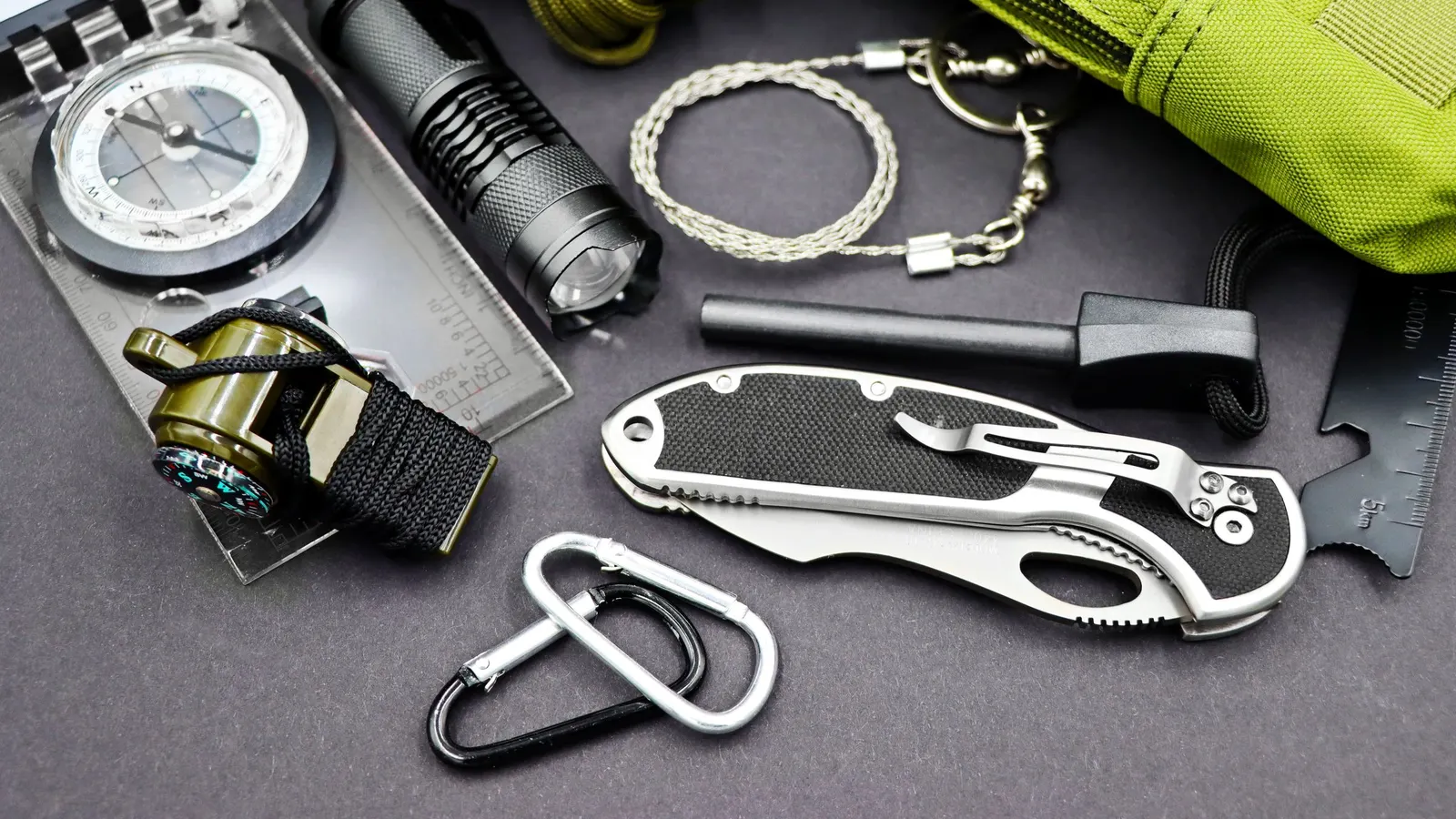
Other safety items include a fire extinguisher, a whistle to signal for help, work gloves, a multi-tool and duct tape. Ready.gov lists a whistle and a manual can opener among basic kit items. Keep a wrench or pliers handy in case you are told to shut off utilities.
Documents, cash and contacts
When card readers and ATMs are down, cash helps. Keep a modest amount in small bills. Store copies of important documents, such as identification, insurance policies and medical information, in a waterproof bag. Write down key phone numbers on paper, because a dead phone takes your contacts with it.
Pets
Pets need their own kit: food, water, medications, a leash or carrier and copies of vaccination records. Plan for their comfort in heat and cold too. Similarly, plan where pets will stay if you must leave home.
Where to store your power outage emergency kit
Store the kit where everyone can reach it in the dark, such as a hall closet near the main living area. Use sturdy, easy-to-carry containers, such as plastic bins or a duffel bag. Keep flashlights at the top. If you have a second floor, keep a small set of lights and water upstairs as well.
Consider a smaller car kit too. Outages can catch you on the road or force you to leave home. A car kit with water, snacks, a flashlight, a phone charger, a blanket and first aid supplies covers those moments.
Building the kit on a budget
A complete kit does not need to be expensive. Start with what you already own. Most homes have flashlights, blankets, a first aid kit and canned food somewhere. Gather them in one place first. Then make a list of gaps and fill them over a few months, perhaps one or two items each paycheck.
Prioritize by risk. If outages in your area are mostly short, focus on light, phone power and food safety. If storms bring multi-day outages, add water, a radio and a power station. Households with medical needs should put backup power for those devices at the top of the list. Our Home Power Plan Builder helps set priorities.
Tailoring the kit to your home
Every home is different, so adapt your power outage emergency kit. Homes on private wells need more stored water, because the pump stops with the power. Homes with sump pumps need a backup plan for the pump, such as a battery backup. Our sump pump battery backup guide explains the options.
Families with infants need formula, diapers and a way to warm bottles safely. Older adults may need extra medications, mobility aids and a plan for stairs in the dark. Remote workers may want a power station that runs a router and laptop. Meanwhile, people in hurricane regions should plan for longer outages and possible evacuation.
Teaching everyone how to use the kit
A kit only helps if people know how to use it. Walk through it with your household once or twice a year. Show where it lives, how the radio works and which flashlights to grab first. Practice turning on a lantern in the dark. Explain why generators and grills stay outside.
Children especially benefit from a calm practice run. A short family drill, with a pretend outage and a flashlight scavenger hunt, makes the real thing less frightening. Finally, write a one-page plan with contacts and meeting points and keep it in the kit.
Keeping the kit fresh
A kit only works if it is ready. Twice a year, perhaps when clocks change, check the kit. Replace expired food and water, test flashlights and radios, recharge power banks and power stations, and update medications and documents. In addition, test carbon monoxide and smoke alarms. Then note the date on a card inside the kit.
Matching your kit to the length of an outage
Outages come in different lengths, and your emergency supplies for power outage events should scale with them. A few hours needs little more than light and a charged phone. Over a full day, food safety and comfort join the list. For multi-day outages, you also need water, a backup power source and a plan for heat or cooling. The table below shows how to layer your kit.
| Outage length | Core needs | Add to your kit |
|---|---|---|
| A few hours | Light, phone power, staying informed | Flashlights, headlamps, charged power banks, radio |
| About a day | Food safety, comfort, medical needs | Appliance thermometers, no-cook food, medications, fans or blankets |
| Several days | Water, backup power, warmth or cooling, sanitation | Stored water, power station or generator plan, warm layers, extra batteries |
| A week or more | Resupply, shelter options, sustained power | Fuel plan, solar recharging, cash, evacuation bag, contact list |
Start with the first row and add layers as your budget allows. That way, your kit is useful from day one.
Power outage emergency kit checklist
- Flashlights, headlamps and lanterns, with spare batteries.
- Battery or hand-crank radio, ideally with NOAA alerts.
- Charged power banks and, for longer outages, a power station.
- Water: one gallon per person per day for several days.
- Several days of non-perishable food and a manual can opener.
- First aid kit, medications and medical device power plan.
- Appliance thermometers for the fridge and freezer.
- Warm layers, blankets, fans and cooling supplies.
- Battery-backed carbon monoxide alarms and a fire extinguisher.
- Cash, document copies, written contacts and pet supplies.
Where to find kit supplies
You can assemble a kit from items you already own, then fill gaps. Compare current hand-crank NOAA weather radios, LED lanterns and high-capacity power banks. Our guide to what to do during a power outage and the Outage Prep hub cover the rest of your plan.
Frequently asked questions about power outage emergency kits
What should be in a power outage kit?
Flashlights and spare batteries, a battery or hand crank radio, charged power banks, water, non-perishable food, a manual can opener, a first aid kit, medications, appliance thermometers, warm layers, copies of important documents and some cash.
How much water should I store for a power outage?
Ready.gov recommends one gallon per person per day for several days, for drinking and sanitation. Store more for pets, hot weather or if your home relies on a well pump that needs electricity.
What lights are best for power outages?
Battery-powered LED flashlights, headlamps and lanterns are safer than candles. Headlamps keep hands free, and lanterns light a whole room. Keep spare batteries or rechargeable lights charged.
How can I keep my phone charged during an outage?
Keep power banks charged and rotate them, use a portable power station for longer outages, or charge in a car outdoors with the engine running only in open air. Lower screen brightness and close apps to stretch the battery.
Should a power outage kit include a generator?
A generator is not part of the basic kit, but it can extend your plan. If you use one, run it outdoors only, at least 20 feet from windows, and keep battery-backed carbon monoxide alarms inside the home.
Sources and how we researched this guide
This guide is research-based. Our list follows Ready.gov’s emergency kit and power outage guidance and the American Red Cross power outage recommendations, adapted for outages specifically. We did not test the products mentioned by category. Found something out of date? Tell us and we will check it against the source.
- Ready.gov: Build a kit
- Ready.gov: Power outages
- American Red Cross: Power outage safety
- EPA: Carbon monoxide’s impact on indoor air quality
Keep planning
- What to Do During a Power Outage: A Calm, Step-by-Step Guide
- How Long Does Food Last in a Fridge Without Power? Safe Timelines
- CPAP Battery Backup: How to Keep Your CPAP Running in a Power Outage
- Sump Pump Battery Backup: Options, Sizing and Installation Basics
Go deeper: Outage Prep hub · Power Outage Checklist · Power Outage Food Safety Timer
