
Sump Pump Battery Backup: Options, Sizing and Installation Basics
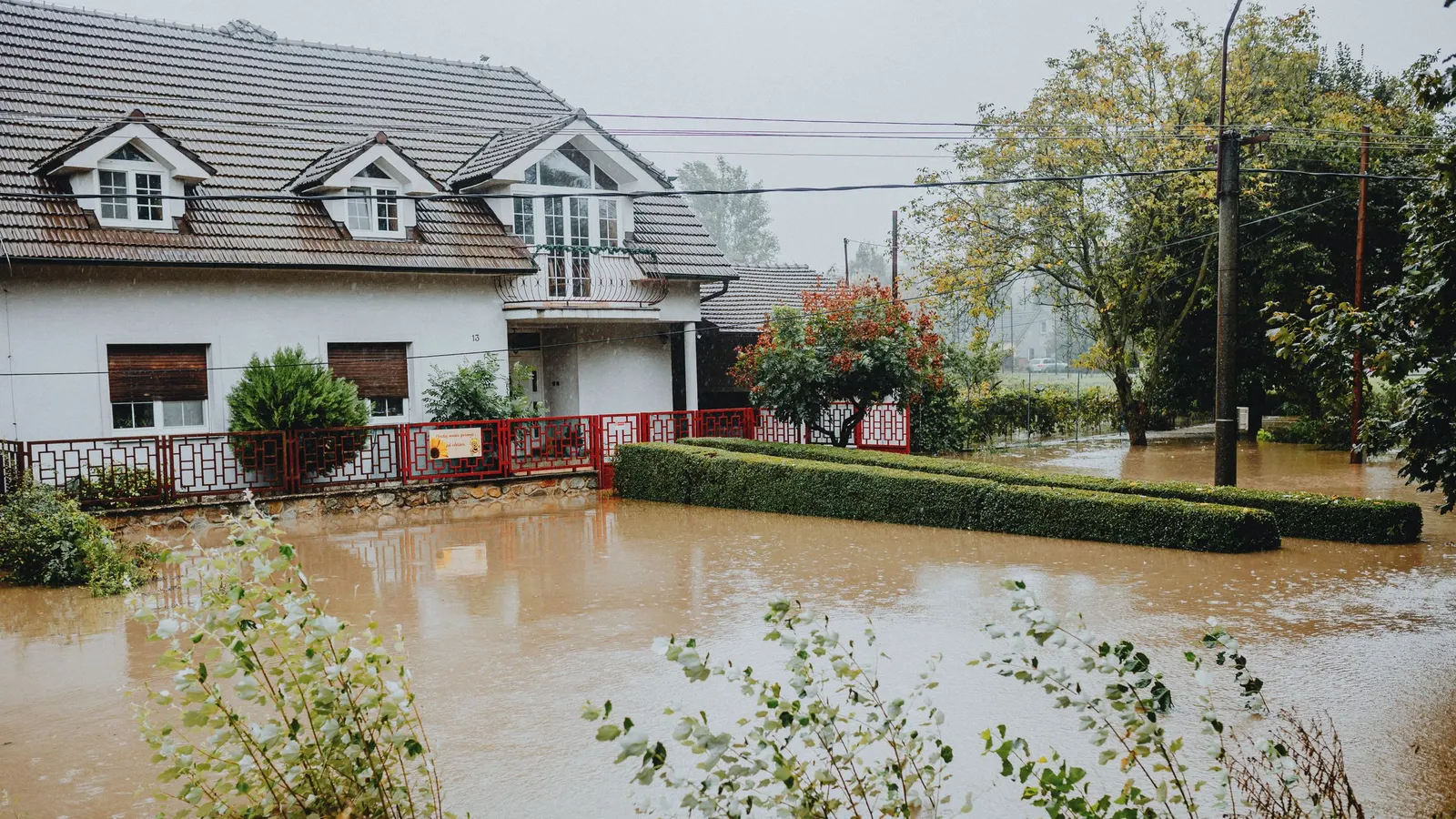
A sump pump battery backup keeps water out of your basement when the power goes out. That matters because the storms most likely to cut power are often the ones that bring the heaviest rain. Without power, a standard sump pump stops, the pit fills, and water can spread across the floor within hours. A backup sump pump system bridges that gap. This guide explains the main types, how to size the battery, installation basics and how generators and power stations fit in.
Last reviewed and updated: October 1, 2026. Written by Jeremy Jarvis.
Key takeaways
- Storms that cause outages often bring the heaviest rain, so a sump pump can stop exactly when it is needed most.
- The main options are a secondary battery-powered pump, a battery inverter that runs your main pump, or a water-powered backup pump.
- Runtime depends on battery capacity and how often the pump runs, which can change dramatically during a storm.
- Test the backup and its alarm regularly, and replace batteries on the maker’s schedule.
We focus on homes with a sump pit and an existing primary pump. If you are unsure whether your home needs one, a plumber can assess groundwater, grading and drainage.
Why a sump pump backup matters
A sump pump sits in a pit at the lowest point of a basement or crawlspace. When groundwater rises, a float switch turns the pump on, and it pushes water out of the house. During a heavy storm, the pump may run every few minutes. If the power fails, that protection disappears at the worst possible moment.
Backup also protects against pump failure. Primary pumps wear out, float switches stick and discharge lines clog. A second pump with its own float provides redundancy even when the grid is up. For finished basements, that redundancy can protect flooring, walls, furniture and stored belongings.
The three main types of sump pump backup
| Type | How it works | Strengths | Limits |
|---|---|---|---|
| Secondary battery pump | A separate 12-volt pump and float, powered by a battery | Covers outages and main pump failure | Runtime limited by battery; often lower capacity than the main pump |
| Battery inverter backup | A battery and inverter run your main AC pump in an outage | Uses the main pump’s full capacity | Does not help if the main pump itself fails |
| Water-powered backup | Municipal water pressure drives a venturi pump | No battery to drain; runs as long as pressure holds | Uses water; needs adequate pressure; code may require a backflow preventer |
Secondary battery backup sump pump
This is the most common sump pump battery backup. A second, smaller pump sits in the pit, usually mounted a little higher than the main pump. It has its own float switch. A charger keeps a battery topped up while the power is on. If the main pump fails or the power goes out, the water rises to the backup’s float, and the backup pump takes over.
The big advantage is redundancy. Because it is a separate pump with a separate float, it protects you from both outages and main pump problems. On the other hand, backup pumps often move less water than primary pumps, and they run only as long as the battery lasts. Therefore, choose a model with enough capacity for your typical storm inflow.
Battery inverter backup for the main pump
An inverter backup system uses a battery and inverter to power your existing AC pump during an outage. In effect, it is an uninterruptible power supply for the pump. Your main pump keeps its full pumping capacity, which helps in pits with heavy inflow.
The downside is that it does nothing if the main pump itself fails. Also, a large AC pump can draw more from the battery than a smaller DC backup pump, so runtime may be shorter. Some homeowners pair an inverter system with a high-alarm float to warn them when water rises.

Water-powered backup pumps
Water-powered backup pumps use municipal water pressure to create suction through a venturi. They need no battery, so they can run for as long as city water pressure holds. However, they use a significant amount of water while running, and they need adequate supply pressure to work well. Homes on private wells usually cannot use them, because the well pump itself needs power.
Plumbing codes often require a backflow preventer to protect the drinking water supply. In addition, some water utilities have rules about these devices. Ask a licensed plumber whether a water-powered pump is allowed and practical in your home.
Sizing a sump pump battery backup
Sizing has two parts: the pump and the battery. For the pump, consider how much water enters the pit during heavy rain. If your main pump runs constantly in storms, choose a backup with higher capacity, or an inverter system that runs the main pump. Manufacturers rate pumps by gallons per hour at a given lift height, so compare ratings at the vertical distance your water must travel.
For the battery, consider how long you want protection. Runtime depends on how often the pump cycles. In light inflow, a pump might run for only seconds each hour, so a charged battery can last a long time. In a severe storm, the pump may cycle constantly and drain the battery much faster. Manufacturers often list estimated pumping cycles or hours at stated conditions. Use those figures with your own storm experience to choose.
Battery types for a sump pump battery backup
Many backup systems use sealed lead-acid or AGM deep-cycle batteries. These are maintenance-free and widely available, but they need replacement every few years. Some newer systems use lithium batteries, which can be lighter and last longer, at a higher upfront cost. In every case, use the battery type the manufacturer specifies, because the charger is designed around it.
Keep the battery off the basement floor if flooding is possible, and keep it in a ventilated spot as the instructions require. Battery terminals and cables should be secure and protected.
Alarms and monitoring
An alarm is one of the most valuable parts of a backup system. Many units sound an alarm when the backup pump runs, when the battery is low or when water rises to a high level. Some connect to Wi-Fi and send phone alerts. That matters if you are away during a storm, because you can call a neighbor or plumber before water spreads.
Wi-Fi alerts depend on internet service, which may also fail in an outage. Therefore, pair app alerts with a loud local alarm. Our home battery backup guide explains how to keep internet equipment running during outages.
Backup sump pump installation basics
Many secondary battery backups are designed for homeowner installation, but the details matter. The backup pump must fit in the pit alongside the main pump. Its float must sit where it activates before water overflows, without interfering with the main float. A check valve prevents water from flowing back into the pit. Discharge plumbing must be sealed and properly routed.
If you are not comfortable with plumbing, hire a plumber. They can also check the main pump, the discharge line and the pit. Water-powered pumps and any work on the water supply should always be done to code, typically by a licensed plumber.

Sump pump backup maintenance and testing
A backup that has never been tested is a guess. Every few months, and before storm season, test both pumps. Pour water into the pit until the main pump runs. Then unplug the main pump and keep adding water until the backup float lifts and the backup pump starts. Listen for the alarm. Afterward, plug the main pump back in.
Check the battery charge indicator regularly. Clean debris from the pit and check that the discharge outlet outside is clear of ice, leaves and soil. Replace batteries on the manufacturer’s schedule, or sooner if testing shows weak runtime.
Generators and power stations for sump pumps
A portable generator can run a sump pump through an outdoor-rated extension cord or a transfer switch. It must cover the pump’s running watts and its starting surge. Our Home Generator Size Calculator includes a typical sump pump figure, but check your pump’s label. Ready.gov advises using generators outdoors and at least 20 feet away from windows.
A large portable power station can also run some sump pumps, if its surge output can start the motor. Because the pump only runs in short bursts, the energy use can be modest. However, in a heavy storm the pump may cycle often, so watch the battery. A dedicated sump pump battery backup remains the most hands-off option, because it switches on automatically even when you are asleep or away.
What to do when the backup runs during a storm
When the alarm tells you the backup sump pump is running, act early. First, check whether the power is out or the main pump has failed. If the power is out, conserve the battery by keeping the pit lid on and reducing water entering the house, for example by checking that downspouts discharge far from the foundation. Then decide whether to start a generator or connect a power station to the main pump.
If the main pump has failed while the power is on, the backup is your only defense. Call a plumber as soon as possible, and avoid running water-heavy appliances that drain into the pit. Meanwhile, move valuables off the basement floor. Ready.gov’s power outage guidance recommends planning ahead for outages that last days, so treat a long storm as a marathon, not a sprint.
Signs your backup needs attention
Several signs mean your system needs service. A battery that will not hold a charge, an alarm that sounds during tests without reason, or a pump that runs but moves little water all call for attention. Similarly, rust, corrosion on battery terminals, or a float that sticks are warning signs. If your main pump has been running more often than usual, check the discharge line and the outside outlet for blockages.
Age matters too. Pumps and batteries wear out. Note the install dates on a label near the pit, and plan replacements before they fail. A sump pump battery backup is cheap compared with the cost of a flooded basement.
Insurance and documentation
Water damage from a failed sump pump is not always covered by a standard homeowners policy. Some insurers offer a separate endorsement for water backup. Read your policy and ask your agent what applies. In addition, keep receipts and install dates for your pumps and backup system. If you ever need to file a claim, documentation that you maintained the system helps.
Combining layers of protection
The strongest setups use layers. First, a reliable primary pump with a clean pit and clear discharge. Second, an automatic backup, either battery or water-powered. Third, an alarm that warns you when the backup runs or water rises. Finally, a generator or power station as a long-outage reserve. Each layer covers a different failure.
Outside the house, good drainage helps too. Downspout extensions, graded soil and clear gutters reduce how much water reaches the foundation. Those steps cost little and reduce how hard your pumps must work during storms.
Sump pump battery backup checklist
- Note how often your main pump runs in heavy rain.
- Choose a secondary pump, inverter backup or water-powered pump.
- Match pump capacity to your storm inflow and lift height.
- Choose a battery for the runtime you want and keep it off the floor.
- Install a check valve and a loud high-water alarm.
- Test both pumps and the alarm every few months.
- Replace batteries on the manufacturer’s schedule.
- Plan a generator or power station for long outages.
Where to compare backup systems
Once you know your pit, pump and runtime needs, compare current sump pump battery backup systems, water-powered backup pumps and high-water alarms. Confirm ratings and installation requirements with each manufacturer. For more outage planning, see our Outage Prep hub.
Frequently asked questions about sump pump battery backup
How long will a sump pump battery backup last?
It depends on the battery capacity and how often the pump cycles. In light inflow, a charged backup can run for a long time because the pump runs only briefly. In heavy rain, frequent cycling drains it much faster. Manufacturers often list estimated cycles or hours at stated conditions.
Do I need a backup sump pump?
If your basement relies on a sump pump and you lose power during storms, a backup is strongly worth considering. It also protects you if the main pump fails or its float switch sticks.
Is a battery or water powered sump pump backup better?
Battery backups work anywhere but run only as long as the battery lasts. Water powered backups run without electricity as long as municipal water pressure holds, but they use water, need adequate pressure and may require a backflow preventer. Wells usually cannot power them.
Can a generator run a sump pump?
Yes. A portable generator can run a sump pump through an extension cord or a transfer switch, as long as it covers the pump’s starting surge. The generator must run outdoors, away from windows and doors.
How often should I test a sump pump backup?
Test it every few months and before storm season by pouring water into the pit until the backup float lifts, and test the alarm. Follow the manufacturer’s schedule for battery checks and replacement.
Sources and how we researched this guide
This guide is research-based. We did not install or test a sump pump system; we explain the common backup designs as manufacturers describe them and apply Ready.gov and Red Cross outage guidance. A plumber or qualified installer should confirm the right system for your pit, pump and local code. Found something out of date? Tell us and we will check it against the source.
- Ready.gov: Power outages
- American Red Cross: Power outage safety
- Ready.gov: Hurricanes
- NOAA National Hurricane Center: Prepare
Keep planning
- What to Do During a Power Outage: A Calm, Step-by-Step Guide
- How Long Does Food Last in a Fridge Without Power? Safe Timelines
- Power Outage Emergency Kit: What to Pack and How to Keep It Ready
- CPAP Battery Backup: How to Keep Your CPAP Running in a Power Outage
Go deeper: Home Batteries & Power Stations hub · Home Battery Backup Calculator · Home Power Station Selector
