
Home Battery Backup: How It Works, How to Size It and What It Costs
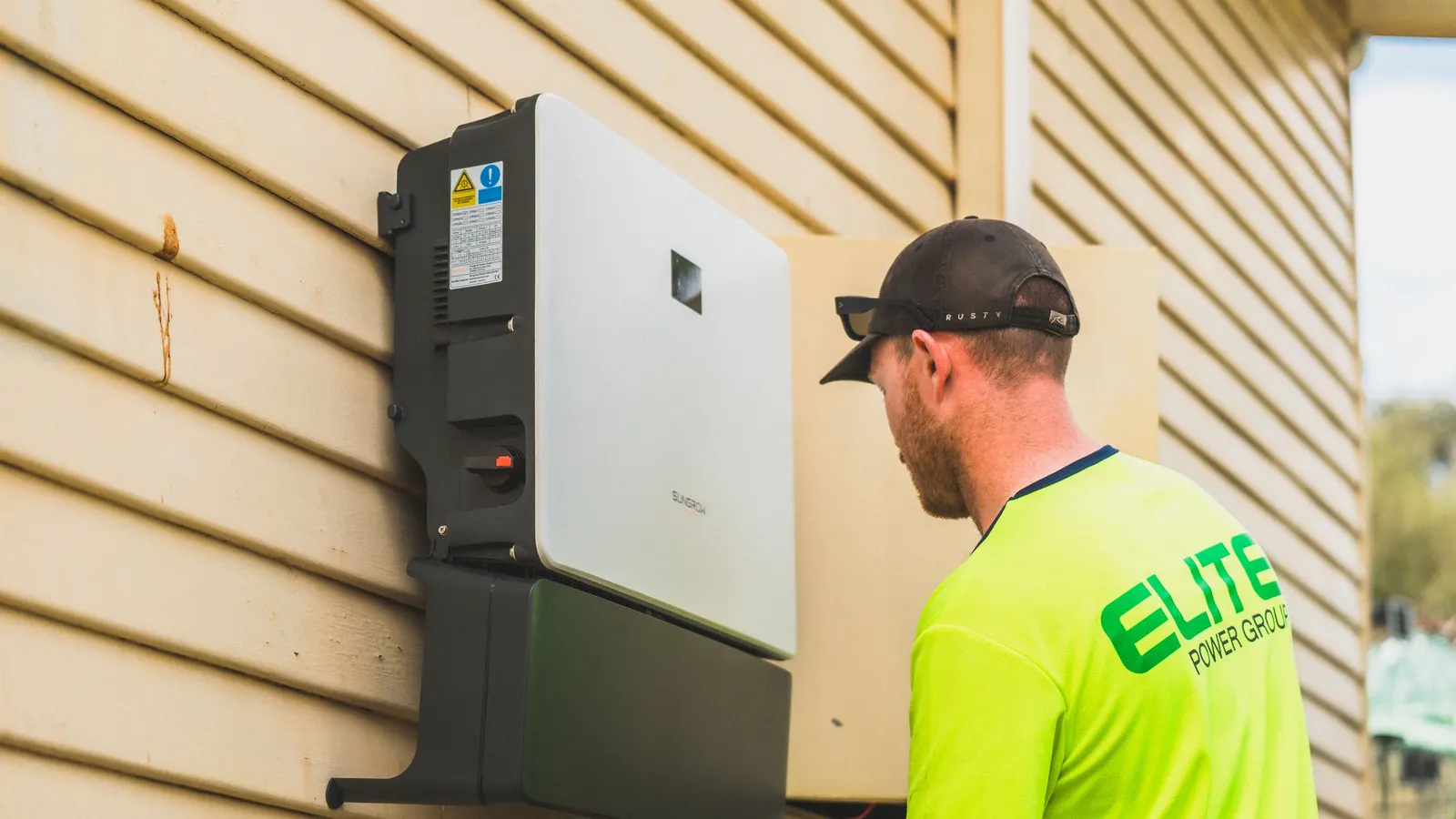
Home battery backup keeps your lights, refrigerator, internet and other essentials running when the grid goes down, with no fuel, no fumes and almost no noise. When an outage hits, a whole home battery or a battery for selected circuits takes over automatically, often so quickly that clocks never blink. This guide explains how home batteries work, how to size one from your own loads, how they pair with solar, and how they compare with generators.
Last reviewed and updated: October 1, 2026. Written by Jeremy Jarvis.
Key takeaways
- Home battery backup stores energy and switches your home or selected circuits to battery power automatically when the grid fails.
- Capacity in kilowatt-hours decides how long you can run; continuous and surge output in kilowatts decide what you can run.
- Most systems back up essential circuits; whole-home backup needs more batteries and careful load planning.
- Solar can recharge a battery during long outages, but grid-tied solar without a battery shuts off when the grid fails.
Batteries are not right for every home or every outage. They store a fixed amount of energy, so the right system depends on what you need to run and for how long. By the end, you will know which questions to ask installers and how to check their numbers with our free Home Battery Backup Calculator.
How home battery backup works
A home battery system has three main parts. First, the battery stores energy, usually in lithium-based cells. Second, an inverter converts the battery’s DC power to the AC power your home uses. Third, a backup gateway or transfer device watches the grid. When the grid fails, the gateway disconnects your home from the utility and lets the battery power your circuits.
That isolation is essential. It prevents the battery from sending power back onto the utility lines, which protects line workers. It also means your home becomes a small island of power until the grid returns. Then the gateway reconnects you to the grid and the battery recharges, either from the grid or from solar panels.
Capacity vs. output: the two numbers that matter
Every home battery has two key ratings. Capacity, in kilowatt-hours (kWh), is how much energy it stores. It decides how long you can run your loads. Output, in kilowatts (kW), is how much power the inverter can deliver at once. It decides what you can run at the same time.
Both matter. A battery with lots of capacity but limited output cannot start a large well pump or run several big appliances at once. On the other hand, a battery with high output but modest capacity can start anything but will drain quickly under heavy loads. Also check the surge rating, because motors need a brief burst of power to start.
Look for usable capacity on the spec sheet, not just nominal capacity. Usable capacity is what you can actually draw. Many manufacturers publish it directly.

Essential circuits or whole home battery?
Most home battery backup systems cover essential circuits. An installer moves the circuits you choose, such as the refrigerator, lights, internet, some outlets and a furnace blower, to a backup panel. During an outage, only those circuits run. This approach stretches battery capacity and keeps costs down.
Whole home backup is also possible. In that case, the gateway backs up the entire main panel. However, the battery’s output and capacity must handle whatever turns on. Large loads such as central air, electric ranges, dryers and electric water heaters can quickly drain or overload a single battery. Therefore, whole home designs often use several batteries, load controllers or both. Ask installers to explain exactly what happens when a large load starts during an outage.
How to size home battery backup
Sizing follows the same logic as any backup system. Start with your loads, not with a product. Follow these steps:
- List the loads you want to back up and their running watts.
- Estimate your average load during an outage, not just the peak.
- Decide how many hours you want to cover without recharging.
- Multiply average load by hours to get energy needed, then divide by inverter efficiency.
- Check that continuous output covers the loads running together, and surge output covers the largest motor.
The average load is the key number. A refrigerator cycles on and off, so its average draw is far below its nameplate rating. Meanwhile, lights, internet and phone charging add little. Many homes find their essentials average a few hundred watts to around a thousand watts. A plug-in meter or a whole home energy monitor gives real figures. Our home energy monitor guide explains the options.
Runtime math with an example
Here is how runtime works in practice. Suppose a battery has 13.5 kWh of capacity, of which 90 percent is usable. That gives about 12.15 kWh. Now suppose your essentials average 900 watts. With a 90 percent efficient inverter, the battery supplies about 1,000 watts. Divide 12.15 kWh by 1 kW, and you get roughly 12 hours of runtime.
Cut the average load in half, and runtime roughly doubles. That is why trimming loads during an outage matters so much. Skip electric heat and cooking, run the fridge and internet, and charge devices in the daytime. Our Home Battery Backup Calculator does this math and adds solar recharge if you have panels.
Pairing a battery with solar
Solar and batteries work well together. During a long outage, solar panels can recharge the battery each day. If daily solar production exceeds your daily use, you can keep essentials running indefinitely in good weather. In winter or cloudy spells, solar slows the drain rather than stopping it.
There is an important catch. Standard grid-tied solar systems shut off during an outage for safety. Without a battery and the right equipment, your panels will not power your home when the grid is down. A battery with a backup gateway allows solar to keep working during the outage. Our solar battery guide covers this in depth.
Batteries can also save money on some utility rate plans. For example, storing solar energy for evening use can help where exported power is credited at a low rate, or where evening electricity costs more. Savings depend entirely on your utility’s rules.

Battery chemistry and lifespan
Most home batteries use lithium-ion cells. Many now use lithium iron phosphate (LiFePO4), which is known for long cycle life and thermal stability. Other lithium chemistries offer higher energy density. In either case, look at the warranty, which usually states a number of years and a guaranteed share of capacity remaining at the end.
Batteries slowly lose capacity with age and cycles. Temperature affects them too. Many systems include heating or cooling to protect the cells, and manufacturers specify an operating temperature range. Install the battery where it stays within that range, or choose a model designed for your climate.
Installation: what to expect
Whole home batteries are installed by licensed electricians or certified installers. A typical project includes a site survey, a load review, permits, mounting the battery and gateway, wiring a backup panel if needed, and an inspection. The utility may need to approve the system, especially if it connects to solar.
Placement matters. Batteries are often mounted in a garage, on an exterior wall or in a utility room, following the manufacturer’s clearances and local fire codes. Ask installers how they will handle placement, venting, conduit runs and future expansion. If you plan to add more batteries later, design for it now.
What home battery backup costs
Installed costs vary widely by region, battery size, backup design and site conditions. The price includes the battery, gateway, labor, electrical work, permits and sometimes a panel upgrade. Whole home designs cost more than essential-circuit designs because they need more capacity and output.
Incentives have changed. The IRS states that the residential clean energy credit, which covered battery storage, is not available for property placed in service after December 31, 2025. Some states and utilities still offer rebates or pay batteries to support the grid. Check DSIRE and your utility before you sign. Then compare at least three itemized quotes.
Home battery vs. generator
| Factor | Home battery | Generator |
|---|---|---|
| Noise and fumes | Silent, no exhaust | Engine noise and carbon monoxide |
| Switchover | Near instant with a gateway | Seconds for standby; manual for portables |
| Energy available | Limited to stored capacity plus solar | As long as fuel lasts |
| Large loads | Limited by inverter output | Limited by generator size |
| Maintenance | Minimal | Oil, filters, fuel care |
| Daily value | Can shift solar or join utility programs | Only useful in outages |
Many homes combine both. A battery covers short outages and quiet nights, and a generator handles long outages or recharges the battery. Read our guide to choosing a generator for home use to compare.
Backup reserve settings
Most home batteries let you set a backup reserve. This is the share of capacity the system keeps for outages, while the rest can be used for daily solar shifting or utility programs. A higher reserve means more energy is waiting when the grid fails. A lower reserve means more day-to-day savings on some rate plans.
Your choice depends on your priorities and the season. For example, many owners raise the reserve before hurricane season or a forecast winter storm, then lower it in mild months. Some systems can even raise the reserve automatically when a severe weather alert is issued. Check what your system offers, and set a reserve that matches your outage risk.
Utility programs and grid services
In some areas, utilities pay homeowners to let their batteries help the grid at peak times. These programs, sometimes called virtual power plants, discharge enrolled batteries briefly when demand is high. In exchange, owners receive bill credits or payments. Programs usually protect a minimum reserve for outages.
These programs can improve the economics of home battery backup, but terms vary widely. Read how often the utility can dispatch your battery, how much reserve is protected, and whether participation affects your warranty. Then decide whether the payment is worth it. DSIRE and your utility’s website are the best places to start.
Home batteries for medical needs
For households that depend on powered medical equipment, a home battery can provide seamless backup during the first critical minutes and hours of an outage. Because the switchover is fast, devices such as oxygen concentrators may keep running without interruption. Even so, confirm with the equipment supplier how the device behaves on battery power and whether it needs its own backup battery as well.
Ready.gov advises planning for medical devices that need electricity and for medications that need refrigeration. Tell your utility if someone in the home relies on powered medical equipment; many keep a priority or notification list. In addition, know the location of nearby facilities that can help if an outage outlasts your battery.
A portable alternative
Not every home needs an installed system. A large portable power station can run a refrigerator, internet, lights and a CPAP for a day or more, with no installation. Some models expand with extra batteries and connect to a transfer switch for selected circuits. This route suits renters, condos and anyone who wants backup without a permanent installation. See our portable power station buying guide and size one with the Home Power Station Selector.
Safety and placement
Home batteries must be installed to code and to the manufacturer’s instructions. Keep the area around the battery clear, follow the specified clearances and do not stack storage against it. Choose products with recognized safety certifications. If you notice unusual heat, odors or error messages, follow the manufacturer’s guidance and contact the installer.
Batteries also remove one major risk: carbon monoxide. Because there is no engine, a battery can run indoors safely. Even so, keep working carbon monoxide alarms in the home, especially if you also use a generator or gas appliances.
Home battery backup checklist
- List the loads you want backed up and estimate your average outage load.
- Decide how many hours of backup you want without recharging.
- Compare usable capacity, continuous output and surge output.
- Choose essential-circuit or whole home backup and understand the trade-offs.
- Ask how the system behaves with solar during an outage.
- Check warranty years and end-of-warranty capacity.
- Confirm permits, utility approval and placement clearances.
- Look up state and utility incentives before signing.
Next steps
Start by estimating your runtime with the Home Battery Backup Calculator. Then read our Tesla Powerwall 3 guide as one example of a whole home battery, and our Home Batteries hub for the full picture. If you want a portable option, compare current expandable home backup power stations and confirm specifications on each manufacturer’s site.
Frequently asked questions about home battery backup
How long will a home battery last during an outage?
Divide the battery’s usable capacity by your average load, then allow for inverter losses. A battery with about 12 kWh usable running a 1,000 watt average load lasts roughly 12 hours, while a 500 watt load can stretch past a day. Solar recharging can extend it.
How much battery do I need for my house?
Start with the loads you want to back up and how many hours you want to cover. Essentials for a day often fit within one or two typical home battery units, while whole-home backup with heating or cooling takes considerably more capacity and output.
Can a home battery run central air conditioning?
Some systems can, if their continuous and surge output can start and run the air conditioner, but cooling uses a lot of energy and drains the battery quickly. Many homeowners exclude central air or add a soft starter after checking with the installer.
Is a home battery better than a generator?
Batteries are silent, need no fuel and switch over instantly, but they store limited energy. Generators run large loads for days as long as fuel lasts but need outdoor placement and maintenance. Many homes combine both.
Is there still a federal tax credit for home batteries?
The IRS states that the residential clean energy credit, which covered battery storage, is not available for property placed in service after December 31, 2025. Check state and utility programs for current incentives.
Sources and how we researched this guide
This guide is research-based. We did not install or test a specific battery; we explain how home batteries are specified by manufacturers, use Department of Energy guidance on solar and storage, and show the runtime math built into our free Home Battery Backup Calculator. Found something out of date? Tell us and we will check it against the source.
- U.S. Department of Energy: Homeowner’s guide to going solar
- U.S. Department of Energy: Solar integration and distributed energy
- IRS: Residential clean energy credit
- Ready.gov: Power outages
- DSIRE: Database of state incentives
Keep planning
- Sump Pump Battery Backup: Options, Sizing and Installation Basics
- Solar Battery: How Solar Storage Works and When It Is Worth It
- Tesla Powerwall 3: How It Works, Key Specs and Who It Suits
- Tesla Wall Connector: Specs, Circuit Sizing and Installation Explained
Go deeper: Home Batteries & Power Stations hub · Home Battery Backup Calculator · Home Power Station Selector
