
Off Peak EV Charging: How to Find the Cheapest Home Charging Window
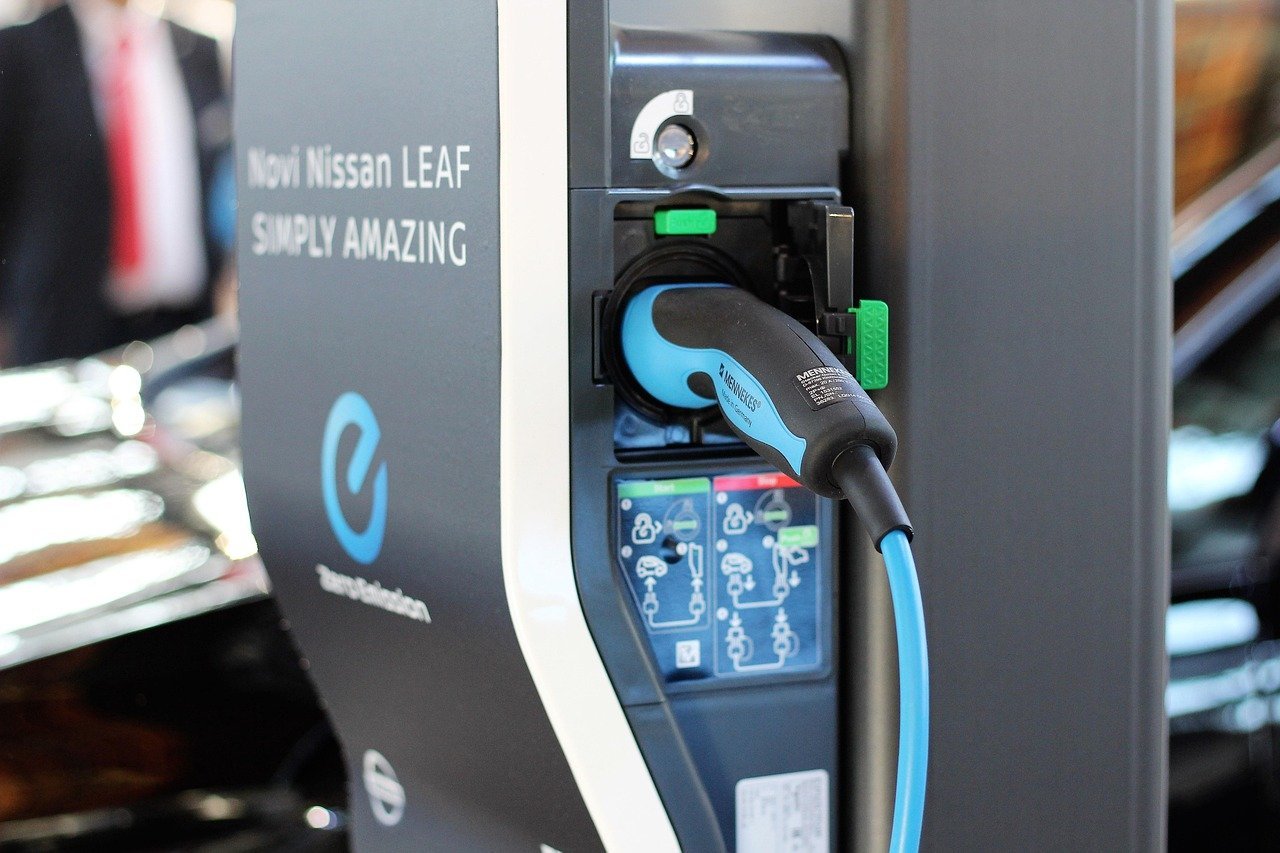
Quick answer: Read your tariff, pick the lowest-rate time band that fits your drive, and set the car or charger timer to start there. Customers on time-of-use rates have varying charges based on when their electricity is consumed, not just the total amount. [1] These customers can reduce their utility costs by shifting usage to off-peak hours, when electricity rates are lower. [1]
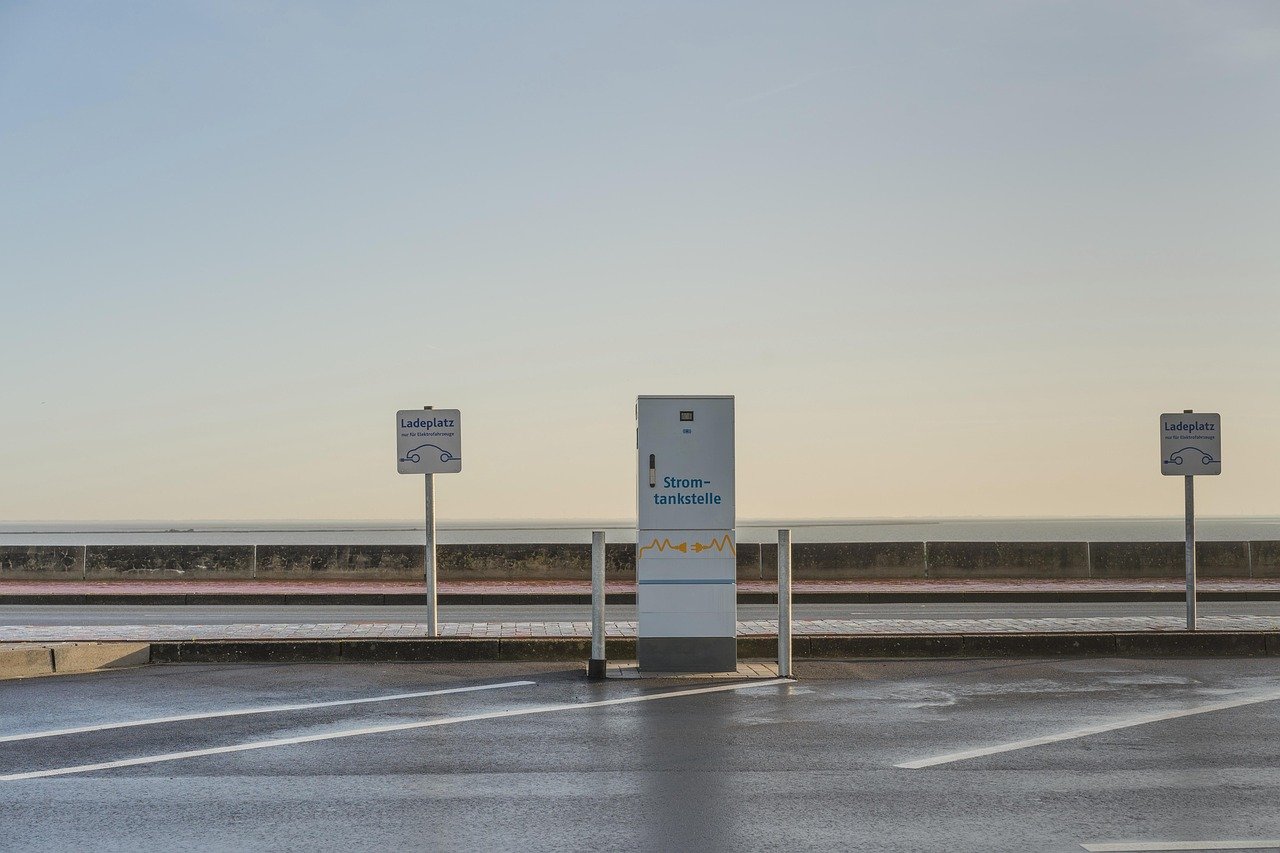
Most drivers of electric vehicles charge their vehicles overnight at home using AC Level 1 or AC Level 2 charging equipment. [2] Some utilities provide residential time-of-use rates and other rate incentives for owners of charging equipment. [2] Plan off peak EV charging around the plan your utility offers and the settings you choose.
This guide shows how to plan off peak EV charging on a real tariff. It explains how time bands and seasonal rates work, which parts of the decision belong to your vehicle or your utility, and what to document if an electrician installs equipment. It is general details, so confirm every figure on your own utility’s pages, and send wiring work to a licensed electrician.
How this guide was researched
This guide was researched rather than tested. This guide was drafted with AI assistance from the published pages listed under Sources, and each sourced sentence carries a marker that points to the page it came from. This guide does not describe first-hand use, stays or purchases. Pages change, so check the source page before you rely on a figure.
What is off peak EV charging and why does it matter?
Off peak EV charging means starting a charge in the time band when the utility charges the lowest rate. Check the rate for each time of day.
Free download: The Home Outage Readiness Planner
Our 12-page printable planner: a home power profile, essential loads worksheet, backup power chooser, safety rules, emergency kit and food safety log.
Load shifting strategies move electricity use from on-peak hours to off-peak hours. [1] Non-essential equipment can be scheduled to run during off-peak hours to take advantage of lower rates. [1]
A car is a flexible load. It sits parked for long stretches, and the driver rarely needs it charged at once. That flexibility is what makes a charging window worth planning.
Actual residential electricity costs depend on the type of equipment installed, the time of day and the length of time the charging station is used. [2]
Write down what you pay now before you change anything. Find the rate on your latest bill, and note the plan name. Keep the baseline so you can compare it with the next bill.
Why timing alone does not guarantee savings
A lower rate in one band does not always mean a lower bill. Some plans add a charge for peak demand, and some add a fixed monthly fee. Check the whole plan, not one line.
Most utility bills include a monthly charge, known as the demand charge, based on the customer’s highest electricity demand during a billing cycle. [1]
Ask the utility whether your plan has a demand charge and how it is measured. If it does, a high-power charge that overlaps other loads can raise the bill even in a cheap band.
How do time bands and seasonal rates shape off peak EV charging?
Time bands are the slices of the day with different rates. Seasonal rates change the bands or the prices between summer and winter. Both belong on your worksheet.
A given utility may offer multiple options for these types of time-variable pricing plans. [1]
Compare each plan on the same chart.
| Item | Check this | Write this down |
|---|---|---|
| Plan name | Find it on the latest bill. | Note the name. |
| Time bands | Read the tariff schedule. | Note each band. |
| Seasonal changes | Look for summer and winter schedules. | Note the change dates. |
| Extra charges | Look for fixed or demand charges. | Note each charge. |
Read the tariff, not a summary
Open the utility’s published tariff and find the plan that fits a home with an EV. Read the plan name, the band schedule and the notes. Save a copy of the page with the date.
If the tariff is hard to read, call the utility and ask for a plain-language summary. Ask them to confirm the band that has the lowest rate, and ask whether the schedule changes on weekends or holidays. Write down the name of the person you spoke to.
Which part of the decision depends on my vehicle or utility?
Some choices belong to the utility, and some belong to the vehicle. Separate them early so you ask the right party.
Ask the utility about the plan, the bands, the seasonal changes and any extra charge. Ask the vehicle maker, or read the owner’s manual, about charging limits, scheduling features and the battery.
Fully recharging the battery pack can take 3 to 12 hours. [3] That range is wide, so measure your own car, since the time depends on the battery and the equipment.
Many EV owners meet their daily driving range needs by charging overnight with Level 1 equipment, provided that a power outlet on a dedicated branch circuit is available near the parking location. [2] Check whether your driving fits that pattern before you pay for new equipment.
Match the charge time to the window
Find out how long your car takes to add the energy you need. Check the energy needed for a normal week and divide it by the charging rate of your equipment. Compare that time with the length of the cheap band. If the band is shorter than the charge time, plan a start that covers the cheap part and finishes after.
Use the car’s own display or app to read the energy added after a normal charge. Keep a short log for a week, and write the start time, the finish time and the energy added. Use the log to size the window.
How do you find the cheapest feasible window on a real tariff?
Use the same short routine each time. It takes a few minutes and avoids guesses.
- Find the plan name on your latest bill.
- Open the published tariff for that plan.
- List each time band, with the season and the rate.
- Mark the band with the lowest rate.
- Check the energy your car needs on a normal week.
- Match the charge time to the length of the band.
- Set the start time in the car or on the charger.
- Read the next bill and compare it with your baseline.
Repeat the routine when the utility changes the plan or the season changes. Keep the worksheet with your bills.
Example Suppose a homeowner reads the tariff and finds a cheap overnight band and a costly late-afternoon band. Imagine the homeowner checks the car’s schedule setting, picks a start time inside the cheap band and leaves a margin before the morning drive. After a month, the homeowner compares the bill with the old baseline and keeps a note of the result. If the bill did not improve, the homeowner checks for a demand charge or a fixed fee, instead of assuming the window was wrong.
How do timers and smart chargers fit in?
Most cars let you schedule a charge from the dashboard or an app. Many chargers have a timer as well. Choose one place to set the schedule, so two settings do not fight each other.
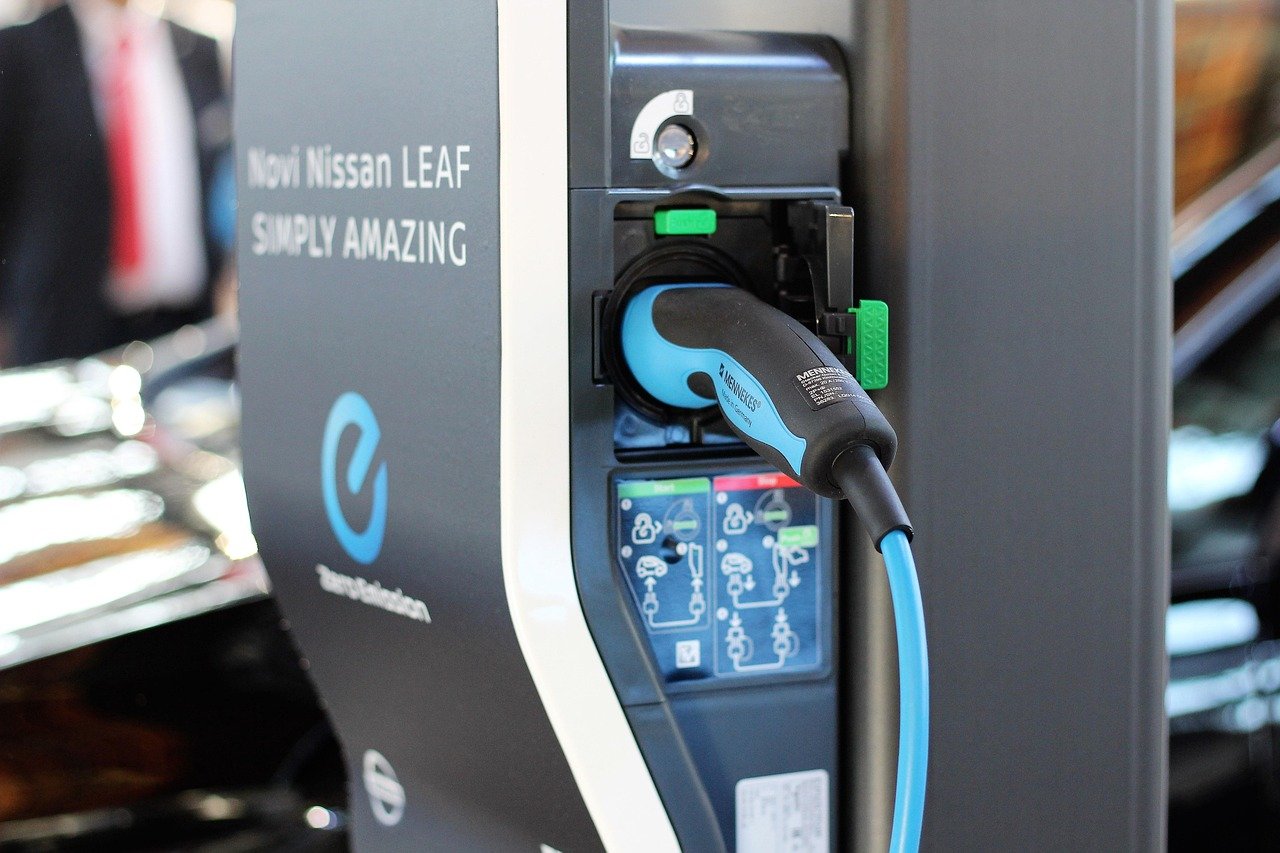
Smart Level 2 products have features such as charging timers and communications capabilities. [2]
Read the manual for the car and for the charger. Look for the words schedule, delay, departure time and off-peak. Test the schedule on a quiet night, and confirm the charge starts inside the band. Check the result in the app the next morning.
Unmanaged charging is when EVs start charging as soon as they are plugged in, without considering factors such as electricity cost. [4] Managed EV charging is the strategic control of when and how vehicles are charged. [4] Unmanaged charging brings higher energy costs when charging occurs during peak pricing hours. [4]
One example objective of managed charging is to avoid charging during higher peak pricing. [4] A home needs far less control than a large site, but the idea is the same. Start charging when the rate is low, and keep the car ready before you leave.
Leave a margin
Set the schedule so the car finishes well before you need it. Plan for a cold morning, a long trip or a busy week. Keep a rule of thumb: when the plan is tight, move the start earlier or charge at the next chance.
Keep a manual override handy. Use it when plans change, and remember to switch back to the schedule afterward. Check the app on the next night to confirm the schedule is active.
What should be documented in the installation quote or plan?
If you add or replace charging equipment, the quote should read like a checklist. It names the equipment, the circuit, the permit and the features that matter for scheduling.
Electricians can tell homeowners whether the home has adequate electrical capacity for vehicle charging. [2]
The National Electrical Code (NEC) considers EV charging infrastructure a continuous load. [2] Ask the electrician how the circuit is sized for a continuous load, and ask for the answer in writing.
- Record the exact charger model and its scheduling features.
- Write down the circuit, the breaker and the wire size.
- Note the permit and the inspection.
- Check whether the charger has a timer or an app.
- Record who sets up the schedule and who tests it.
- Keep the warranty terms with the quote.
Ask the installer to test the schedule before they leave. Ask them to show you where the setting lives, and to write the model number on the quote. A short walk-through at handover avoids a call later.
Use the EV charging guide to compare charger types before you shortlist, and read the guide to apartments with EV charging if you share parking and cannot install your own equipment. Ask the building manager about the utility account and any rules for shared spaces.
How does charging power change the window?
The speed of your equipment decides how long a charge takes, and the length of the charge decides how much of the cheap band you need. Read the rating on the charger and the limit in the car’s manual. Match the two, and plan around the lower number.
Check the circuit before you plan around a faster charger. Ask an electrician to confirm that the panel and the wiring suit the load. Avoid adapters and extension cords for a vehicle, since loose connections run hot over a long charge. Keep the charging cable off the ground, and store the connector out of the rain.
Start with the equipment you own. Many drivers add all the energy they need overnight with a basic cord. Measure the result for a week before you buy anything new. If the car finishes with time to spare, the current equipment is enough, and the money is better spent elsewhere.
If you do plan an upgrade, write the goal on the quote. State the energy to add, the window to use and the finish time you want. Ask the installer how the charger handles a power cut, a schedule change and a manual override. Keep the answers with the quote.
Plan for a power cut
A power cut can wipe a schedule or delay a charge. Check how the car and the charger behave after the power returns. Look for a setting that resumes the charge, and test it when it is safe to do so. Keep a note on the fridge with the steps to restart a charge by hand.
Read the safety guidance from the maker, and follow it. Leave wiring and breaker work to a licensed electrician. Stop charging and call a professional if a plug, a cable or an outlet gets hot, smells burnt or shows damage.
How do you share the window in a busy household?
A home with more than one vehicle needs a simple rule. Decide which car charges first, and stagger the start times so the loads do not stack. Check the panel capacity with an electrician before two chargers run at once.
- List each vehicle and the energy it needs on a normal week.
- Decide which vehicle starts first inside the cheap band.
- Stagger the start times, and leave a margin before each drive.
- Check the panel capacity before running two chargers together.
- Review the plan each season, and adjust when the drives change.
Write the rule on a note and share it with everyone in the home. Agree on who plugs in each night, and who checks the schedule. A simple habit works better than a clever setting that nobody remembers.
Talk to the utility if the household load is large. Ask whether a different plan fits better, and ask whether any rate incentive applies to a second vehicle. Keep each answer in writing.
What should you check after the first bill?
Give the new schedule a full billing cycle, then compare the bill with your baseline. Look at the energy used, the rate for each band and any extra charge. Note any change in the habits of the household that month, since a trip or a visit can skew the result.
If the bill improved, keep the schedule and write down the result. If the bill did not improve, check the tariff again. Look for a demand charge, a fixed fee or a band that does not match your notes. Adjust one setting at a time, and wait for the next bill before you change another.
Review the plan when the season changes. Update the worksheet, reset the schedule and test it on a quiet night. Keep the old worksheet so you can compare each season with the last one. Off peak EV charging works best as a routine that you check a few times a year, not a setting you forget.
What if off peak EV charging does not fit your plan?
Some homes have no time-of-use plan, and some drivers need the car at odd times. Do not force a schedule that leaves the car empty. Compare the savings with the cost of a missed trip, and keep the schedule simple.
If your utility has no plan, ask whether one is planned, and check for other rate incentives. When you rent, ask the owner about the meter and the circuit before you buy equipment. If you share a panel with other loads, ask an electrician to confirm the capacity before you add a charger.
When the numbers are close, keep the plan you have. A small saving is not worth the risk of a flat battery or a tripped breaker. Review the decision once a season, and adjust only when the facts change.
Keep the records
Save the tariff page, the worksheet, the bills and the log. Save a screenshot of the schedule setting. Keep every document in one folder, and check it again when the plan changes. A clear record makes the next decision quick.
Review record
Last reviewed on .
Frequently asked questions
What is off peak EV charging?
Read your tariff to find the band, and set the car or charger to start there.
Do I need a special plan for off peak EV charging?
Ask your utility which plans fit a home with an EV. Read the band schedule and any extra charge before you switch.
How do I set the schedule?
Use the car’s schedule setting or the charger’s timer, and choose one place to set it. Test the schedule on a quiet night and check the result in the app.
Does the season change the best window?
Check the tariff for seasonal schedules, and list the bands for each season. Update the schedule when the season changes.
Who should install a charger?
Call a licensed electrician. Ask for the model, the circuit and the permit in writing, and ask them to test the schedule before they leave.
Off peak EV charging is easier to plan once you know your plan, your bands and your car. Read the tariff, match the charge time to the window, and keep the records. Run a short check before you set the timer.
Sources
- Federal Demand Flexibility | Department of Energy ()
- Alternative Fuels Data Center: Charging Electric Vehicles at Home ()
- All-Electric Vehicles ()
- Managed EV Charging for Federal Fleets | Department of Energy ()
Keep planning

Written by Jeremy Jarvis
Jeremy Jarvis is the founder and editor of PowerProof Home, where he builds research-based guides and free planning tools for home backup power, energy savings and outage preparedness. He sets the site's editorial standards, checks every guide against official sources such as the U.S. Department of Energy, ENERGY STAR, Ready.gov, NFPA and manufacturer documentation, and is responsible for corrections. Jeremy also founded Eco Nomad Travel, Mind Clarity Hub, SilkHarborTravel, WanderOza Travel, Freedom Road Living and Garage Playbook, and he is the author of books on clarity, focus and practical AI, including The Power of Clarity and Digital Clarity.
Questions and comments