
EV Charger Outdoor Rating: How to Check a Charger and Its Mounting Spot
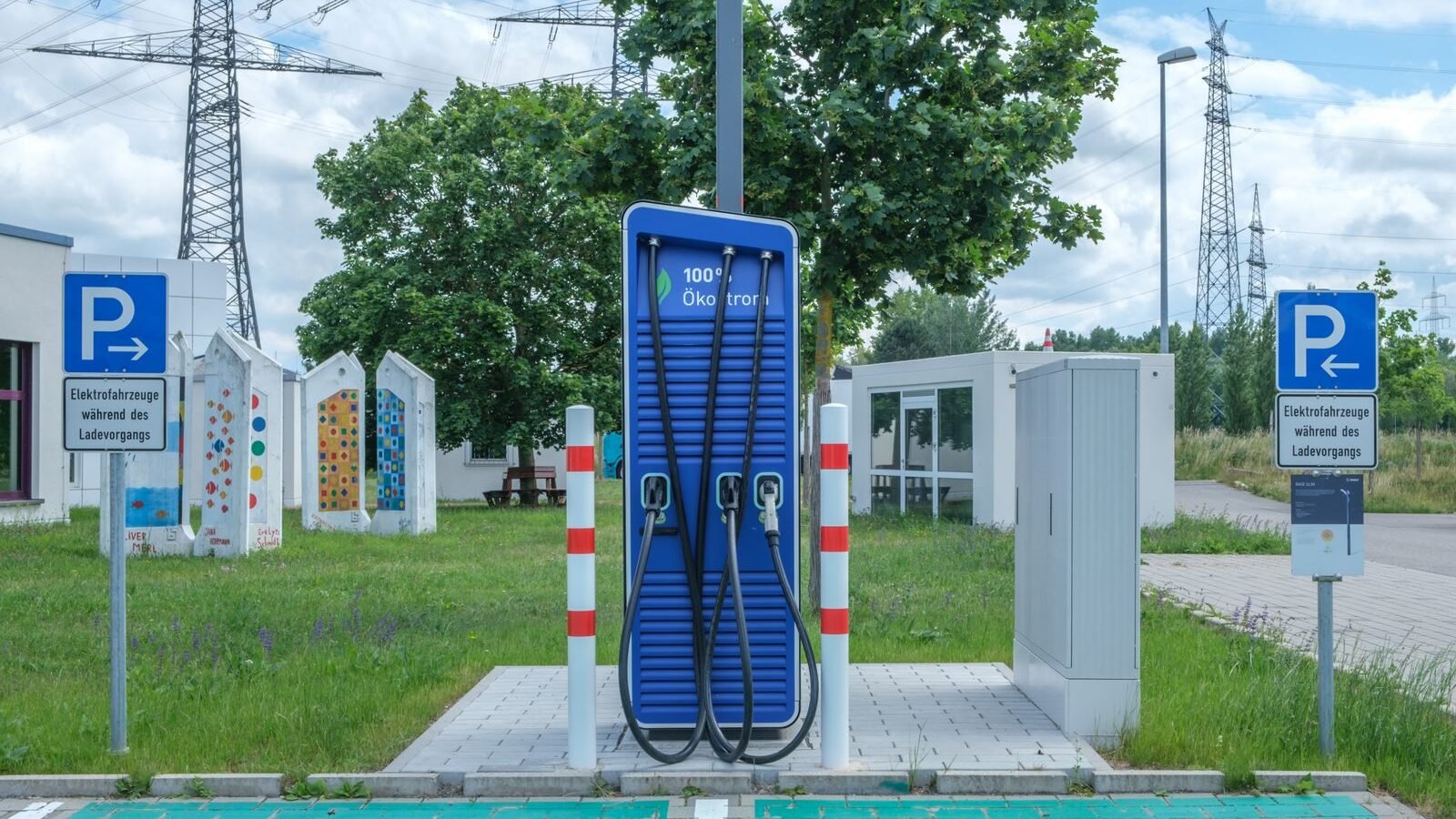
Quick answer: A good EV charger outdoor rating check has four parts: the exact model must be approved for outdoor use, its enclosure and temperature ratings must fit your spot, the mounting conditions must keep water and impact away, and a licensed electrician must confirm the supply. Outdoor installations require outdoor-rated equipment. [1] Do not choose an outdoor charger from the IP number alone. [2]

A federal charging guide says outdoor installation and use are also safe, even when the vehicle charges in the rain. [1] One installer guide says equipment designed and rated for outdoor installation can be installed outside when the work follows the manufacturer’s instructions and the electrical rules. [3] Those two statements frame the whole EV charger outdoor rating question: the answer is yes, but only for the right equipment in the right spot.
How this guide was researched
This guide was researched rather than tested. This guide was drafted with AI assistance from the published pages listed under Sources, and each sourced sentence carries a marker that points to the page it came from. This guide does not describe first-hand use, stays or purchases. Pages change, so check the source page before you rely on a figure.
What does an EV charger outdoor rating actually tell you?
Read the EV charger outdoor rating as a short code on the charger’s label or data sheet that shows how well the enclosure keeps out dust and water. Remember that the code describes the box, not your yard. There is no single IP rating automatically required for outdoor chargers worldwide. [2] A sheltered wall at home, an uncovered car park and a coastal depot face different risks. [2]
An installer guide says an IP rating does not mean a charger can be submerged in water. [3]
Free download: The Home Outage Readiness Planner
Our 12-page printable planner: a home power profile, essential loads worksheet, backup power chooser, safety rules, emergency kit and food safety log.
A NEMA marking should not be turned into an exact IP rating without supporting documentation. [2] In plain terms, read the label as printed, and ask the maker for the record when two systems appear side by side.
Questions to ask about the label
- Does the label name the exact model and the exact connection method you plan to buy?
- Does it use an IP code, a NEMA type or both, and is the certification record available?
- Does the manual say outdoor use is allowed for this configuration?
- Does the rating still apply once the cable and connector are attached?
A charger maker warns that enclosure protection, connector format, cable entry and certification can differ between configurations. [2] For that reason, copy the model number from the box into your notes before you compare anything else.
Keep a simple record as you go. Photograph the label, the manual page that lists the ratings and the spot where the unit will hang. Save the photos in one folder with the date, because a clear record helps if a dispute arises with an installer or a manufacturer later. Share the folder with your electrician so everyone works from the same facts.
Which part of the decision depends on my vehicle or utility?
Separate the rating, which belongs to the charger, from the parts of the decision that belong to your car, your house and your utility. Do this early so you do not blame the box for a problem that sits elsewhere.
A federal charging guide says to consult vehicle manufacturer guidance about the required charging equipment and to learn the specifications before purchasing equipment or electrical services. [1] Read your vehicle’s manual before you shortlist chargers, since the connector type and the charging power depend on the car.
Electricians can tell homeowners whether the home has adequate electrical capacity for vehicle charging. [1] Ask a licensed electrician to look at the supply before you order hardware.
Here is a simple way to sort the decision.
| Part of the decision | Who or what decides it | What to record |
|---|---|---|
| Connector and charging power | Your vehicle’s manual | Connector type and the highest power the car accepts |
| Your panel, your utility and a licensed electrician | The spare capacity and the proposed circuit | |
| Enclosure and temperature rating | The charger’s label and manual | The exact model and the printed ratings |
| Mounting spot | Your site and the manual | Wall or pedestal, drainage and impact risk |
| Permits and codes | Local authorities | The permit and the site plan |
How do mounting conditions change the rating you need?
An installer guide says that even under a carport the charger should have an enclosure rating suited to the actual environment. [3] So shelter lowers the risk but never removes the need for a rating that matches the site.
Walk the spot at the wettest time you can. Look for places where rain runs off a roof onto the wall, where snow slides from the eaves, or where a sprinkler hits the box. Check where water goes after a storm, because a charger that sits in a low corner will meet standing water sooner or later.
Salt air, fertilizer and road spray attack metal and seals over time. If your spot sits near the coast, a busy road or a garden bed, look for corrosion resistance in the manual and wipe the unit now and then. A rating for water does not always cover corrosion, so ask the maker which environments the unit suits.
Wall, post or pedestal
Many EV chargers can go on compatible pedestals where wall mounting is not practical. [3] A pedestal moves the charger away from a wall, but it brings its own questions about footing, conduit and protection from vehicles.
Think about impact as well as weather. A charger beside a driveway can be bumped by a car, a bicycle or a lawn mower. Place the unit where a slow vehicle cannot reach it, or add a guard that the maker allows. A charger maker lists flooding, vehicle impact, corrosion, extreme temperature and cable damage as site risks that outdoor charging must be protected from. [2]
Keep the cable in mind when you pick the height. Leave enough reach for the charge port on the car, and give the cable a clean place to rest so the connector never sits in standing water. A cable lying across a walkway is also a trip hazard, so plan a hook or holder on the wall or post.
EV charger outdoor rating: how do temperature limits fit in?
A charger maintenance guide says the safe outdoor temperature limit is whatever operating range the manufacturer lists for the charger. [4] Treat that printed range as the real limit for your unit, and write it down next to the EV charger outdoor rating you recorded from the label.
The same guide lists hot weather, direct sun and poor airflow, along with loose terminals, undersized wiring, adapters and coiled cables, as things that raise charger temperature. [4] Several of those factors come from the mounting spot, so choose a place with shade and open air around the box.
A charger enclosure exposed to the sun may reach a temperature considerably higher than the surrounding air temperature. [3] A south-facing wall in full sun is therefore a harder spot than a shaded one, even when both are dry.
Leave space around the charger so air can move. Do not box the unit in, cover it with a tarp or stack storage against it. Heat has to escape somewhere, and a crowded corner traps it. If the manual states clearance distances, follow them exactly and mark the zone on the wall so nobody parks a bin there.
Cold, snow and ice
An installer guide says snow alone does not make an outdoor charger unsafe, provided the equipment suits the environment and is installed properly. [3] Check the low end of the printed temperature range against the coldest weather your area sees, and keep snow and ice clear of the cable and connector.
Look at the cable temperature range if the manual lists one. A cable that stiffens in the cold is harder to handle and easier to damage, so choose a cable rated for your climate and store it off the ground.
When to stop charging
A charger maintenance guide says to stop charging when any part of the setup, such as the plug, cable, outlet or control box, gets unusually hot, smells burnt, changes color, melts, shows a fault or trips a breaker. [4] Do not keep using a unit that shows any of those signs; call a licensed electrician instead.
What if the charger is plug-in rather than hardwired?
Ask the electrician to check that the outlet, the wiring behind it and the breaker all suit a continuous load. Avoid adapters and extension cords, because loose connections run hot over long charging sessions.
Replacing it later means more electrical work, so choose with care.
Seasonal checks that keep the rating meaningful
A rating describes new equipment. Over the years, seals age, covers crack and fasteners loosen. Inspect the charger at the change of each season. Look for cracks, gaps around the cover, discolored plastic and signs of water inside. Test the cable for stiff or cracked sections, and clean the connector with a dry cloth. If anything looks wrong, stop using the unit and call the installer. A small repair in autumn beats a failure in a winter storm.
Is a high rating enough, or do codes and permits matter too?
A strong rating does not replace code compliance. Charging equipment installations must follow local and state codes and regulations. [1] Ask your electrician which permits apply before you order anything.
The same guide says the National Electrical Code treats EV charging equipment as a continuous load. [1] Article 625 contains most of the details applicable to charging equipment. [1] Wiring work belongs to a licensed electrician, who will size the circuit and the protection for a continuous load.
The guide also says many areas require a site installation plan to go to the permitting authority for approval before work starts. [1] Your installer can usually prepare that plan. And the plan is a natural place to record the enclosure rating and the mounting conditions you checked.
The guide recommends safety-certified equipment, along with a certified electrical contractor. [1] Look for a certification mark from a recognized testing laboratory on the label, and keep a photo of it with your records.
Also consider who else shares the spot. Children, pets and visitors may walk past the charger every day, so keep the cable off the ground and the connector out of reach. Place a hook at a sensible height and teach everyone in the house to hang the cable after each session. Good habits protect the equipment, and they keep the weather rating from being undone by simple carelessness.
What should be documented in the installation quote or plan?
A good quote reads like a checklist. It names the equipment, the mounting method and the checks that were done. So you can compare quotes fairly and prove later what was installed. The model documentation should name the charger and its connection method as fit for the intended outdoor environment. [2]
- The exact charger model, its enclosure rating and its temperature range as printed on the label.
- The connection method, whether plug-in or hardwired, and the circuit that feeds it.
- Record the mounting spot, the mounting method and the steps taken against water and impact.
- Where the cable and connector rest when not in use.
- Record the permits, the site plan and the inspection the local authority asks for.
- Record the warranty terms, including whether outdoor use is covered.
Ask the installer to write the model number and the EV charger outdoor rating on the quote itself. If the quote only says “outdoor charger,” it leaves room for a substitution that you would not notice until a problem appears.
Example Suppose a homeowner collects two quotes for the same driveway. One quote names the model, the enclosure rating, the temperature range, the pole mount and the permit. The other says only “weatherproof charger, installed.” Imagine the homeowner asks the second installer for the missing details. If the installer cannot provide them, the homeowner has learned something useful before signing.
Compare quotes on the same terms
When two quotes differ, line them up beside one another and test each against your notes. Does each quote name the same model? Does each state the EV charger outdoor rating in writing? Do both describe the mounting method and the permit? Gaps in a quote are not proof of a bad installer, but they are good reasons to ask questions. Ask for a revised quote that fills each gap, and keep the replies in writing. A clear quote also helps your insurer and any later buyer of the house understand what was installed and why.
Remember that the EV charger outdoor rating is a starting point. Pair it with a sound spot, a matching temperature range and a licensed installation, and the whole setup becomes much easier to trust. Review the plan once more before work begins, and ask the installer to walk the site with you on the day.
How do you use an EV charger outdoor rating check before you buy?
Run the same short routine for every charger you consider. First, copy the model number and the printed ratings. Second, compare the temperature range with your local weather. Third, match the mounting spot to the manual. Confirm the supply with a licensed electrician. Finally, write the answers in one place so the final choice rests on notes instead of memory.
A charger maker says local rules, product certification, the installation manual and the reviewing authority can all affect the final rating need. [2] That is why the routine ends with a conversation, not a number.
Use the EV charging guide to compare charger types before you shortlist, and read the portable EV charger guide if a plug-in unit is also on the table. Portable units may have different ratings from wall units, so apply the same label checks to them.
Review record
Last reviewed on .
Frequently asked questions
Does an outdoor EV charger outdoor rating guarantee safety in a flood?
Outdoor-rated chargers should not be assumed to survive flooding or immersion unless specifically rated for those conditions. [3] Mount the unit above likely water and keep it clear of low ground.
Is there one IP rating every outdoor charger needs?
A charger maker says there is no single IP rating automatically required for every outdoor charger worldwide. [2] Check the manual and ask your local authority about your spot.
Can I rely on the temperature range printed in the manual?
A charger maintenance guide says to use the operating temperature range printed in the charger manual as the real limit for that unit. [4] Compare that range with your coldest and hottest days.
Do I need a permit for an outdoor charger?
Appropriate permits may be required from local building and permitting authorities. [1] Ask your electrician which permits apply where you live.
Who should install the charger?
A federal charging guide says the electrical contractor should understand and use the appropriate National Electrical Code for a safe and code-compliant installation. [1] Choose a licensed electrician and ask to see the proposed plan first.
A careful EV charger outdoor rating check turns a vague “outdoor charger” into a specific model, a rated enclosure, a sensible spot and a written plan. Gather those pieces before you commit. Ask a licensed electrician to confirm the supply and the installation.
Sources
- Alternative Fuels Data Center: Charging Electric Vehicles at Home ()
- Outdoor EV Charger Installation & IP Ratings | EVB ()
- Can You Install an EV Charger Outside? Complete Guide ()
- EV Charger Outdoor Temperature Limits To Know ()
Keep planning

Written by Jeremy Jarvis
Jeremy Jarvis is the founder and editor of PowerProof Home, where he builds research-based guides and free planning tools for home backup power, energy savings and outage preparedness. He sets the site's editorial standards, checks every guide against official sources such as the U.S. Department of Energy, ENERGY STAR, Ready.gov, NFPA and manufacturer documentation, and is responsible for corrections. Jeremy also founded Eco Nomad Travel, Mind Clarity Hub, SilkHarborTravel, WanderOza Travel, Freedom Road Living and Garage Playbook, and he is the author of books on clarity, focus and practical AI, including The Power of Clarity and Digital Clarity.
Questions and comments