Jeremy Jarvis is the founder and editor of PowerProof Home, where he builds research-based guides and free planning tools for home backup power, energy savings and outage preparedness. He sets the site's editorial standards, checks every guide against official sources such as the U.S. Department of Energy, ENERGY STAR, Ready.gov, NFPA and manufacturer documentation, and is responsible for corrections. Jeremy also founded Eco Nomad Travel, Mind Clarity Hub, SilkHarborTravel, WanderOza Travel, Freedom Road Living and Garage Playbook, and he is the author of books on clarity, focus and practical AI, including The Power of Clarity and Digital Clarity.
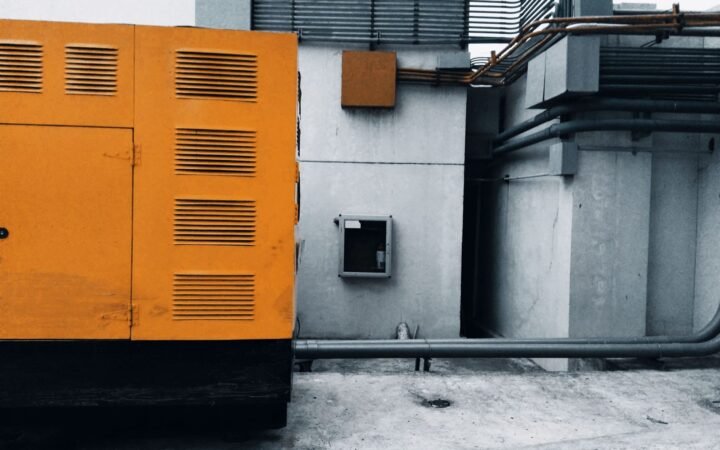
Most generator deaths come from one decision: putting the machine somewhere convenient instead of somewhere safe. Here is the placement, wiring and fuel guidance that prevents them.
Generators run for days on fuel but produce exhaust and noise. Batteries are silent and safe indoors but run out. Here is how to tell which one your outages call for.
How a home energy monitor works, the differences between panel, plug-in and utility smart meter options, what circuit-level tracking reveals, solar and battery monitoring, installation, privacy and how to turn data into savings.
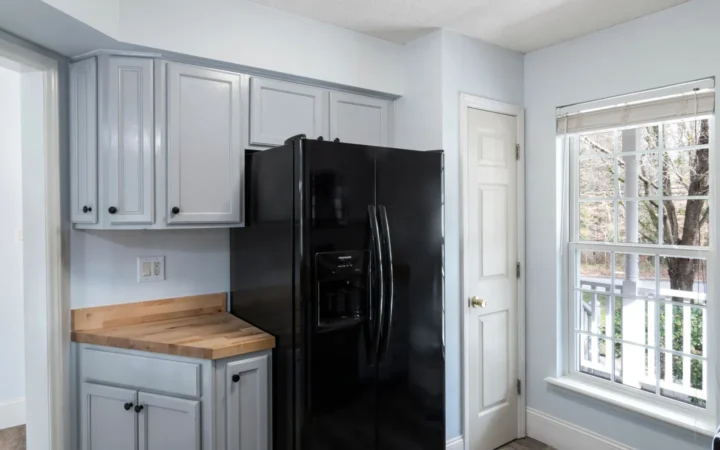
How many watts a refrigerator uses while running and starting, why daily kilowatt-hours matter more than nameplate watts, how to measure your own fridge, what it costs to run, and how to size backup power for it.
How to choose energy efficient appliances: reading EnergyGuide and ENERGY STAR labels, which appliances use the most energy, when replacing an old unit pays off, heat pump and induction options, and how efficiency shrinks backup power needs.
What a home energy audit is, what a professional assessment checks, how blower-door and infrared tests work, how to do a do-it-yourself walk-through, and how to turn the results into upgrades that pay back.
How a heat pump water heater works, the space, temperature and drainage it needs, sizing, operating modes, noise and cooling effects, costs, savings, incentives after 2025 and how to plan installation.
How a whole house surge protector works, where surges come from, the ratings that matter, panel installation, layered protection with point-of-use strips, generators and outages, and how to choose one.
A step-by-step guide to what to do during a power outage: the first ten minutes, food and water, staying warm or cool, generator and carbon monoxide safety, medical needs, communication and what to do when power returns.
How long food stays safe in a fridge without power and in a freezer, the 40 degree rule, what to keep and what to throw out, refreezing, medications and how to keep food colder for longer during outages.
 Backup Generators