
Generator Interlock Kit: How It Works and When It Makes Sense
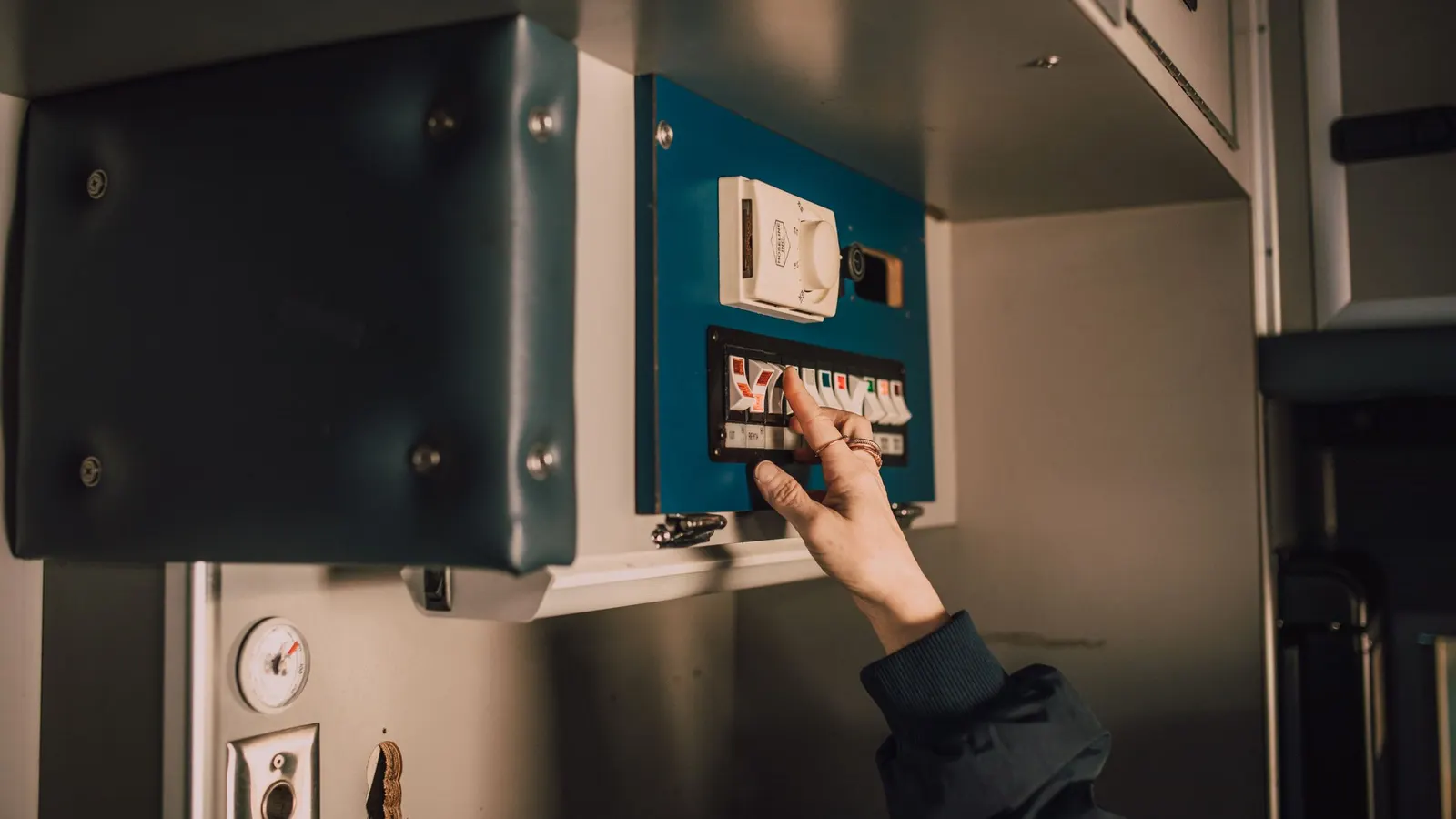
A generator interlock kit is one of the simplest ways to power your home’s circuits from a portable generator safely. It is a small mechanical plate that mounts on your main electrical panel. The plate makes it physically impossible to turn on the main utility breaker and the generator breaker at the same time. As a result, a generator interlock lets you use your existing panel, power almost any circuit you choose, and never backfeed the grid.
Last reviewed and updated: October 1, 2026. Written by Jeremy Jarvis.
Key takeaways
- A generator interlock kit is a mechanical plate that makes it impossible to turn on the main breaker and the generator breaker together.
- It lets a portable generator power any circuit in your main panel, as long as the total load stays within the generator’s capacity.
- The kit must be designed and listed for your specific panel, and a licensed electrician should install it with a permit.
- You manage loads yourself, so a written outage routine and labeled breakers matter.
This guide explains how an interlock works, what parts a full installation includes, how it compares with a transfer switch, and how to use it during an outage. We also cover the mistakes that cause overloads and the safety rules that never change.
What a generator interlock kit is
At its core, an interlock kit is a piece of shaped metal and a few fasteners. It attaches to the panel’s dead front, the cover over the breakers. The plate slides or pivots between two positions. In the first position, the main breaker can be on, but the generator breaker is blocked. In the second position, the generator breaker can be on, but the main breaker is blocked.
That simple rule is the whole point. Because both sources can never be connected together, generator power cannot flow out to the utility lines. Similarly, utility power cannot crash into your generator when the grid comes back. The interlock does mechanically what a transfer switch does with its own internal contacts.
How a generator interlock works in an outage
The routine is straightforward once you have practiced it. When the power goes out, you first turn off the main breaker. Then you slide the interlock plate over, which uncovers the generator breaker. Next, you connect the generator to the outdoor inlet and start it. After that, you turn on the generator breaker and, one by one, the circuits you want.
When the grid returns, you reverse the steps. Turn off the circuits and the generator breaker, slide the plate back, then turn the main breaker on. Finally, shut down the generator and let it cool. The order matters, and the interlock enforces the most important part of it.
The parts of an interlock installation
On its own, the plate is not enough. A complete installation has four main parts that work together:
- Interlock plate: made and listed for your panel brand and model.
- Generator breaker: a two-pole breaker, usually placed in the slot next to the main breaker, sized to the generator inlet.
- Power inlet box: a weatherproof outdoor receptacle where the generator cord plugs in.
- Cord: rated for the same amperage and plug type as the generator outlet and inlet.
Your electrician will size the breaker, inlet and wiring to match the generator’s 240-volt outlet, which is commonly 30 or 50 amps on larger portables. Mismatched parts are a common source of problems, so plan them as a set.
Generator interlock kit pros and cons
Interlocks are popular for good reasons. Even so, they are not ideal for every home. Here is a balanced look.
| Advantages | Drawbacks |
|---|---|
| Often less expensive than a transfer switch | Must be listed for your specific panel |
| Power any circuit in the main panel | You manage loads, so overloads are possible |
| No separate sub-panel or circuit rewiring | Requires several manual steps during an outage |
| Easy to change which circuits run, outage by outage | Uses a panel slot for the generator breaker |
| Simple mechanical design with few parts | Not suited to automatic, hands-free backup |
If hands-free operation matters most, an interlock is the wrong tool. Instead, look at a standby generator with an automatic transfer switch, covered in our whole house generator guide.
Interlock kit vs. transfer switch
Both options prevent backfeed when installed correctly. The main difference is how they handle circuits. A manual transfer switch moves a fixed group of circuits into its own small panel. During an outage, only those circuits can run on generator power. By contrast, a generator interlock leaves every circuit in your main panel. You decide which to turn on each time.
That flexibility cuts both ways. On one hand, you can run the washing machine on Tuesday and the well pump on Wednesday. On the other hand, nothing stops you from switching on too much at once. With a transfer switch, the circuit selection itself limits the load. Our generator transfer switch guide covers that option in depth, and the free Transfer Switch Selector suggests which suits your situation.
Cost often tips the decision. Because an interlock uses the existing panel, the parts and labor can cost less. However, prices vary by panel, region and electrician, so compare written quotes for both.
Is an interlock kit legal and code compliant?
Legality depends on three things: the kit, the installation and your local rules. First, the kit must be designed for your exact panel and listed by a recognized testing laboratory or approved by the panel maker. Generic plates that are not listed for your panel may fail inspection. Second, the installation must follow the National Electrical Code and local amendments. Third, your local building department decides what it accepts.
In practice, many jurisdictions accept properly listed interlocks installed by licensed electricians. Even so, some do not, and rules change. Therefore, ask your electrician to confirm local acceptance and to pull a permit. An inspected installation also helps with insurance claims and home sales.
What installation involves
A typical generator interlock installation is a few hours of work for a licensed electrician. The job usually looks like this:
- Confirm the panel model and buy the matching listed interlock kit.
- Free up or relocate breakers so the generator breaker sits where the plate requires.
- Install the two-pole generator breaker and mount the interlock plate on the panel cover.
- Mount the outdoor inlet box and run wiring from the inlet to the generator breaker.
- Label the panel, test the interlock with the generator, and schedule inspection.
Placement of the inlet box deserves thought. It should let the generator sit at a safe distance from the home. Ready.gov advises using generators outdoors and at least 20 feet away from windows. Choose the inlet location around that spot, not the other way around.
Managing loads with an interlock
With an interlock, load management is your job. Start by knowing your generator’s running and starting watts. Then estimate the load of each circuit you plan to use. Our Home Generator Size Calculator helps you total running watts and the largest starting surge from your appliance list.
Before an outage, write a short plan. List which breakers to turn on first and which to leave off. Large heating and cooking loads, such as an electric range, water heater, dryer or central air conditioner, usually stay off with a portable generator. Meanwhile, the refrigerator, sump pump, furnace blower, lights and internet are typical priorities.
During the outage, switch on large motor loads first, one at a time, while the generator is lightly loaded. Then add smaller circuits. If the generator labors or its breaker trips, turn circuits off and try again with less. Over time, you will learn which combinations your generator handles comfortably.
Why backfeeding without an interlock is dangerous
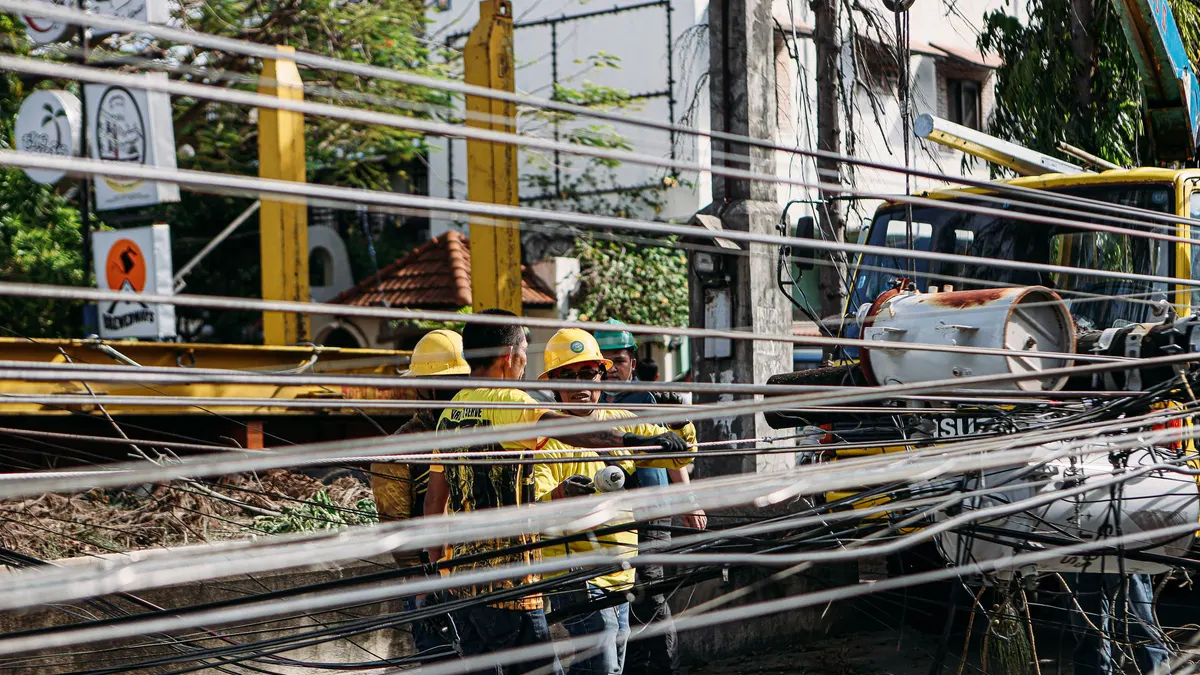
Some people skip the interlock and plug a generator into a dryer outlet with a double-male cord. This shortcut is dangerous. With the main breaker on, generator power can flow out through the meter to the transformer. There, it can be stepped up to thousands of volts on lines that crews believe are dead. Utility workers can be seriously injured or killed.
Backfeeding also risks fire inside your home. Exposed prongs on a double-male cord carry live voltage. Furthermore, if the grid returns while the generator is connected, the collision can destroy the generator and damage wiring. OSHA lists shock and electrocution from improper connections among the main generator hazards. A generator interlock kit exists to prevent all of this.
Safety rules that always apply
An interlock solves the connection problem, but it does not make a generator safe by itself. Carbon monoxide remains the biggest risk. Run the generator outdoors only, far from doors, windows and vents, and never in a garage, basement, shed or crawlspace. In addition, install battery-backed carbon monoxide alarms on every level of the home.
Keep the generator dry, let it cool before refueling and store fuel away from living spaces. Also, keep the inlet cover closed when not in use, and inspect the cord before each outage. If you see scorch marks, loose connections or a breaker that trips repeatedly, stop and call an electrician.
Choosing a generator to pair with an interlock
An interlock works with most portable generators that have a 240-volt outlet. However, the generator still decides what you can run. A larger portable gives you more freedom to choose circuits, while a smaller one forces tighter choices. Before buying, list your must-run loads and compare them with the generator’s running and starting watts.
Fuel and noise matter as well. If you expect long outages, a dual fuel model lets you switch to propane, which stores well. If neighbors are close, an inverter model may be quieter at light loads. Our generator buying guide covers these trade-offs in detail. Whatever you choose, make sure its outlet matches the inlet your electrician installs.
Interlocks, power stations and batteries
Some large portable power stations offer a 240-volt or 30-amp output designed for home backup. In principle, these can feed an inlet and interlock much like a generator. In practice, the station’s continuous output and stored energy are far smaller than a generator’s fuel supply. Therefore, keep the circuit list short and follow the manufacturer’s home backup instructions exactly.
Whole-home batteries usually take a different path. They come with their own backup gateway or switch, which isolates the home from the grid automatically. As a result, they rarely use an interlock at all. If you plan to add a battery later, mention it to your electrician now. Planning the panel layout once can save rework.
Interlocks in older homes
Older homes bring a few extra questions. Some older panels have no listed interlock kit at all. Others are full, with no room for a two-pole generator breaker beside the main. In addition, certain older panel models have known reliability concerns, and an electrician may recommend replacing the panel before adding any generator connection.
A panel replacement is a bigger project, but it can be a smart one. A new panel brings modern breakers, room for future circuits and, usually, a matching interlock kit. If you also plan solar, a battery or an EV charger, raise those plans at the same time. One well-planned upgrade often costs less than several small ones spread over years.
Maintaining the system
An interlock has almost nothing to wear out, but the rest of the system needs attention. Check the inlet box each season for insects, moisture and damaged contacts. Inspect the cord for cuts and bent prongs. Then, when you exercise the generator each month, practice the full switch-over with a light load. That keeps the routine fresh and reveals problems while the weather is calm.
Common mistakes with a generator interlock
The most frequent mistake is buying a kit that does not match the panel. Panels from the same brand can differ by model and year, so check the exact model on the label inside the panel door. Another mistake is placing the generator breaker in the wrong slot, which can stop the plate from working. A licensed electrician avoids both.
Overloading is the most common operating mistake. It is tempting to switch on everything once power is flowing. Instead, follow your written plan, keep big appliances off, and watch the generator. Finally, forgetting the order of steps when the grid returns can trip breakers or stress the generator. Tape a short checklist inside the panel door.
Generator interlock kit checklist
- Note your panel’s exact brand and model from the label.
- Confirm a listed interlock kit exists for that panel.
- Match the generator breaker, inlet and cord to the generator outlet.
- Choose an inlet location that keeps the generator at a safe distance.
- Hire a licensed electrician and get the required permit.
- Write an outage plan listing breakers to turn on and leave off.
- Tape the switch-over steps inside the panel door.
- Test the full routine before storm season.
Where to compare kits and inlets
Once your electrician confirms the panel model and amperage, you can compare current generator interlock kits, power inlet boxes and generator cords. Only buy a kit that matches and is listed for your panel, and confirm ratings with the manufacturer. For the full picture on backup power, read our guide to choosing a generator for home use and the Backup Generators hub.
Frequently asked questions about generator interlock kits
How does a generator interlock kit work?
A generator interlock kit is a sliding or hinged plate mounted on your main panel cover. It blocks the generator breaker from turning on while the main breaker is on, and blocks the main breaker while the generator breaker is on. That makes backfeeding the grid impossible when used as designed.
Is a generator interlock legal?
Interlock kits that are listed for your panel and installed by a licensed electrician are accepted in many areas, but local rules vary. Your electrician and local building department can confirm what is allowed and whether a permit is needed.
Is an interlock kit better than a transfer switch?
Neither is better for everyone. An interlock kit is often less expensive and lets you power any circuit, but you must manage breakers to avoid overloads. A manual transfer switch limits you to pre-selected circuits, which makes overloads less likely.
What else do I need besides the interlock plate?
A typical installation also needs a dedicated generator breaker in the panel, a weatherproof power inlet box outside, wiring between them, and a generator cord that matches the generator outlet and inlet.
Can I use a generator interlock with any panel?
No. Interlock kits are made for specific panel brands and models, and the kit must fit and be listed for your panel. Some panels have no compatible kit, in which case a transfer switch is the usual alternative.
Sources and how we researched this guide
This guide is research-based. We did not install an interlock kit for this article; we summarized OSHA and Ready.gov generator safety guidance and the role of the National Electrical Code and local permits. A licensed electrician must confirm that any kit is listed for your panel and install it. Found something out of date? Tell us and we will check it against the source.
- OSHA: Using portable generators safely (PDF)
- NFPA 70: National Electrical Code
- Ready.gov: Power outages
- American Red Cross: Power outage safety
Keep planning
- Quiet Generator: What Makes a Generator Quiet and How to Compare Noise
- Generator Maintenance: A Simple Schedule That Keeps It Ready
- What Size Generator Do I Need? A Step-by-Step Sizing Guide
- Dual Fuel Generator: Gasoline vs. Propane for Home Backup
Go deeper: Backup Generators hub · Home Generator Size Calculator · Transfer Switch Selector
