
Whole House Generator: How Standby Generators Work and Who Needs One
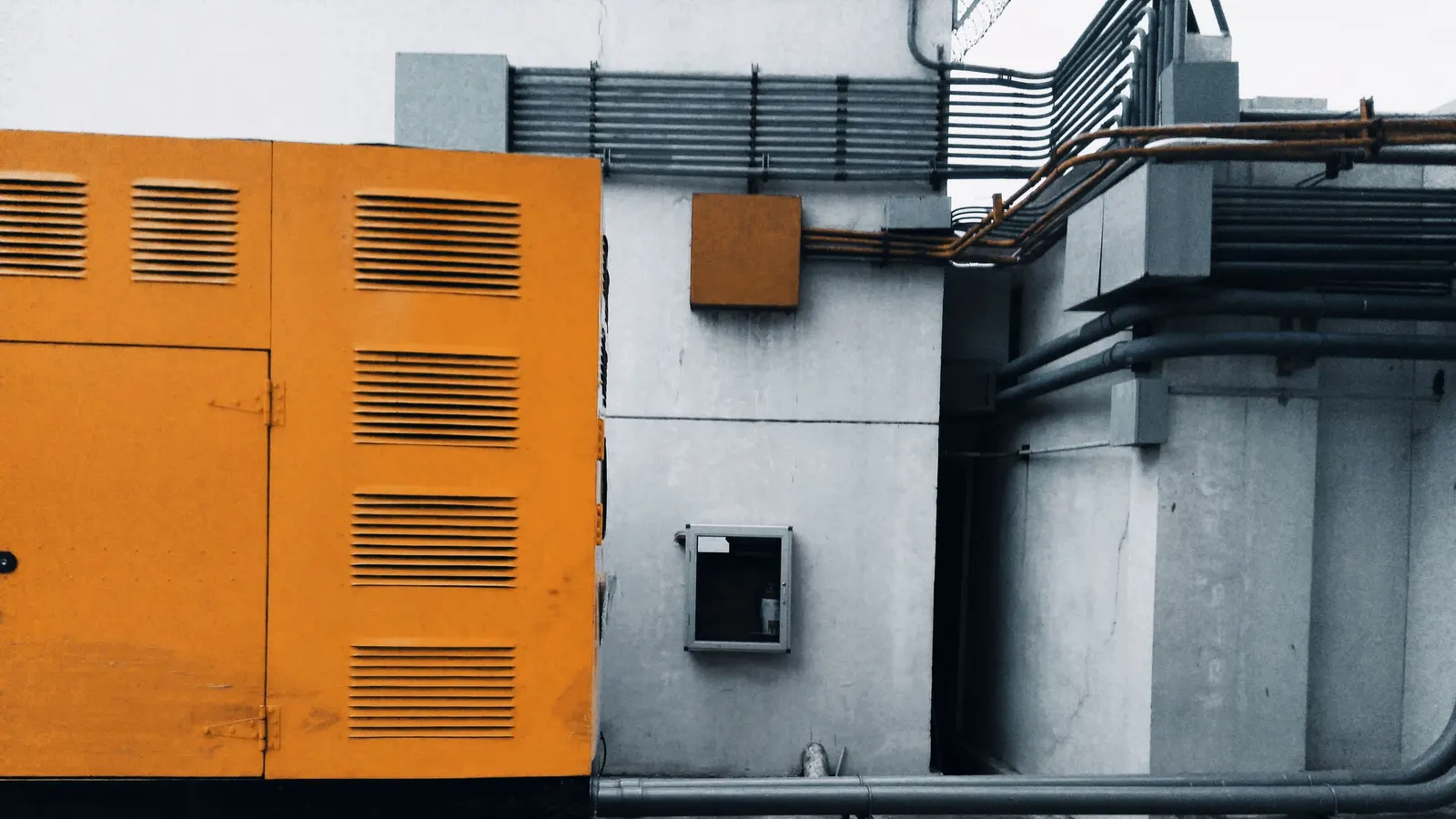
A whole house generator is a permanently installed standby generator that switches on by itself when the power goes out. Because it runs on natural gas or propane and connects through an automatic transfer switch, it can restore power to most or all of your home within seconds, even when nobody is home. This guide explains how a standby generator works, how it is sized and installed, and when it is worth the investment.
Last reviewed and updated: October 1, 2026. Written by Jeremy Jarvis.
Key takeaways
- A whole house generator is installed outside, runs on natural gas or propane, and starts automatically through an automatic transfer switch.
- Size it from a load calculation, or add load management so a smaller unit can cover large appliances without overloading.
- Installation involves a pad, gas and electrical work, permits and inspection, so get several itemized quotes.
- Annual service and regular self-tests keep a standby generator ready for the outage you bought it for.
Standby generators are the most convenient form of backup power. However, they are also the most expensive, and the right size depends heavily on your home. Understanding the basics first will help you compare quotes and avoid paying for capacity you do not need.
How a whole house generator works
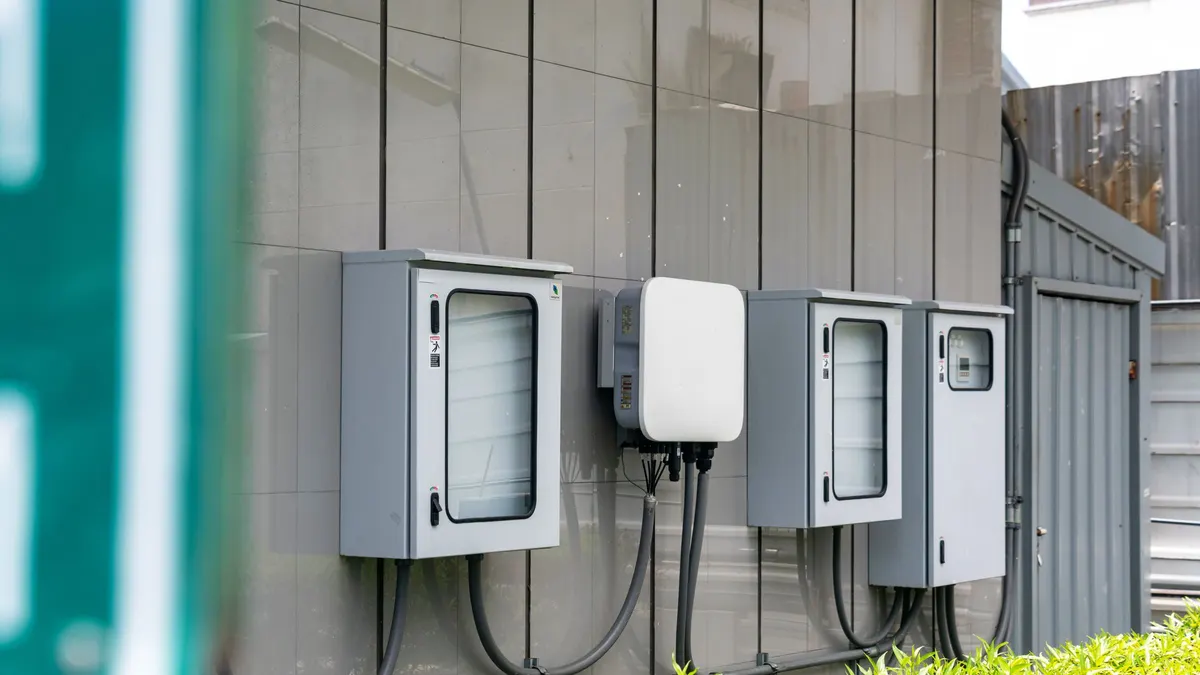
A standby system has three main parts. First, the generator itself sits outside in a weatherproof enclosure on a pad. Second, an automatic transfer switch is installed next to your main electrical panel. Third, a gas line connects the generator to your natural gas service or to a propane tank.
When the utility power fails, the transfer switch senses the loss and signals the generator to start. After the engine stabilizes, the switch disconnects your home from the utility and connects it to the generator. As a result, your lights and appliances come back on, usually within seconds. When grid power returns and stays stable, the switch moves your home back and the generator cools down and stops.
Because the transfer switch always disconnects the home from the utility first, a properly installed whole house generator cannot backfeed the grid. That protects line workers, which is one reason the installation must follow the National Electrical Code and local rules.
Sizing a whole house generator
Standby generators are sold by kilowatt rating, often from about 10 kilowatts to more than 26 kilowatts for homes. The right size depends on what must run at the same time, and especially on large motor loads. Central air conditioning, heat pumps, well pumps and electric water heaters are the loads that usually decide the size.
There are two ways to approach sizing. A whole-home approach sizes the generator to run nearly everything at once, which is simple but expensive. Alternatively, a managed approach pairs a smaller generator with load management modules that temporarily shed large loads, such as an air conditioner or electric dryer, when the generator nears its limit. Consequently, a managed system can cover a large home with a smaller, cheaper standby generator.
A reputable installer should perform a load calculation rather than guess from square footage. You can get a rough starting point with our Home Generator Size Calculator, which adds running watts and the largest starting surge from your own list. Then compare that with the installer’s numbers.
Fuel: natural gas or propane
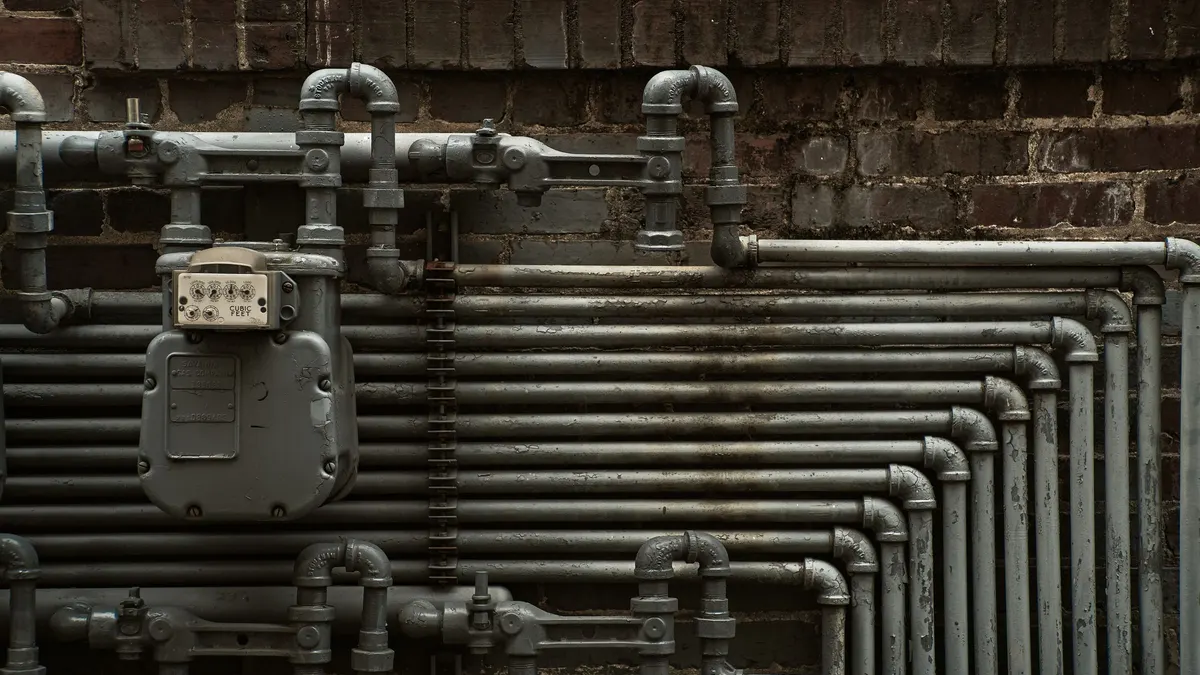
Natural gas is the most convenient fuel for a standby generator, because it arrives through the utility line and does not need refilling. Even so, the gas meter and line must be large enough to supply the generator and your other gas appliances at the same time. Installers often check the meter size and pipe run, and the gas utility may need to upgrade the meter.
Propane works where natural gas is not available. In that case, the tank size sets how long you can run, and a larger generator at heavy load uses propane quickly. Ask the installer to estimate fuel use at your expected load, then size the tank for the outage length you want to cover. Also, keep the tank filled before storm season, because deliveries can be delayed during regional emergencies.
Whole house generator installation steps
A standby installation is a construction project. Here is what typically happens, so you know what quotes should include.
- Site visit and load calculation, including the panel, gas service and placement.
- Permits from the local building department and, where needed, the gas utility.
- A level pad and placement that meets the manufacturer’s clearances from windows, doors, vents and property lines.
- Gas line installation and, if needed, a meter upgrade or propane tank.
- Electrical work: the automatic transfer switch, wiring and any load management modules.
- Inspection, startup, testing and setup of the exercise schedule.
Placement matters for safety and noise. Generators produce carbon monoxide, so manufacturers specify minimum distances from openings, and local codes may add setback rules. In addition, check homeowners association rules before you sign.
What owning a standby generator costs
The installed price includes far more than the generator. For example, the transfer switch, pad, gas work, electrical work, permits and labor often add a large share to the total. Our whole house generator cost guide explains each line item and how to compare quotes.
After installation, plan for ongoing costs. These include fuel during outages, a scheduled maintenance visit with oil, filter and spark plug service, and occasional battery replacement for the generator’s starting battery. Many manufacturers also require registration and periodic service to keep the warranty valid, so read the warranty terms carefully.
Pros and cons of a whole house generator
| Advantages | Drawbacks |
|---|---|
| Starts automatically, even when you are away | Highest upfront cost of any backup option |
| Can power most or all of the home, including central air | Needs permits, a pad, gas and electrical work |
| Natural gas models need no refueling | Annual maintenance and parts |
| No cords to run or generators to wheel outside | Produces exhaust and noise, so placement rules apply |
| Weekly self-test helps catch problems early | Propane runtime limited by tank size |
Whole house generator vs. portable generator vs. battery
A portable generator costs a fraction of a standby system and can run essentials through a transfer switch or interlock. On the other hand, someone has to set it up outdoors, refuel it and put it away, often during a storm. Read our guide to choosing a generator for home use for a full comparison.
A home battery is silent, has no exhaust and switches over instantly, but it stores a limited amount of energy. Therefore, batteries suit shorter outages and essentials, especially when paired with solar. A standby generator suits long outages and heavy loads. Some homes use both, with the battery covering brief outages and the generator taking over during long ones.
Safety with a standby generator
Even though a whole house generator is outdoors, carbon monoxide safety still applies. Keep the enclosure clear of snow, leaves and debris, and never enclose it in a shed or under a deck. Install battery-backed carbon monoxide alarms inside the home, as the CDC and EPA recommend. Similarly, keep combustible materials away from the unit.
Do not open the enclosure or service the electrical side yourself. Standby generators can start automatically at any moment, so maintenance should be done by trained technicians who disable the system first.
Who benefits most from standby power
Some households get far more value from a standby system than others. The clearest case is a home where an outage causes real damage. For example, a finished basement with a sump pump can flood within hours during a storm. Similarly, a home on a private well has no water at all without power. In both cases, automatic backup protects property, not just comfort.
Health is another strong reason. If someone in the home depends on oxygen concentrators, CPAP machines or other powered medical equipment, gaps in power carry real risk. Even so, talk to the equipment supplier as well, because many devices also need a battery bridge for the few seconds before the generator starts.
Climate matters too. Homes in hurricane regions, ice-storm zones and areas with planned wildfire shutoffs often face outages that last for days. There, the convenience of automatic power becomes a safety issue. By contrast, homes in areas with short, rare outages may never run the generator beyond its weekly test.
Finally, consider who is home. Older homeowners, people with mobility limits and families who travel often may not be able to wheel out and refuel a portable generator in a storm. In those homes, a standby system removes a risky chore.
How the weekly exercise works
Most standby generators include a controller that runs the engine on a set schedule. This exercise keeps seals lubricated, charges the starting battery and confirms the engine starts. Many units run quietly at reduced speed during the test. Others can run a full test with the transfer switch engaged, which checks the whole system.
Choose a test time that suits you and your neighbors, such as a weekday morning. Then pay attention for the first few weeks. If a warning light appears or the engine sounds rough, call the dealer. Some controllers also send alerts to an app, which helps when you are away. However, an app is not a replacement for scheduled maintenance.
Common installation problems
Most problems trace back to planning shortcuts. Undersized gas supply is a frequent one. When the meter or pipe cannot deliver enough gas, the generator may stall under heavy load, often exactly when the air conditioner starts. Therefore, make sure the installer checks gas capacity with all appliances running.
Poor placement is another. A unit placed too close to a window or under a deck can create carbon monoxide risk and may fail inspection. Also, units placed where snow drifts or water pools can fail to start. Finally, skipped permits can cause trouble with insurance claims or when you sell the home. A careful installer will pull permits and schedule inspections as a matter of course.
Keeping it ready
Most standby generators run a short self-test on a schedule, often weekly. During that test, look and listen for warning lights or unusual sounds. Then schedule professional maintenance at the interval in your owner’s manual, and after long run times. Our generator maintenance guide lists what a service visit should cover.
Load management explained
Load management is the feature that often decides whether a mid-size unit can serve a large home. It works like a traffic controller. Small modules sit on large circuits, such as an air conditioner, electric dryer or electric water heater. When the generator nears its limit, the controller briefly switches one of those loads off. Then, when demand drops, it switches the load back on.
For example, a home with two air conditioners might run only one at a time during an outage. Most people barely notice, because the house still stays comfortable. Meanwhile, the generator never overloads and shuts down. As a result, load management can cut the generator size, the gas demand and the installed price.
There are trade-offs, though. Managed loads may cycle off on the hottest afternoons. Also, modules add parts and wiring to the installation. Ask your installer which circuits they plan to manage, in what priority, and what happens when everything wants power at once.
Questions to ask installers
Good questions lead to better quotes. They also reveal which contractors take sizing seriously. Bring this list to every site visit and compare the answers side by side.
- Will you perform a written load calculation, and may I see it?
- Which circuits will the generator cover, and which loads will be managed?
- Can my gas meter and piping supply the generator plus my other gas appliances?
- Where will the unit sit, and what clearances and setbacks apply here?
- Does the price include permits, the pad, gas work, electrical work and inspection?
- Who handles warranty registration and the first service visit?
- How long until installation, and how long does the work take on site?
Pay attention to how each contractor explains the answers. A clear, specific reply usually signals a careful installer. By contrast, vague answers about sizing are a warning sign.
Noise and placement
A standby unit is quieter than many open-frame portables, but it is not silent. Most run their self-test for a short time each week. During long outages, they may run for days. Consequently, placement affects both your comfort and your neighbors’. Corners near bedrooms or patios are usually poor choices.
Manufacturers publish minimum distances from windows, doors, vents and walls. Local codes may add more. In addition, the unit needs clear airflow and room for technicians to open the enclosure. Snow, landscaping and fences can all block that space over time. Plan for access in every season.
Flood risk matters too. If your area floods, ask whether the pad should be raised. A generator that sits in water during a storm may be the one appliance you cannot use when you need it most.
Warranty and service plans
Standby generator warranties differ widely in length and coverage. Some cover parts but not labor after an early period. Others require registration within a set time or proof of regular service. Therefore, read the warranty before you choose a brand, not after installation.
Many dealers sell service plans with yearly visits. These visits usually include oil and filter changes, spark plug checks, battery testing and a load test. A plan is not essential, but scheduled service helps catch weak batteries and fuel problems early. Keep every receipt, because warranty claims may ask for them.
Planning for propane deliveries
If you choose propane, the tank becomes part of your backup plan. First, ask the installer to estimate fuel use per hour at your typical outage load. Then multiply by the number of hours you want to cover. That figure shows whether your tank is large enough.
Next, think about refills. During a regional emergency, delivery trucks may be delayed for days. Keeping the tank fuller before storm season reduces that risk. Also, ask your propane supplier about automatic delivery and emergency service. Some suppliers prioritize customers with medical needs or standby generators.
Finally, remember that propane is shared with other appliances. A propane furnace, range and water heater draw from the same tank. As a result, a long outage in winter can empty it faster than expected.
Whole house generator checklist
- Decide whether you need whole-home coverage or managed essentials.
- Ask for a written load calculation, not a square-footage guess.
- Confirm the gas meter and line can supply the generator, or size a propane tank.
- Check placement clearances, local setbacks and homeowners association rules.
- Get three itemized quotes that include permits, pad, gas and electrical work.
- Read the warranty and maintenance requirements before signing.
- Install battery-backed carbon monoxide alarms inside the home.
- Book annual service and watch the weekly self-test.
Is a whole house generator worth it for you?
A standby generator is usually worth considering if you lose power often or for days at a time, if your home relies on a sump pump or well pump, if someone in the home depends on medical equipment, or if nobody can safely set up a portable generator. Conversely, if outages are short and rare, a portable generator or battery may give you most of the protection for far less money.
To decide, list your essential loads, then build a plan with the free Home Power Plan Builder. Browse current home standby generators to see the size classes on the market, and read the rest of our Backup Generators hub before you request quotes.
Frequently asked questions about whole house generators
How does a whole house generator work?
A whole house generator sits outside on a pad and is connected to your gas supply and to an automatic transfer switch. When the grid fails, the switch signals the engine to start, disconnects the house from the utility and moves your circuits to the generator, usually within seconds. When grid power returns, it switches back and the engine shuts down.
What size whole house generator do I need?
It depends on your largest loads, especially central air conditioning, electric heat and well pumps. Many homes fall between about 14 and 26 kilowatts, but only a load calculation by an electrician or installer tells you for sure. Load management devices can let a smaller generator cover a larger home.
Can a standby generator run on propane?
Yes. Most standby generators run on either natural gas or propane. Propane needs a large enough tank to cover the outage length you plan for, so ask the installer to size the tank for the generator’s fuel use at your expected load.
How long can a whole house generator run?
On natural gas, a standby generator can run as long as gas is supplied, although manufacturers recommend checking oil during very long outages. On propane, runtime depends on tank size and load.
Is a whole house generator worth it?
It is often worth it for homes with frequent or multi-day outages, medical needs, sump or well pumps, or nobody available to set up a portable generator. For short, rare outages, a portable generator or battery may cost far less for the protection you need.
Sources and how we researched this guide
This guide is research-based. We did not install or test a standby generator for this article; we summarized official safety guidance, the National Electrical Code’s role in installations, and the way manufacturers describe sizing, fuel and maintenance, so you can ask installers better questions. Found something out of date? Tell us and we will check it against the source.
- NFPA 70: National Electrical Code
- CDC: Carbon monoxide poisoning basics
- CPSC: Generator, carbon monoxide and fire hazards (2026)
- Ready.gov: Power outages
- EPA: Carbon monoxide’s impact on indoor air quality
Keep planning
- Quiet Generator: What Makes a Generator Quiet and How to Compare Noise
- Generator Maintenance: A Simple Schedule That Keeps It Ready
- What Size Generator Do I Need? A Step-by-Step Sizing Guide
- Dual Fuel Generator: Gasoline vs. Propane for Home Backup
Go deeper: Backup Generators hub · Home Generator Size Calculator · Transfer Switch Selector
