
Generator Maintenance: A Simple Schedule That Keeps It Ready
A generator that will not start is worth nothing in a storm. Fortunately, generator maintenance is simple, inexpensive and predictable. A few minutes a month and a short service a few times a year keep most portable and standby units ready for years. This guide gives you a clear schedule, explains each task in plain language and shows how to troubleshoot the most common starting problems.
Last reviewed and updated: October 1, 2026. Written by Jeremy Jarvis.
Key takeaways
- Run your generator monthly under some load so seals, batteries and carburetors stay healthy.
- Change oil, clean or replace the air filter and check the spark plug on the intervals in your owner’s manual.
- Stale gasoline is the top reason generators fail to start; stabilize it, rotate it or use propane.
- Standby generators exercise themselves, but they still need scheduled professional service.
Your owner’s manual always has the final word on intervals and parts, because models differ. Use this guide as a framework, then fill in the exact numbers from your manual. If you would rather hand it off, we also explain what a professional generator service should include.
Why generator maintenance matters
Generators sit idle most of the year. That idleness causes most failures. Gasoline goes stale and leaves varnish in the carburetor. Starter batteries drain. Seals dry out. Mice nest in air filters. Then, when the power fails at night in a storm, the generator refuses to start.
Regular care prevents nearly all of this. In addition, maintenance protects your investment, because engines that get clean oil and fresh fuel last much longer. Finally, it is a safety issue. A generator that runs poorly can surge, stall or overheat, and a rushed repair in bad weather invites mistakes.
Monthly generator maintenance: exercise it
Once a month, start the generator and let it run for a short period, typically around 15 to 30 minutes, or as your manual recommends. Ideally, connect a modest load, such as a work light or a space heater outdoors on a cord, so the engine warms up properly. This exercise charges the battery, circulates oil and keeps the carburetor wet with fresh fuel.
Use the monthly run as a quick inspection too. Listen for unusual noises, look for leaks, and check that outlets and the circuit breakers work. If you have a transfer switch or interlock, practice the switch-over with a light load. Then write the date in a log.
Oil changes: the core of generator maintenance
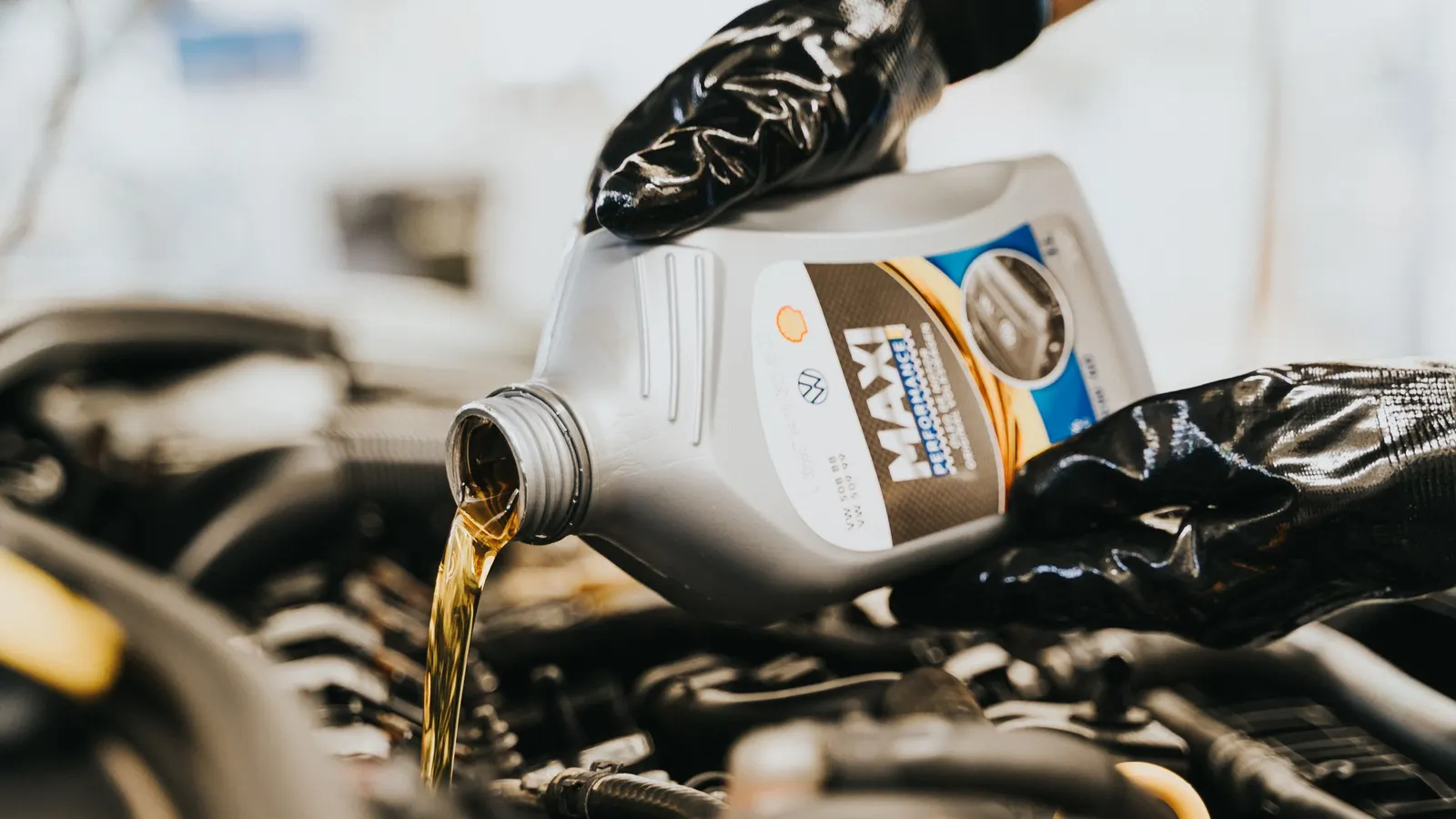
Oil is the lifeblood of a small engine. Many portable generators need an early oil change after a short break-in period, followed by regular changes based on run hours. Check the manual for both numbers. Also check the oil level before every use, because many generators shut down automatically when oil runs low.
Use the oil grade the manual recommends for the temperature range you expect. Cold weather may call for a different grade. During a long outage, you may need to change oil mid-outage, so keep enough oil and a funnel on hand. Always let the engine cool first, and dispose of used oil at a recycling center.

Air filter
The air filter keeps dust and debris out of the engine. A clogged filter starves the engine of air, which reduces power and raises fuel use. Inspect it every few months and after dusty use. Many generators use foam filters that can be washed and lightly oiled, while others use paper elements that must be replaced. Follow the manual’s instructions for your type.
Spark plug
A fouled or worn spark plug causes hard starting and rough running. Check it at the interval in your manual, often once a season. Look for heavy carbon, oil fouling or a worn electrode. Replace it with the exact plug the manufacturer specifies, gapped correctly. Keeping a spare plug and the right socket with the generator is cheap insurance.
Fuel care: the most important generator maintenance task
Stale gasoline is the number one reason generators fail to start. Gasoline begins to degrade within months. As it ages, it can leave gum and varnish that clog the tiny passages in a carburetor. Therefore, fuel care deserves more attention than any other task.
There are three good strategies. First, add fuel stabilizer to gasoline as soon as you buy it, and rotate stored fuel into a car every few months. Second, follow the manual’s advice on running the carburetor dry or draining it before long storage. Third, consider propane. Dual fuel generators can run on propane, which does not go stale. Our dual fuel generator guide explains the trade-offs.
Store gasoline only in approved containers, away from the home and any ignition source. Never store fuel in the living space, and never refuel a hot engine.
Starter battery
Electric-start generators and all standby units rely on a battery. Batteries slowly discharge in storage and weaken with age. Keep portable generator batteries charged with a maintainer, or charge them before storm season. For standby units, the controller usually keeps the battery charged, but technicians should still test it during service. Replace weak batteries before they fail.
Generator maintenance schedule
This sample schedule shows how the tasks fit together. Replace the intervals with those in your owner’s manual.
| When | Portable generator | Standby generator |
|---|---|---|
| Every use | Check oil level, inspect for leaks and damage | Glance at controller status after outages |
| Monthly | Run with a light load; log it | Confirm weekly exercise runs; clear debris |
| Every few months | Inspect air filter; check battery charge | Check enclosure, vents and surrounding clearance |
| Per manual hours or yearly | Change oil; check spark plug | Professional service: oil, filters, plugs, battery test |
| Before storm season | Fresh fuel, full test, spare parts ready | Service visit; propane tank filled if used |
| After a long outage | Oil change; inspect cord and outlets | Service if run hours reached the interval |
Storage between seasons
Good storage makes the next start easy. Clean the generator, change the oil if it is due, and treat or drain the fuel as the manual directs. Then store it in a dry, ventilated place, away from living spaces and fuel-burning appliances. Cover it to keep out dust and pests, but make sure it is cool first.
Before storing, check cords and plugs for damage. Also, note what you used during the last outage, such as extra oil or a spare plug, and replace it. That way, everything is ready next time.
Standby generator maintenance
Standby generators exercise themselves on a schedule set in the controller, often weekly. That keeps the engine lubricated and the battery charged. Even so, standby units need professional service at the interval in the manual, and after long run times. A typical service includes an oil and filter change, spark plug inspection, air filter replacement, battery testing, valve and connection checks, and a load test.
Between visits, homeowners have a few simple jobs. Keep the area around the enclosure clear of snow, leaves and plants. Watch for warning lights during the weekly exercise. If you use propane, keep the tank filled before storm season. Do not open the enclosure, because the unit can start automatically. Our whole house generator guide explains how these systems work.
Storm-season preparation
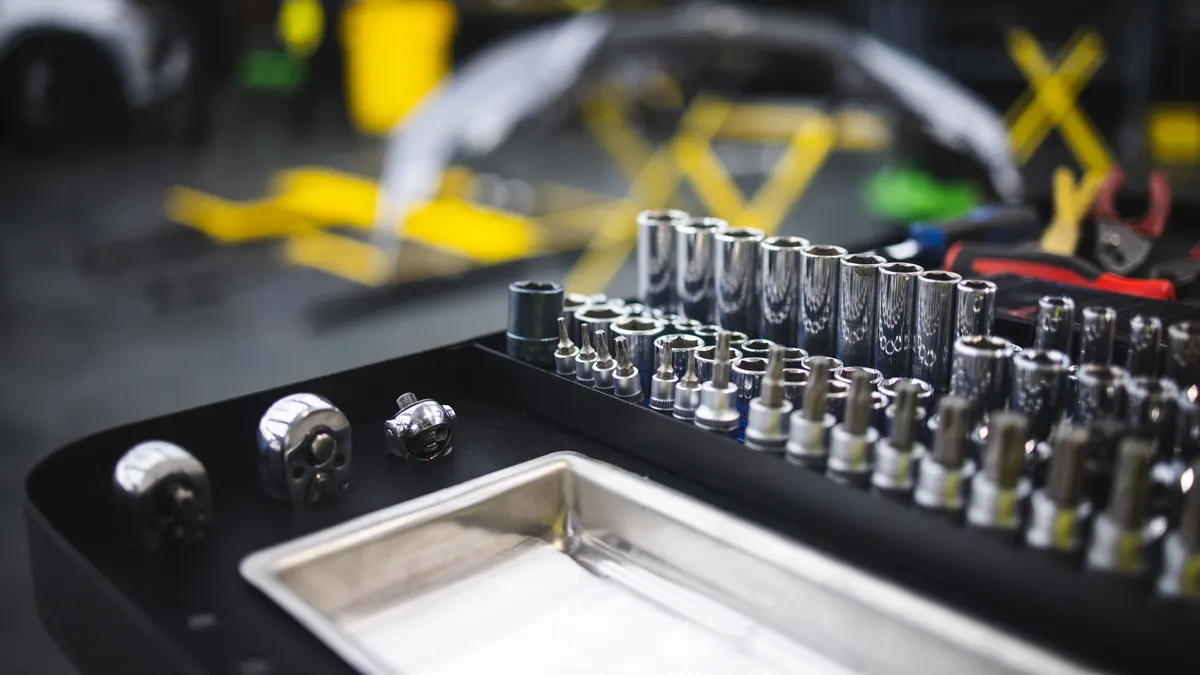
Before hurricane season or winter storms, give the generator a full check. Start with fresh fuel, then run it under a real load for at least half an hour. Test the transfer switch or interlock routine. Inspect cords, the inlet box and the running spot outdoors. Stock oil, a spare spark plug, an air filter, fuel stabilizer and a funnel.
Safety supplies matter just as much. Test carbon monoxide alarms on every level of the home, and replace their batteries if needed. Ready.gov advises using generators outdoors and at least 20 feet away from windows, so plan the spot now. Our printable Power Outage Checklist covers the rest of your outage preparation.
Troubleshooting a generator that will not start
Most no-start problems have simple causes. Work through these checks in order, with the generator outdoors and the engine cool.
- Fuel: is the tank full of fresh fuel, and is the fuel valve open?
- Choke: is it set correctly for a cold start, then opened as it warms?
- Oil: is the level high enough to clear the low-oil shutoff?
- Battery: for electric start, is it charged? Try the recoil starter.
- Spark plug: is it clean, gapped and connected?
- Switches: is the engine switch on and any breaker reset?
If the generator still will not start, stale fuel in the carburetor is the likely culprit. Cleaning a carburetor is a repair many owners prefer to leave to a small-engine shop. In any case, never try to start a generator indoors to diagnose it, even briefly.
When to book a professional generator service
Some jobs belong with trained technicians. Anything involving a standby generator’s electrical system or controller, gas connections, or transfer switch wiring is professional work. Similarly, persistent surging, overheating, burning smells or breakers that trip repeatedly call for a diagnosis. Warranty rules may also require authorized service, so check before you do major work yourself.
A good generator service visit should include a written checklist of what was done, the parts replaced and the next recommended date. Keep those records. They help with warranty claims and resale.
Maintenance during and after a long outage
Long outages put real hours on a generator in a short time. As a result, an oil change that normally happens once a season may come due in the middle of an outage. Check the manual’s interval in run hours, and track hours with the generator’s meter or a simple log. When the interval arrives, shut the generator down, let it cool and change the oil before restarting.
Look over the unit each day during a long outage. Check for loose panels, fuel or oil leaks and debris near the air intake. Inspect cords for heat damage at the plugs. After the outage ends, give the generator a full service: oil, air filter, spark plug check and a cleaning. Then refill your spare parts kit, so you are ready for the next storm.
Keep a simple maintenance log
A log turns good intentions into a habit. Keep a card or notebook with the generator, and write down each monthly run, each oil change and every part you replace. Note the run hours too. Over time, the log shows when service is due and reveals patterns, such as a battery that keeps going flat.
Logs also help with warranties and service visits. A technician can see what was done and when. If you ever sell the home or the generator, a complete log shows buyers the unit was cared for. Many people store a photo of the log on their phone as a backup.
What generator maintenance costs
Owner maintenance on a portable generator costs little. Oil, a spark plug, an air filter and fuel stabilizer are inexpensive, and the work takes minutes. The bigger cost of neglect is a carburetor cleaning or a generator that fails when you need it most.
Standby generators cost more to maintain, because service is usually done by a technician and includes more parts and testing. Dealers may offer yearly plans or charge per visit. Either way, compare what each includes. A thorough generator service with a load test and battery check is worth more than a quick oil change alone.
Safety during maintenance
Maintenance has its own hazards. Always work with the engine off and cool. Disconnect the spark plug wire before working near moving parts. Run the generator only outdoors, even for a quick test, because carbon monoxide builds up quickly in enclosed spaces. The EPA warns that deadly levels can linger even after a generator shuts off. Wipe up spilled fuel and oil, and keep children and pets away.
Generator maintenance checklist
- Run the generator monthly with a light load and log it.
- Check oil before every use; change it on the manual’s schedule.
- Inspect and clean or replace the air filter.
- Check and replace the spark plug as recommended.
- Stabilize, rotate or drain gasoline; consider propane.
- Keep the starter battery charged.
- Store spare oil, a plug, a filter and stabilizer with the generator.
- Book professional service for standby units.
- Test carbon monoxide alarms before storm season.
Supplies worth keeping on hand
A small maintenance kit saves a trip to the store during a storm. Consider fuel stabilizer, a battery maintainer and generator maintenance kits matched to your model. Always buy the parts your owner’s manual specifies. For more on choosing and running a generator, see our guide to choosing a generator for home use and the Backup Generators hub.
Frequently asked questions about generator maintenance
How often should I run my generator?
Most manufacturers recommend running a portable generator for a short period about once a month, ideally with some load connected. Standby generators run an automatic exercise cycle, often weekly, set by the controller.
How often should I change the oil in a generator?
Follow your owner’s manual. Many portable generators call for a first oil change after a short break-in period, then regular changes based on run hours or at least once a season. Long outages can require an oil change during the outage.
How do I store a generator for months?
Follow the manual’s storage steps. Common steps include treating gasoline with stabilizer or draining the carburetor, changing the oil, keeping the unit clean and dry, and charging the starter battery. Never store fuel indoors.
Why won’t my generator start after sitting?
The most common cause is stale gasoline that has gummed the carburetor. A discharged starter battery, low oil shutoff, a fouled spark plug or a closed fuel valve are other common causes.
Do standby generators need maintenance if they exercise weekly?
Yes. The weekly exercise keeps the engine lubricated and the battery charged, but standby generators still need scheduled service such as oil, filters, spark plugs and battery testing, usually by a trained technician.
Sources and how we researched this guide
This guide is research-based. We did not service a specific generator for this article; we summarized the maintenance tasks manufacturers commonly list and applied OSHA, Ready.gov and EPA safety guidance. Your owner’s manual sets the exact intervals for your model. Found something out of date? Tell us and we will check it against the source.
- OSHA: Using portable generators safely (PDF)
- Ready.gov: Power outages
- EPA: Carbon monoxide’s impact on indoor air quality
- American Red Cross: Power outage safety
Keep planning
- Quiet Generator: What Makes a Generator Quiet and How to Compare Noise
- What Size Generator Do I Need? A Step-by-Step Sizing Guide
- Dual Fuel Generator: Gasoline vs. Propane for Home Backup
- Inverter Generator: What It Is and When Your Home Needs One
Go deeper: Backup Generators hub · Home Generator Size Calculator · Transfer Switch Selector
