What Size Generator Do I Need? A Step-by-Step Sizing Guide
“What size generator do I need?” is the most important question in backup power, and the one most often answered with a guess. Buy too small, and the generator stalls the moment your sump pump starts. Buy far too big, and you pay more for the unit, the fuel and the noise. This guide walks you through a simple, reliable method to find the right generator size for your home, with worked examples and the mistakes to avoid.
Last reviewed and updated: October 1, 2026. Written by Jeremy Jarvis.
Key takeaways
- Generator size comes from what you run at the same time, not from the size of your house.
- Add the running watts of every essential load, add about 20 percent headroom, then add the largest single starting surge.
- Size by the generator’s running watts; its starting watts only need to cover the motor surge.
- Central air, electric heat, ranges, dryers and water heaters usually push you toward a standby generator.
You can follow along with our free Home Generator Size Calculator, which uses exactly this method and shows every step. Grab a notepad and a flashlight, because the most accurate numbers are printed on your appliances.
Two numbers every generator has
Every generator lists two ratings. The running watts, also called rated watts, are what it can deliver continuously. The starting watts, also called surge or peak watts, are what it can deliver for a moment while a motor starts. Your appliances have two numbers as well: what they draw while running, and what motors need for a second or two to start.
Sizing means matching both pairs. The total running load must fit within the generator’s running watts. Meanwhile, the extra surge from the largest motor must fit within the generator’s starting watts. Most sizing mistakes come from confusing these numbers, especially from treating the big starting figure on the box as the generator’s capacity.
Step 1: List what you must run at the same time
Start with a list, not a generator. Walk through the house and write down everything you would want during an outage. Then mark the items that must run at the same time. Typical essentials include the refrigerator, a freezer, a sump pump, the furnace blower or boiler, a well pump, internet equipment, phone and laptop charging, some lights and perhaps a microwave or television.
Be honest about comfort items. A window air conditioner, a coffee maker or a space heater might be nice, but each one raises the generator size. You can always run some loads in turns instead of all at once.
Step 2: Find and add the running watts
Next, find the running watts for each item. Check the label inside the door or on the back, or look in the owner’s manual. If a label shows only amps, multiply amps by volts to estimate watts. For example, a device rated 5 amps at 120 volts draws about 600 watts. Then add up the running watts of everything you marked.
When you cannot find a label, typical figures from generator makers’ wattage guides are a reasonable starting point. We list some in the table below. Even so, your own appliances may differ, especially older motors.
Step 3: Add headroom
A generator running at its limit works hard, gets loud and burns more fuel. It also has no room for a load you forgot. Therefore, add headroom of about 20 percent to your running total. If your list totals 4,000 running watts, 20 percent headroom brings it to 4,800. That figure is the minimum running rating to look for.
Step 4: Add the largest starting surge
Motors need a brief surge to start. Refrigerators, freezers, sump pumps, well pumps, furnace blowers and air conditioners all have one. Find the extra starting watts for each, meaning starting watts minus running watts. Then take only the largest one and add it to your running total.
Why only the largest? Because motors rarely start at the exact same moment. You can help by switching big motor loads on one at a time when you start the generator. The result is the minimum starting rating you need. Our calculator does this automatically and names the appliance that sets the surge.
Step 5: Choose what size generator to buy
Now you can answer what size generator to buy by comparing your two numbers with real generators. Look for a running rating at or above your running-plus-headroom figure, and a starting rating at or above your running-plus-surge figure. If you plan to use propane on a dual fuel model, use the propane ratings, which are usually lower. Our dual fuel generator guide explains why.
Then think about connection. If you need to power hardwired loads such as a furnace blower or well pump, the generator also needs a suitable 240-volt outlet for a transfer switch or interlock. Read our generator transfer switch guide before you buy.
Typical appliance wattage for generator sizing
These typical figures come from generator manufacturers’ wattage guides. Use them only when you cannot find your own appliance’s numbers.
| Appliance | Typical running watts | Typical starting watts |
|---|---|---|
| Refrigerator | About 700 | About 2,200 |
| Chest freezer | About 500 | About 1,500 |
| Sump pump, 1/2 HP | About 1,050 | About 2,150 |
| Furnace blower, 1/2 HP | About 800 | About 2,350 |
| Well pump, 1 HP | About 2,000 | Often 4,000 or more |
| Microwave | About 1,000 | No extra surge |
| LED lights, several rooms | About 200 | No extra surge |
| Wi-Fi router and modem | About 20 | No extra surge |
| Television | About 150 | No extra surge |
What size generator for essentials with gas heat
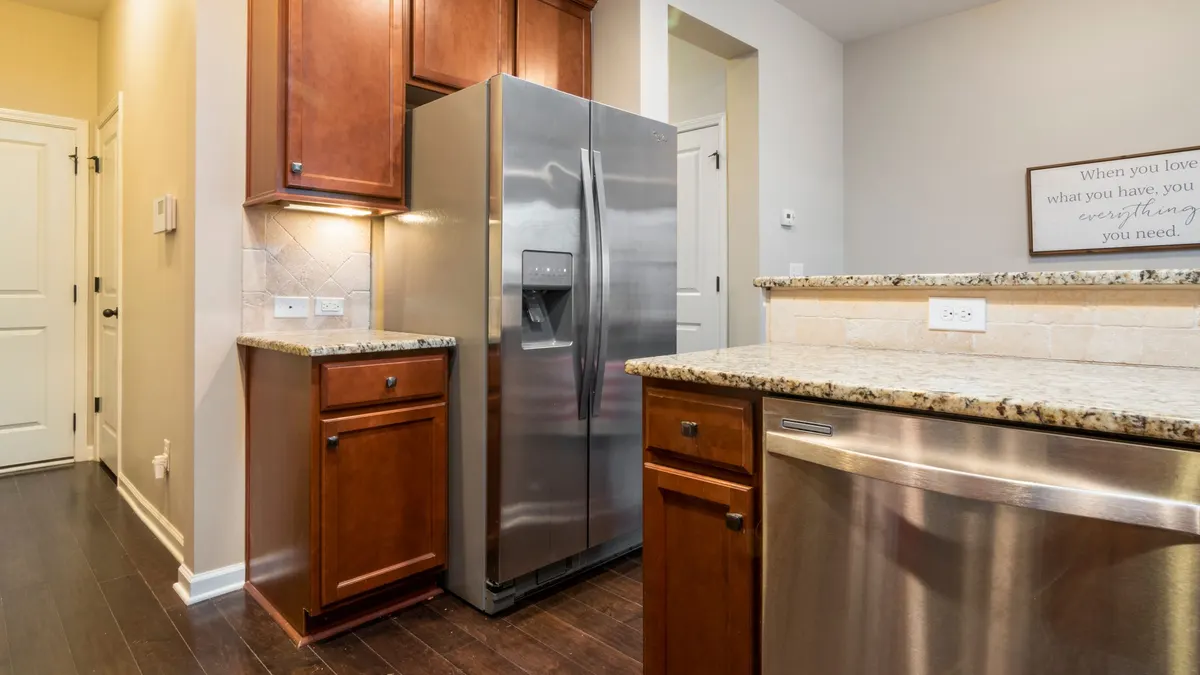
Let’s size a typical home with gas heat and a basement sump pump. The essentials are a refrigerator, a half-horsepower sump pump, the furnace blower, LED lights, internet, device charging, a television and a microwave. Using the typical figures, the running watts add up to about 4,020.
With 20 percent headroom, that becomes about 4,820, which we round up to 4,900 running watts. Next, find the largest extra surge. The furnace blower’s starting watts exceed its running watts by about 1,550, which is more than the fridge or sump pump. So the starting need is about 4,020 plus 1,550, or roughly 5,600 starting watts. In short, this home needs a generator with at least 4,900 running watts and 5,600 starting watts.
What size generator for a well pump
Now imagine the same home on a private well with a one-horsepower pump. The pump adds about 2,000 running watts, so the running total rises to about 6,020, or roughly 7,300 with headroom. More importantly, the well pump’s starting surge is often the largest in the house. As a result, the starting requirement may jump well above 8,000 watts. Check the pump’s actual horsepower, voltage and starting figures, because they vary widely.
Well pumps also usually run on 240 volts. Therefore, the generator must offer a 240-volt outlet, and the transfer switch or interlock must support it. This is a common reason homes on wells choose larger portables or standby units.
What size generator for central air conditioning
Central air changes the picture completely. A typical central air conditioner draws thousands of running watts and needs a large surge to start. Add that to the essentials, and most homes move beyond portable generators into standby territory. For many, a standby generator around 14 kilowatts or larger becomes the practical answer. Our whole house generator guide explains how standby units and load management handle air conditioning.
Some homeowners add a soft-start device to the air conditioner, which can reduce its starting surge. Ask your HVAC contractor whether that suits your system before relying on it.
Why house size is a poor guide
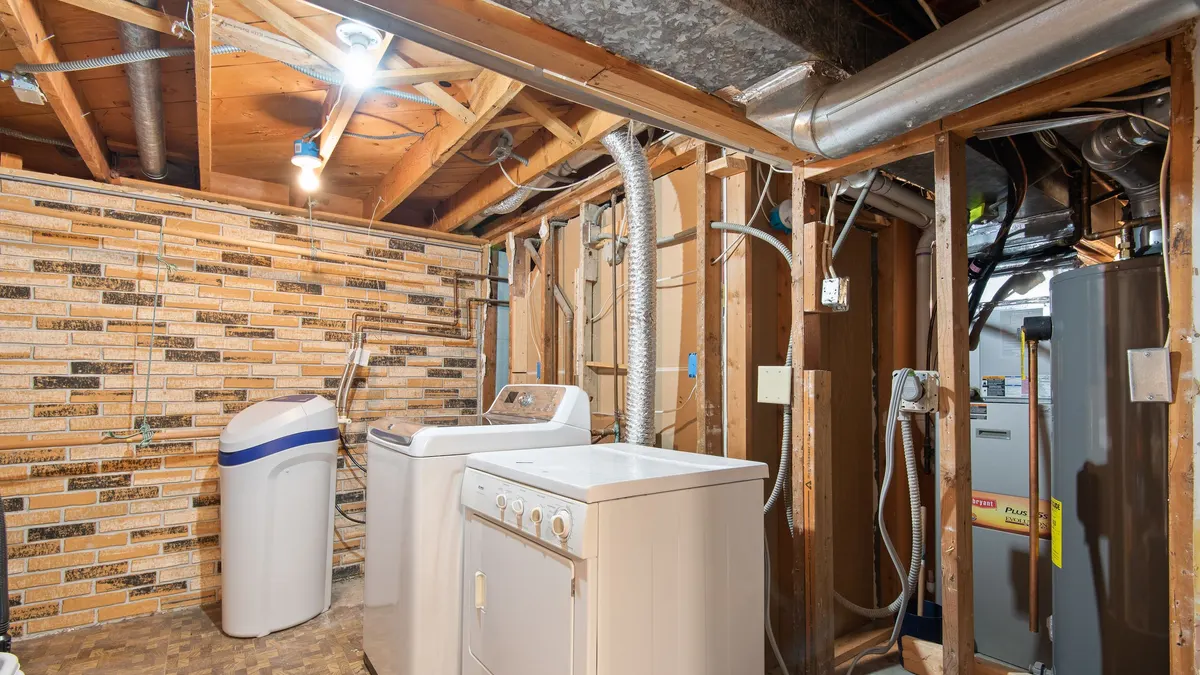
Many sizing charts start with square footage. That shortcut is unreliable. A large home with gas heat, a gas water heater and no well may need less generator than a small home with electric heat and a well pump. In other words, appliances decide generator size, not floor area. Always start from your load list.
240-volt loads and balancing
Generators with 240-volt outlets split their output across two 120-volt legs. When you power a home through a transfer switch or interlock, the 120-volt loads should be spread across both legs. Otherwise, one leg can overload while the generator still has spare capacity. A licensed electrician can arrange circuits to balance the load. This detail rarely matters for small setups, but it matters as you approach the generator’s limit.
Altitude, heat and fuel
Engines make less power at high altitude and in high heat, because the air is thinner. Many manufacturers publish derating guidance, often a few percent per thousand feet above a reference altitude. If you live in the mountains, check the manual and size up accordingly. Fuel matters too, as propane ratings are usually lower than gasoline ratings on the same engine.
Measure instead of guessing
Labels and charts get you close, but measuring gets you closer. A plug-in energy meter shows the real draw of anything that plugs into a standard outlet, such as a refrigerator, freezer or television. Leave it connected for a day to see how often the compressor cycles. For hardwired loads, a licensed electrician can measure current with a clamp meter while the appliance runs and starts.
Measuring often shrinks the answer to “what size generator do I need?” For example, many modern refrigerators draw far less than older charts suggest once they are running. On the other hand, an aging well pump may draw more than its label. Either way, real numbers help you avoid paying for capacity you do not need, or buying a generator that cannot start your pump.
Plan for the loads you will add later
Think a few years ahead before you decide. Are you planning to finish the basement, add a chest freezer, or replace a gas furnace with a heat pump? Each change affects what size generator makes sense. In particular, switching to electric heat can raise winter loads dramatically, which may push you toward a standby generator or a different backup plan.
Electric vehicles are another example. An EV charger is one of the largest loads in a home, and most portable generators should not run one. If you drive electric, plan to charge before storms rather than during outages. Our EV charging hub explains home charging circuits.
What size generator if you rent or live in a condo?
Renters and condo owners face different limits. Often, you cannot install a transfer switch, and you may not have a safe place to run a generator at least 20 feet from openings. In that case, a portable power station is usually the better answer. It runs silently indoors, needs no fuel and can keep a refrigerator, internet and lights going for a time. Our Home Power Station Selector sizes one from your device list.
If you do have outdoor space and permission, a small inverter generator with extension cords can recharge a power station during long outages. Check building rules and lease terms first, because many prohibit fuel storage indoors.
Common generator sizing mistakes
The most expensive mistake is using starting watts as capacity. A box may advertise a big peak number, but the running rating is what keeps your fridge and pump going. Another mistake is forgetting the well pump or using its running watts only. Similarly, many people forget that a furnace blower needs power even with gas heat.
Other mistakes include ignoring 240-volt needs, sizing by square footage, and assuming you will run everything at once. A little planning, such as staggering big loads, often lets a smaller generator do the job. Finally, do not skip the connection plan. The right size generator still needs a safe way to reach your hardwired circuits.
What size generator checklist
- List the essentials you must run at the same time.
- Write down each item’s running watts from its label.
- Add about 20 percent headroom to the running total.
- Find the largest extra starting surge and add it.
- Compare with the generator’s running and starting ratings.
- Use propane ratings if you will rely on propane.
- Check altitude derating if you live at elevation.
- Confirm a 240-volt outlet if you need a transfer switch or well pump.
Next steps
Run your own list through the Home Generator Size Calculator to confirm the generator size you need. Then read our guide to choosing a generator for home use to pick between portable, inverter and standby types. When you are ready to compare models, browse current large portable generators and 240-volt inverter generators, and confirm ratings on the manufacturer’s site.
Frequently asked questions about generator sizing
What size generator do I need to run my house?
It depends on what you run at the same time. Essentials such as a refrigerator, sump pump, furnace blower, lights and internet often fit within roughly 5,000 to 7,500 running watts with headroom. Running central air and most of the home usually takes a standby generator of about 14 kilowatts or more.
Is a 5,000 watt generator enough for a house?
A 5,000 watt generator can run many essentials if you manage loads and start motors one at a time. It will not run central air, an electric range, an electric water heater or an electric dryer along with everything else.
How many watts does a refrigerator need on a generator?
Generator makers’ wattage guides commonly list a refrigerator at roughly 700 running watts and about 2,200 starting watts. Your model may differ, so check its label or measure it.
What is the difference between running and starting watts?
Running watts are what an appliance draws continuously. Starting watts are the brief extra power a motor needs to start, often two to three times its running watts for a second or two.
Should I buy a bigger generator than I need?
Some headroom is wise, about 20 percent, so the engine is not running at its limit and you can add a load later. Going far larger than needed raises the price, fuel use and noise without much benefit.
Sources and how we researched this guide
This guide is research-based. The appliance wattages are typical figures from manufacturers’ wattage guides, not measurements of any particular appliance, and the method matches the one built into our free Home Generator Size Calculator. Always use the numbers on your own appliance labels. Found something out of date? Tell us and we will check it against the source.
- Ready.gov: Power outages
- OSHA: Using portable generators safely (PDF)
- ENERGY STAR: Refrigerators
- American Red Cross: Power outage safety
Keep planning
- Quiet Generator: What Makes a Generator Quiet and How to Compare Noise
- Generator Maintenance: A Simple Schedule That Keeps It Ready
- Dual Fuel Generator: Gasoline vs. Propane for Home Backup
- Inverter Generator: What It Is and When Your Home Needs One
Go deeper: Backup Generators hub · Home Generator Size Calculator · Transfer Switch Selector
