Generator for Home: How to Choose the Right Backup Generator

A generator for home backup is still the most practical way to keep a refrigerator, sump pump, furnace blower and lights running through a multi-day outage. However, the right choice depends on what you need to power, how often you lose power and how much you want to spend. This guide explains the main types, how to size a home backup generator from your own appliances, and how to connect and run it safely.
Last reviewed and updated: October 1, 2026. Written by Jeremy Jarvis.
Key takeaways
- Size a generator for home use from the appliances you must run at the same time, plus the largest motor starting surge.
- Portable generators are the lowest-cost option, inverter models are quieter with cleaner power, and standby units start automatically.
- Connect to home wiring only through a transfer switch or listed interlock installed by a licensed electrician.
- Run it outdoors only, at least 20 feet from the house, with battery-backed carbon monoxide alarms inside.
Before you shop, it helps to separate two questions. First, how much power do you need at once? Second, how will that power reach your appliances? Most expensive mistakes come from guessing the first answer or skipping the second.
Types of generator for home backup
There are three broad families of home generator. Each one trades cost, convenience, noise and output differently, so it is worth understanding them before comparing models.
Conventional portable generators
Open-frame portable generators give the most watts per dollar. As a result, they are the usual choice for running essentials through a transfer switch or interlock. They are loud, they must run outdoors, and their power is fine for most appliances. Some models also publish low total harmonic distortion, which matters for sensitive electronics.
Inverter generators
Inverter generators convert the engine’s output into clean, stable power and throttle down at light loads. Because of that, they are quieter and more fuel-efficient when you only need a few hundred watts. Most inverter models top out at a few thousand watts, although larger ones now rival conventional portables. Read our inverter generator guide for the details.
Whole-house standby generators
Standby generators are installed permanently outside and run on natural gas or propane. When the grid fails, an automatic transfer switch starts the engine and moves your circuits over within seconds. Consequently, they are the most convenient home backup generator, and also the most expensive once installation and permits are included. See how a whole house generator works.
Comparing your options at a glance
| Type | Typical use | Fuel | Starts | Main trade-off |
|---|---|---|---|---|
| Conventional portable | Essentials through a transfer switch or interlock | Gasoline, some dual fuel | Manual | Loud; needs outdoor setup and refueling |
| Inverter portable | Electronics, lighter loads, quieter use | Gasoline, some dual fuel | Manual | Higher cost per watt |
| Dual fuel portable | Essentials with longer fuel storage | Gasoline or propane | Manual | Less output on propane |
| Standby (whole house) | Automatic coverage, often the whole home | Natural gas or propane | Automatic | Highest installed cost |
| Battery or power station | Quiet indoor essentials | Grid or solar charging | Instant | Limited stored energy |
Batteries are not generators, but they compete for the same job. Therefore, we include them so you can compare honestly. Our home batteries hub explains when they win.
How to size a generator for home use
Sizing is where most buyers go wrong. A generator has two ratings. The running (rated) watts are what it can supply continuously. The starting (surge) watts are what it can deliver for a moment while a motor starts. Your appliances also have two numbers. For example, a refrigerator compressor may run at a few hundred watts but need two to three times that for a second as it starts.
To size a generator for your house, follow three steps:
- List everything you need to run at the same time, with each item’s running watts from its label or manual.
- Add up the running watts, then add some headroom, about 20 percent, so the engine is not working flat out.
- Find the single largest extra starting surge among your motors and add it to the running total.
Only the largest surge is added, because motors rarely start at the same instant. Meanwhile, you can help by switching big loads on one at a time when power comes up. Our free Home Generator Size Calculator does this math and shows every step.
A worked sizing example
Here is a worked example using typical figures from manufacturers’ wattage guides. A refrigerator, half-horsepower sump pump, furnace blower, LED lights, internet, device charging, television and microwave add up to about 4,020 running watts. With 20 percent headroom, that rounds up to roughly 4,900 running watts. The furnace blower has the largest extra surge at about 1,550 watts, so the starting requirement is about 5,600 watts. In other words, a large portable generator connected through a transfer switch would cover this home’s essentials.
Two loads change the picture completely. Central air conditioning and electric water heaters, ranges or dryers need far more power. If you want to run them, you are usually looking at a standby generator, or you need to leave them off during outages. For a deeper walk-through, read what size generator do I need.
Typical appliance wattage for a home generator
The figures below are typical values from manufacturers’ wattage guides, not measurements of your appliances. Always check your own labels, because older motors and larger appliances can draw much more.
| Appliance | Typical running watts | Typical starting watts |
|---|---|---|
| Refrigerator | About 700 | About 2,200 |
| Sump pump, 1/2 HP | About 1,050 | About 2,150 |
| Furnace blower, 1/2 HP | About 800 | About 2,350 |
| Microwave | About 1,000 | No extra surge |
| LED lights, several rooms | About 200 | No extra surge |
| Wi-Fi router and modem | About 20 | No extra surge |
Fuel, runtime and storage
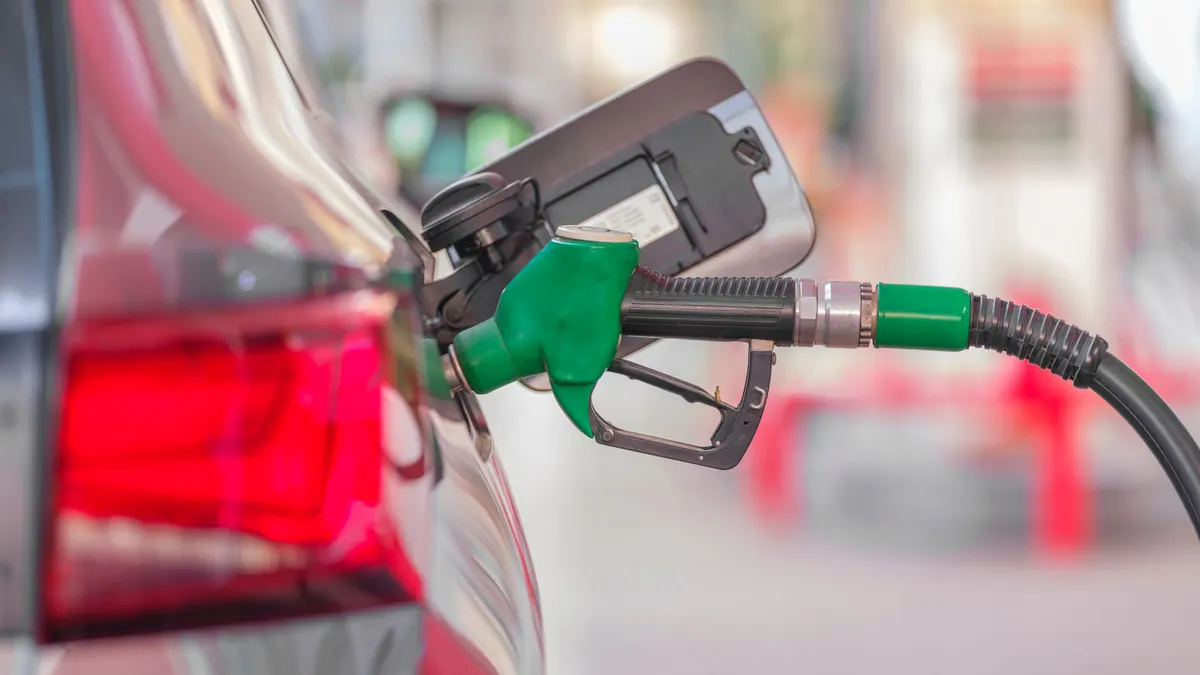
Runtime depends on the load, the tank size and the fuel. Manufacturers usually publish runtime at a stated load, such as 25 or 50 percent. As a result, a generator that runs most of a day at a light load may run only a few hours near its limit. Plan how many days you want to cover, and how much fuel that means, before you buy.
Gasoline is easy to find but goes stale within months unless you add stabilizer and rotate it. Also, gas stations may lose power in a regional outage, so keep a safe reserve. Propane stores for years in cylinders and burns cleaner, although a dual fuel generator produces somewhat less power on propane. Read our dual fuel generator guide for the trade-offs. Natural gas, used by most standby units, runs as long as the utility supplies it.
Store fuel in approved containers, away from living spaces and any ignition source. Additionally, let the engine cool before refueling, because spilled gasoline on a hot engine can ignite. OSHA’s portable generator guidance lists fire from refueling as one of the main hazards.
Connecting a generator to your house safely
There are only three safe ways to get generator power to your appliances. The simplest is heavy-duty outdoor extension cords, rated for the load, running from the generator to individual appliances. This works for a refrigerator, a few lamps and chargers, but not for hardwired loads such as a furnace blower or well pump.
For hardwired circuits, you need either a transfer switch or a generator interlock kit installed by a licensed electrician. A manual transfer switch powers a pre-selected set of circuits through a small sub-panel. By contrast, an interlock kit lets you use your main panel, while mechanically preventing the main breaker and the generator breaker from being on together. Our generator transfer switch guide and interlock kit guide compare them, and the Transfer Switch Selector suggests which usually fits.
What you must never do is backfeed the house through a wall or dryer outlet with a double-male cord. That shortcut can energize the utility lines outside your home, which endangers line workers, and it can start a fire inside. It is also illegal in most places.
Generator safety: carbon monoxide comes first
Carbon monoxide is colorless and odorless, and generator exhaust produces a lot of it. The CDC advises never using a generator inside a home, basement, garage, crawlspace or shed, and never less than 20 feet from a window, door or vent. Opening doors or windows does not provide enough ventilation. Similarly, the Consumer Product Safety Commission warns that portable generators are one of the leading causes of carbon monoxide deaths after storms.
Install battery-powered or battery-backup carbon monoxide alarms on every level of the home and outside sleeping areas. In addition, the CPSC advises choosing a portable generator that shuts off automatically when carbon monoxide builds up. Models certified to the PGMA G300-2018 or UL 2201 safety standards include that protection.
Keep the generator dry and on a level surface. Many manufacturers sell or recommend a running cover for rain and snow. Finally, never touch a generator with wet hands, and keep children and pets away while it runs.
What a generator for home use costs
Costs fall into three layers: the generator, the connection and the running costs. Portable generators span a wide range by output and features, and inverter models cost more per watt. Then add the connection. Extension cords are cheap, while a transfer switch or interlock kit plus a licensed electrician and permit is a bigger but worthwhile investment.
Standby generators cost the most because the price includes the unit, an automatic transfer switch, a pad, gas and electrical work, and permits. Get at least three itemized quotes, and compare what each one includes. Our whole house generator cost guide breaks down each line item. Running costs include fuel, oil, filters, spark plugs and, for standby units, annual service.
Matching a home backup generator to common setups
Every home is different, so numbers on a box only go so far. Still, a few common setups show how the sizing logic plays out in practice. Use them as starting points, then run your own list through the calculator.
Essentials only, gas heat
This is the most common case. You want the refrigerator, a chest freezer, the furnace blower, internet, phone charging and some lights. In addition, many basements need a sump pump. That list usually lands between 3,500 and 5,000 running watts with headroom. Therefore, a mid-size portable or a larger inverter generator often covers it. The furnace blower is hardwired, so plan a transfer switch or interlock rather than cords.
Essentials plus a well pump
Homes on a private well add a pump that can have a large starting surge. As a result, the starting watts often decide the size, not the running total. Check the pump’s horsepower and voltage. Many deep well pumps run on 240 volts, which means the generator needs a 240-volt outlet and a transfer switch that supports it. An electrician can confirm the pump’s real draw.
Most of the house, including central air
Central air is the load that changes everything. A typical central air conditioner needs thousands of watts to run and a large surge to start. Consequently, homes that want air conditioning during summer outages usually move to a whole house standby generator. Some owners add a soft-start device to the air conditioner, which can reduce the starting surge. Ask your HVAC contractor whether that suits your unit.
Short outages and quiet nights
If most outages last a few hours, a generator may be more than you need. In that case, a large power station can run the refrigerator, internet and lights silently indoors. Then a small generator can recharge it during long outages. This hybrid plan suits townhomes and neighborhoods with noise rules.
Noise, neighbors and local rules
Generator noise matters more than most buyers expect. You may run it for days, often at night, and close to a neighbor’s bedroom. Inverter generators are usually the quietest portables, because they slow the engine at light loads. Open-frame models tend to be louder. Compare decibel ratings only when they are measured at the same distance and load.
Check local rules before an outage, too. Some towns and homeowners associations limit generator placement, running hours or permanent installations. Also, the safe distance from doors and windows can conflict with tight lot lines. Plan the spot now, when you can measure calmly, rather than during a storm. Our quiet generator guide explains how decibel ratings work.
Cold weather, storage and the first start
Winter outages bring their own problems. Cold engines can be hard to start, and oil thickens in low temperatures. For that reason, check whether your owner’s manual recommends a different oil grade for winter. Keep the generator dry and sheltered between uses, but never run it in that shelter.
Before the first real outage, do a full test. Add oil, add fresh fuel and start it. Then plug in a real load for at least twenty minutes. This step finds missing parts, weak pull cords and dead starter batteries while stores are open. After that, start it monthly and keep a log. A home backup generator that starts every month is far more likely to start during a storm.
Finally, think about theft and storage. Portable generators are valuable and in high demand after storms. A locking chain and a bright light near the running spot help. Similarly, store fuel cans locked and away from the house.
Where to compare home generators
Once you know your running and starting watts, compare any generator for home use that meets both numbers with some margin. A home backup generator with a little spare capacity runs cooler and quieter. Check the rated watts on the fuel you plan to use, the noise rating at a stated distance, the runtime at 25 and 50 percent load, and whether the unit includes a carbon monoxide shutoff. You can browse current options here: portable generators with CO shutoff, inverter generators and transfer switch kits. Prices and specifications change often, so confirm them on the manufacturer’s site.
Home generator buying checklist
Use this checklist before you buy, and again before storm season.
- List the appliances you must run at the same time, with running and starting watts.
- Calculate running watts plus headroom and the largest starting surge.
- Choose portable, inverter, dual fuel or standby based on outages, noise and budget.
- Plan the connection: cords, transfer switch or interlock, installed by a licensed electrician.
- Pick a safe outdoor spot at least 20 feet from doors, windows and vents.
- Install battery-backed carbon monoxide alarms on every level.
- Store fuel safely and rotate it, or plan propane or natural gas.
- Buy oil, a spare spark plug and a running cover before you need them.
- Start and load-test the generator monthly.
Mistakes to avoid with a home generator
The most common mistake is buying by the big number on the box. Starting watts are not capacity, so size by running watts. Another mistake is forgetting the connection, which leaves a new generator with no safe way to power a furnace or well pump. Equally risky is running a generator in an attached garage “just for a minute,” which is exactly how many carbon monoxide deaths happen.
Finally, do not let a generator sit unused for a year. Fuel goes stale, batteries discharge and carburetors gum up. Follow our generator maintenance schedule so it starts when you need it.
Is a generator for home backup right for you?
A generator makes the most sense if you lose power for many hours or days at a time, if you have a sump pump or well pump, or if you need heat in winter. On the other hand, if outages are short and rare, a battery or power station for essentials may be enough. Many households combine both: a battery for quiet overnight power and a generator for long outages. Not sure which fits? The free Home Power Plan Builder asks six questions and builds a step-by-step plan, and our Backup Generators hub links every guide in this series.
Frequently asked questions about choosing a generator for home
What size generator for home use do most people need?
Many homes can run essentials such as a refrigerator, sump pump, furnace blower, lights and internet on roughly 5,000 to 7,500 running watts. Whole-house coverage with central air usually needs a standby generator of about 14 kilowatts or more. Your own appliance labels decide the real number.
Is a portable or standby generator better for a house?
A portable generator costs far less and works well for essentials if you can set it up outdoors and refuel it. A standby generator costs much more installed but starts automatically and runs on natural gas or propane, which suits frequent or long outages and homes where nobody can set up a portable unit.
Can I plug a generator into a wall outlet?
No. Plugging a generator into a wall or dryer outlet backfeeds the house wiring and can energize utility lines, which can injure or kill line workers and start fires. Use extension cords to individual appliances, or a transfer switch or interlock installed by a licensed electrician.
How far from the house should a generator be?
The CDC advises running a generator at least 20 feet from the home, with the exhaust pointed away from doors, windows and vents. Never run one inside a home, garage, basement, crawlspace or shed, even with doors open.
How long can a home generator run?
A portable generator runs until its tank is empty, often several hours to more than half a day at partial load depending on the model, and it can be refueled after it cools. A standby generator on natural gas can run as long as gas is supplied, but it still needs oil checks during very long outages.
Sources and how we researched this guide
This guide is research-based. We did not test the generators described here; we compared official safety guidance from the CDC, the Consumer Product Safety Commission and OSHA with manufacturers’ published wattage and runtime conventions, and we explain the sizing math so you can check it with our free calculator. Found something out of date? Tell us and we will check it against the source.
- CDC: Carbon monoxide poisoning basics
- CPSC: Generator, carbon monoxide and fire hazards (2026)
- OSHA: Using portable generators safely (PDF)
- Ready.gov: Power outages
- American Red Cross: Power outage safety
- CDC: What to do during a power outage
Keep planning
- Quiet Generator: What Makes a Generator Quiet and How to Compare Noise
- Generator Maintenance: A Simple Schedule That Keeps It Ready
- What Size Generator Do I Need? A Step-by-Step Sizing Guide
- Dual Fuel Generator: Gasoline vs. Propane for Home Backup
Go deeper: Backup Generators hub · Home Generator Size Calculator · Transfer Switch Selector
