
Generator Transfer Switch: Types, Sizing and Safe Installation
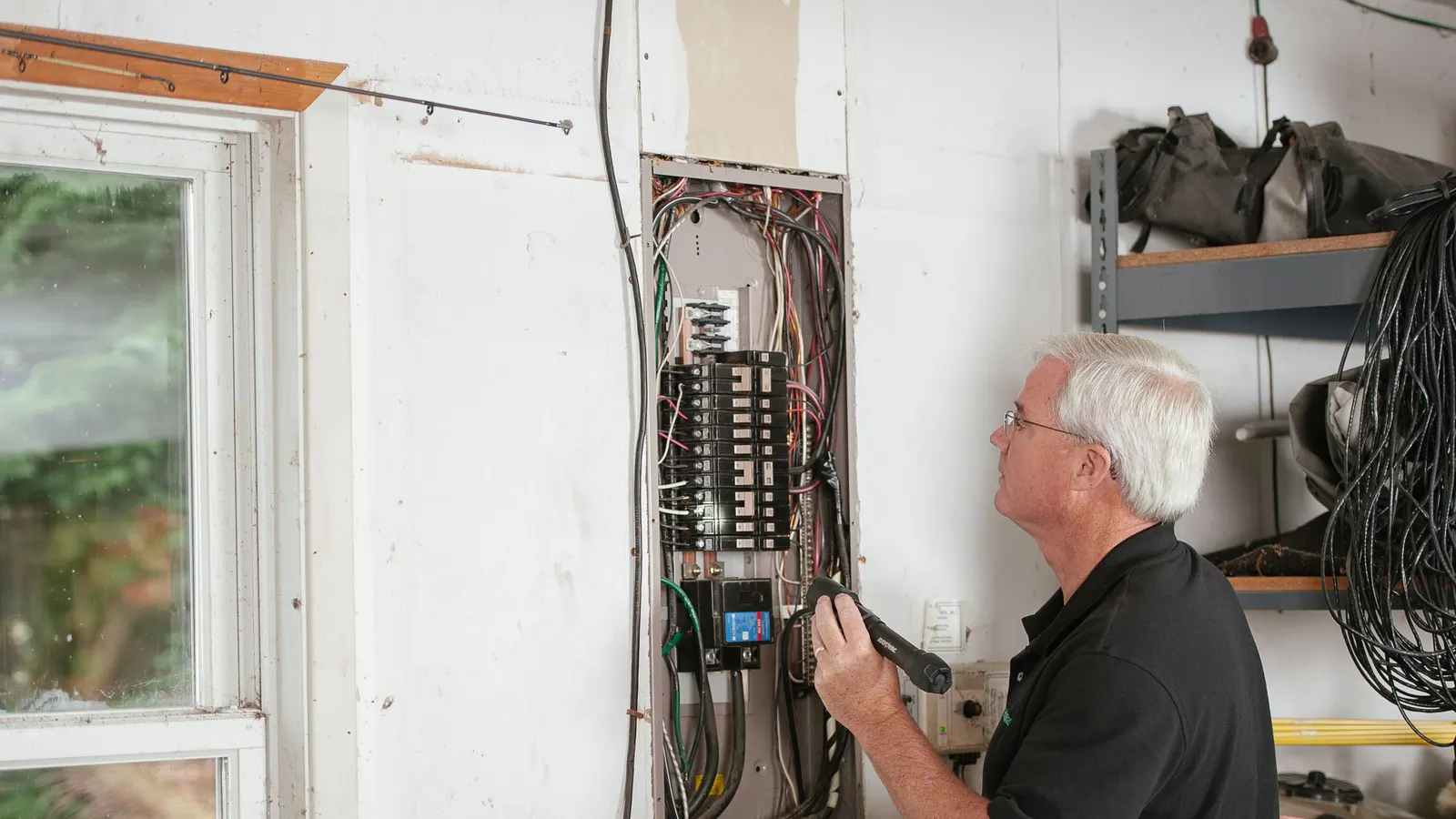
A generator transfer switch is the safe bridge between a backup generator and your home’s wiring. It disconnects the house from the utility before it connects the generator, so power can never flow back onto the grid. With the right switch, a portable or standby generator can run a furnace blower, well pump, lights and outlets directly, without extension cords snaking through windows. This guide explains the types of transfer switch, how to size one, and what a safe installation involves.
Last reviewed and updated: October 1, 2026. Written by Jeremy Jarvis.
Key takeaways
- A generator transfer switch disconnects your home from the grid before it connects the generator, which prevents dangerous backfeed.
- Manual switches suit portable generators and selected circuits; automatic switches start and switch standby generators on their own.
- Match the switch, inlet and cord to your generator’s output and plug type, and choose circuits within its running watts.
- Installation is work for a licensed electrician, usually with a permit and inspection.
We will also compare a manual transfer switch with an interlock kit, the other common option, and show when each generator transfer switch type makes sense. By the end, you will know what to ask an electrician and how to use the switch during an outage.
What a generator transfer switch does
Your home normally receives power from the utility through the main panel. During an outage, you want generator power to feed some or all of the same circuits. However, the two sources must never be connected at the same time. A transfer switch enforces that rule mechanically. In one position, selected circuits draw from the utility. In the other, they draw from the generator. There is no position where both connect.
Because of that design, the switch protects three groups at once. First, it protects utility line workers from backfeed. Second, it protects your generator from damage when grid power returns. Third, it protects your home’s wiring from overloads, because each circuit stays on its own breaker.
Why backfeeding through an outlet is dangerous
Some people try to power a house by plugging a generator into a dryer or wall outlet with a double-male cord. This is called backfeeding, and it is dangerous. The generator’s power flows through the panel and out to the utility lines. As a result, the transformer outside can step that voltage up to thousands of volts on lines that crews believe are dead.
Backfeeding also bypasses the protections in your panel. If the utility restores power while the generator is connected, the two sources can collide, damaging the generator and starting fires. OSHA’s portable generator guidance lists shock and electrocution from improper connections as a main hazard. Therefore, a transfer switch or listed interlock is the only safe way to power home circuits.
Manual transfer switch
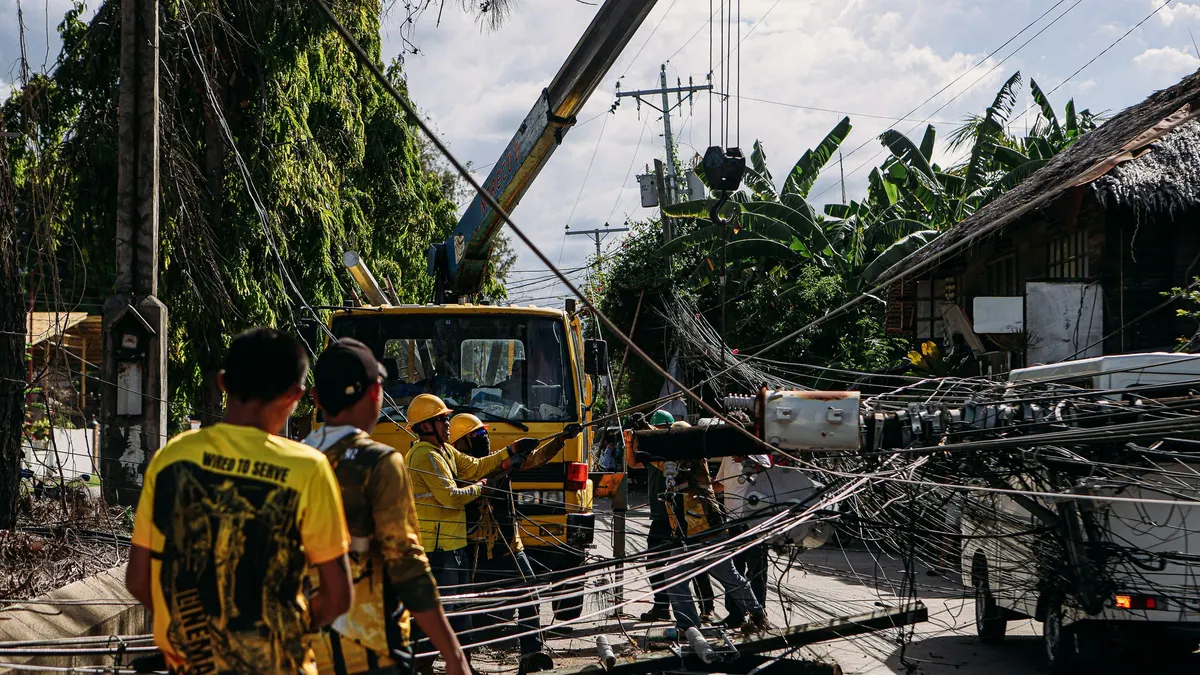
A manual transfer switch is the most common choice for portable generators. It is usually a small sub-panel mounted next to the main panel. An electrician moves a selected group of circuits, often six to ten, from the main panel into the switch. Each circuit gets its own selector, so you can choose utility, off or generator for each one.
During an outage, you set up the generator outside, connect it to a power inlet box with a matching cord and start it. Then you move the selectors to generator, one circuit at a time. When power returns, you switch back and shut down the generator. The process takes a few minutes, and it keeps you in control of which loads run.
The main advantage is simplicity. You choose the essential circuits once, during installation, so you cannot accidentally overload the generator with the whole house. On the other hand, circuits outside the switch cannot run on generator power at all, so choose them carefully.
Automatic transfer switch
An automatic transfer switch is used with standby generators. It monitors utility voltage continuously. When the power fails, it signals the generator to start, waits for the engine to stabilize, and then moves the load. Afterward, when utility power returns and stays steady, it switches back and lets the generator cool down and stop.
Automatic switches come in two broad styles. Whole-service switches move the entire home, often with load management modules to keep big appliances from overloading the generator. Circuit-level switches move a selected group, much like a manual switch but without anyone flipping selectors. Read our whole house generator guide for how these systems are sized.
Some automatic switches also work with large portable generators that have electric start. However, most homeowners pair automatic switches with permanently installed standby units, because the generator must be ready to start at any moment.
Generator transfer switch types compared
| Option | Best for | How you use it | Trade-off |
|---|---|---|---|
| Manual transfer switch | Portable generators, selected circuits | Start generator, connect inlet, flip selectors | Only pre-wired circuits can run |
| Automatic transfer switch | Standby generators | Nothing; it starts and switches on its own | Higher cost; needs a standby unit |
| Generator interlock kit | Portable generators, flexible circuit choice | Switch off main, switch on generator breaker, manage breakers | Must be listed for your panel; you manage loads |
| Extension cords only | A few plug-in appliances | Run cords from generator to appliances | No hardwired loads such as furnaces or well pumps |
Not sure which fits your setup? The free Transfer Switch Selector asks four questions and explains which option usually fits, along with the reasons.
Sizing a transfer switch to your generator
Sizing a generator transfer switch starts with the generator’s outlet. Many portable generators provide a 30-amp or a 50-amp twist-lock outlet for transfer switches. The switch, the inlet box and the cord should all match that rating. For example, a generator with a 30-amp, 240-volt outlet pairs with a 30-amp switch, a 30-amp inlet and a 30-amp cord.
Next, look at the loads. The total running watts on the selected circuits must stay within the generator’s rated output. Meanwhile, motor loads add a starting surge, so the generator must handle the largest one. Our Home Generator Size Calculator adds these up from your appliance list. If the numbers do not fit, either choose fewer circuits or a larger generator.
Voltage matters too. Some essential loads, such as many well pumps, run on 240 volts. In that case, both the generator outlet and the switch must support 240-volt circuits. Ask your electrician to confirm before buying parts.
Choosing which circuits to include
With a manual transfer switch, circuit choice is the most important decision. Start with what keeps the home safe and dry. Typical choices include the refrigerator, sump pump, furnace blower or boiler, well pump, a few lighting circuits and the circuit that feeds the internet equipment. Then add comfort items if the generator has room.
Leave out large heating and cooking loads unless your generator is large. Electric ranges, dryers, water heaters and central air conditioners can overwhelm a portable generator. In addition, think about where you will be during an outage. A bedroom lighting circuit and a kitchen outlet circuit may matter more than a rarely used guest room.
Write the plan down and label the switch clearly. In a storm, at night, a clear label prevents mistakes. Also, keep a printed copy with your generator.
The power inlet box and cord
A power inlet box is a weatherproof outdoor receptacle connected to the transfer switch. It lets you plug the generator in from outside, without opening a window or running a cord through a door. Place it where the generator can sit at a safe distance from the home. The CDC advises keeping a generator at least 20 feet from windows, doors and vents.
The cord runs from the generator outlet to the inlet. It must match the amperage and plug type, and it should be long enough to keep the generator at a safe distance. Store the cord with the generator so it is ready. Similarly, check it each season for cuts or damaged plugs.
Installation: what to expect
A licensed electrician should install the generator transfer switch, inlet and wiring. Most jurisdictions require a permit and inspection. The work usually takes a day or less for a manual switch. Here is what typically happens:
- The electrician reviews your generator, your panel and the circuits you want.
- They mount the switch next to the main panel and install the outdoor inlet box.
- Selected circuits are moved from the main panel into the switch.
- The inlet is wired to the switch, and everything is labeled.
- The system is tested with the generator, and an inspector signs off.
Ask the electrician to walk you through a full test before they leave. Knowing the steps calmly makes them much easier during a real outage.
Transfer switch vs. interlock kit
A generator interlock kit is the main alternative to a manual transfer switch. It is a sliding plate on your main panel that prevents the main breaker and a dedicated generator breaker from being on together. As a result, you can use your existing panel and power any circuit, as long as the total stays within the generator’s capacity.
Interlocks are often cheaper and more flexible. However, they require a kit listed for your specific panel, and you must switch off unneeded breakers to avoid overloading the generator. A transfer switch, by contrast, limits you to pre-selected circuits but makes overloads less likely. Our generator interlock kit guide covers the details.
Using a manual transfer switch during an outage
Practice the routine before you need it. First, place the generator outdoors at a safe distance, on a level, dry surface. Next, connect the cord to the generator and to the inlet box. Then start the generator and let it warm up for a minute. After that, move the switch selectors to generator one at a time, starting with the largest motor loads. Watch the generator for signs of strain.
When the grid returns, reverse the order. Move each selector back to utility, then turn off the generator and let it cool before storing. Also, check carbon monoxide alarms inside the home during and after the outage. Finally, top up fuel only after the engine has cooled.
Transfer switches for standby generators and batteries
Standby generators almost always use an automatic transfer switch, because the whole point is hands-free backup. The switch and generator are usually sold and installed together, and the dealer configures the controller. If you already own a standby unit, its transfer switch is part of that system, so changes should go through the dealer or a qualified electrician.
Home batteries use a related idea. Most whole-home battery systems include a backup gateway or backup switch that isolates the home from the grid during an outage. In practice, that device does the same safety job as a transfer switch. Large portable power stations can also feed a small manual transfer switch through an inlet, much like a portable generator. However, the station’s output and the circuits you choose must match, so check the manufacturer’s home backup guidance first. Our home batteries hub explains how these systems connect.
Permits, inspection and insurance
A transfer switch changes how power enters your home, so most local codes require a permit. The inspector checks that the switch is listed, sized correctly and wired to code. Although permits add a fee and some scheduling, they protect you. An inspected installation is easier to defend with an insurer after a claim, and it avoids surprises when you sell the home.
Ask your electrician to pull the permit and schedule the inspection. Then keep the paperwork with your generator manual. If you live in a condominium or planned community, check whether the association has rules about exterior inlets or generator placement as well.
Common mistakes to avoid
Buying a switch before choosing the generator is a common mistake, because the amperage and plug must match. Another is selecting too many circuits, which tempts you to overload the generator. Equally, skipping the permit can cause problems with insurance and resale. Finally, never place the generator in a garage or near a window just because the inlet is nearby. Plan the inlet location around safe generator placement, not the other way around.
Maintenance matters too. A transfer switch has few moving parts, but cords, inlets and selectors should be checked yearly. Exercise the system when you run your generator each month. If anything looks scorched or loose, call an electrician.
Generator transfer switch checklist
- Confirm the generator’s outlet type and amperage before buying a switch.
- List essential circuits and check their total running watts.
- Choose a manual switch, automatic switch or listed interlock kit.
- Plan the inlet box location around a safe generator spot.
- Hire a licensed electrician and get the required permit.
- Label every circuit and keep instructions with the generator.
- Test the whole system before storm season.
- Install battery-backed carbon monoxide alarms inside.
Where to compare switches and inlets
Once your electrician confirms the amperage and circuit count, you can compare current options such as 30-amp manual transfer switches, generator inlet boxes and matching generator cords. Buy only parts your electrician approves for your panel, and confirm listings and ratings on the manufacturer’s site. For more on choosing a generator, see our guide to choosing a generator for home use and the Backup Generators hub.
Frequently asked questions about generator transfer switches
Do I need a transfer switch to use a generator?
Not if you only run appliances that plug into heavy-duty extension cords from the generator. To power hardwired circuits such as a furnace blower, well pump or lighting circuits, you need a transfer switch or a listed interlock kit installed by a licensed electrician.
What is the difference between a manual and automatic transfer switch?
A manual transfer switch requires you to start the generator and flip the switch yourself, and it is common with portable generators. An automatic transfer switch senses the outage, starts a standby generator and moves the circuits on its own, then switches back when grid power returns.
What size transfer switch do I need?
Match the switch to your generator’s output and plug. Many portable generators use a 30 amp or 50 amp twist-lock outlet, and the switch, inlet and cord should be rated for the same amperage. The total load on the selected circuits must stay within the generator’s running watts.
Can I install a generator transfer switch myself?
We recommend a licensed electrician. The work happens inside or next to the main panel, carries shock and fire risk, and usually requires a permit and inspection. A mistake can backfeed the grid or overload circuits.
Is an interlock kit cheaper than a transfer switch?
Often yes, because an interlock kit uses your existing panel instead of a separate sub-panel. However, the kit must be listed for your specific panel, and you must manage breakers yourself during an outage.
Sources and how we researched this guide
This guide is research-based. We did not install a transfer switch for this article; we summarized OSHA and CPSC generator safety guidance and the role of the National Electrical Code, and we explain sizing conventions used by generator and switch makers. A licensed electrician must design and install any transfer switch. Found something out of date? Tell us and we will check it against the source.
- OSHA: Using portable generators safely (PDF)
- NFPA 70: National Electrical Code
- CPSC: Generator, carbon monoxide and fire hazards (2026)
- Ready.gov: Power outages
Keep planning
- Quiet Generator: What Makes a Generator Quiet and How to Compare Noise
- Generator Maintenance: A Simple Schedule That Keeps It Ready
- What Size Generator Do I Need? A Step-by-Step Sizing Guide
- Dual Fuel Generator: Gasoline vs. Propane for Home Backup
Go deeper: Backup Generators hub · Home Generator Size Calculator · Transfer Switch Selector
