
Dual Fuel Generator: Gasoline vs. Propane for Home Backup
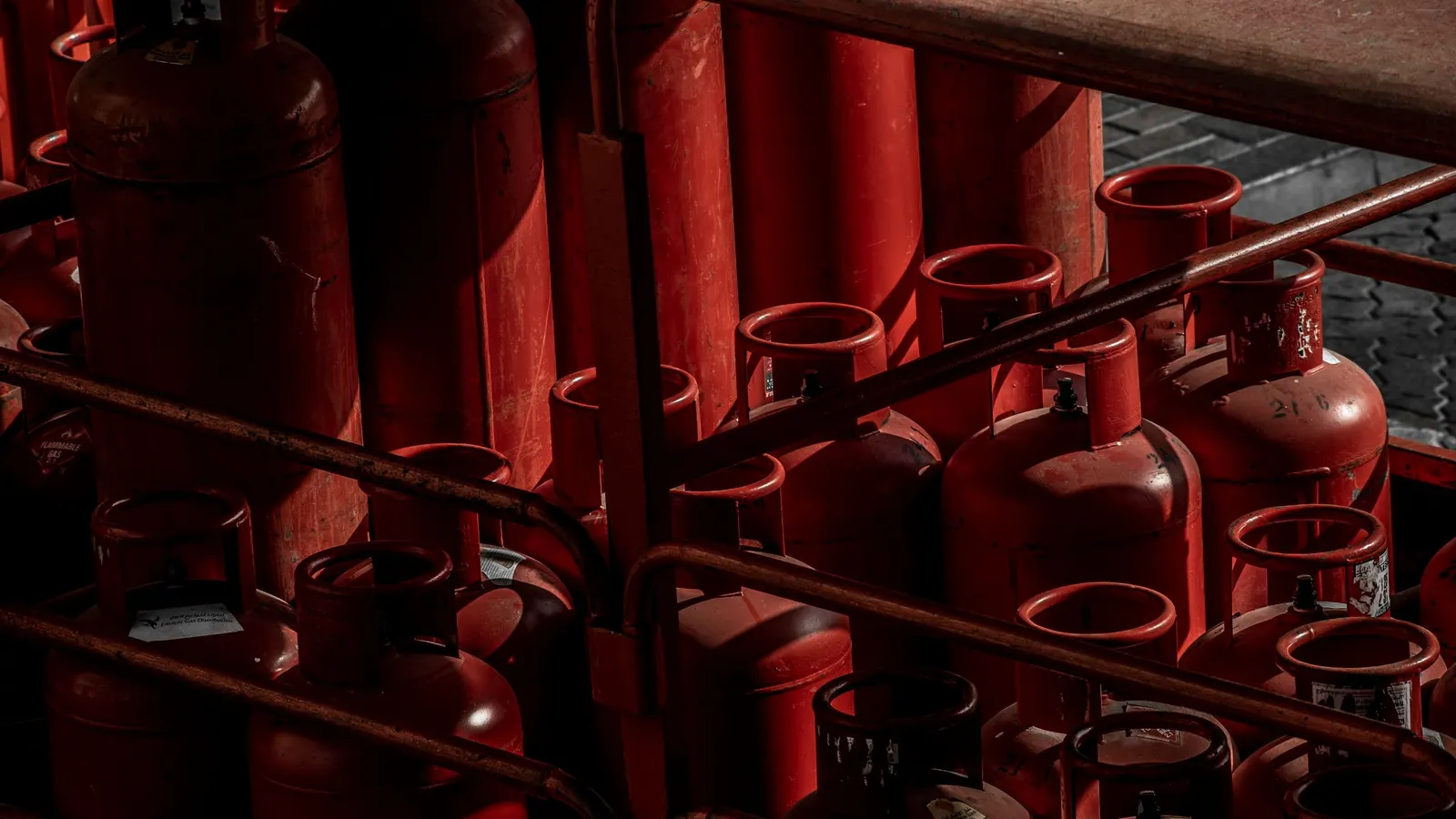
A dual fuel generator can run on gasoline or propane, and that simple flexibility can make a big difference during a long outage. If gas stations lose power or lines stretch around the block, you can switch to propane cylinders stored safely outside. On the other hand, if propane runs low, gasoline is still an option. This guide explains how a dual fuel generator works, how the two fuels compare, and how to plan a fuel supply that lasts.
Last reviewed and updated: October 1, 2026. Written by Jeremy Jarvis.
Key takeaways
- A dual fuel generator runs on gasoline or propane, giving you a second fuel when one is scarce.
- Output on propane is usually somewhat lower than on gasoline, so check both ratings before you size it.
- Propane stores for years in cylinders, while gasoline goes stale in months unless stabilized and rotated.
- Runtime on propane depends on cylinder size and load, so plan enough cylinders for the outages you expect.
We will also cover output differences, runtime math, cold weather and safety. By the end, you will know whether a propane generator option is worth it for your home, and how to size one correctly.
What a dual fuel generator is
A dual fuel generator is a portable or inverter generator with a fuel system that accepts two fuels. Gasoline feeds the carburetor from the onboard tank, as on any portable generator. Propane connects through a regulator hose from a separate cylinder. A selector or valve lets you choose which fuel the engine uses.
Most dual fuel models look and run much like conventional portables. Some are inverter models, which add clean power and quieter operation at light loads. Our inverter generator guide explains that design. A few tri-fuel models also accept natural gas through a separate connection.
Gasoline vs. propane at a glance
| Factor | Gasoline | Propane |
|---|---|---|
| Rated output | Usually the higher rating | Usually somewhat lower |
| Storage life | Months, longer with stabilizer | Years in a sound cylinder |
| Availability in outages | Pumps may be down or crowded | Exchange stock can run short too |
| Spills and odor | Liquid spills possible | No liquid spills; leaks need care |
| Carburetor gumming | Common with stale fuel | Not an issue on propane |
| Cold weather | Starts easily if fresh | Cylinder pressure drops in deep cold |
Neither fuel wins everywhere. Instead, the value of a dual fuel generator is that each fuel covers the other’s weaknesses.
Why output is lower on propane
Propane contains less energy per unit of volume than gasoline. As a result, the same engine usually produces somewhat less power on propane. Manufacturers handle this by publishing separate running and starting watt ratings for each fuel. Always read both, because the propane rating is the one that limits you when you switch.
That difference matters for sizing. If your essential loads need close to the gasoline rating, they may overload the generator on propane. Therefore, size with the propane numbers if you expect to rely on propane. Our Home Generator Size Calculator totals running watts and the largest starting surge, so you can compare the result with each rating.
Storage: the biggest reason to choose dual fuel
Gasoline degrades over time. Within months, it can form varnish that clogs small carburetor passages. That is why many generators that sat all year will not start when the storm arrives. Fuel stabilizer helps, and so does rotating your stored gasoline into a car. Even so, keeping a large gasoline reserve fresh takes effort.
Propane is different. Stored in a sound, certified cylinder, it does not go stale. Consequently, you can keep several cylinders outdoors, ready for years. When an outage hits, you connect a cylinder and go. For many homeowners, that alone justifies the dual fuel price.
Storage rules still apply. Keep propane cylinders outdoors, upright, away from heat and never in a garage, basement or living space. Keep gasoline in approved containers, away from the home and any ignition source. Follow local fire codes on quantities.
Runtime: how far your fuel goes
Runtime depends on fuel, tank or cylinder size and load. The owner’s manual lists fuel consumption at various loads. To estimate runtime on propane, divide the usable fuel in a cylinder by the hourly consumption at your expected load. Light loads stretch a cylinder much further than heavy ones.
Here is the approach in plain steps. First, estimate your average load, not your peak. Second, find the generator’s consumption at that load in the manual. Third, divide the propane available by that rate. Finally, multiply by the number of cylinders you keep. Doing this before an outage tells you how many cylinders you really need.
Gasoline runtime works the same way, using the onboard tank. Many portables run several hours to more than half a day on a tank at partial load. However, refueling requires shutting down and letting the engine cool, which adds downtime.
Switching fuels safely
Switching procedures differ by model. Some dual fuel generators let you switch while running, using a selector. Others require you to shut down, change the fuel source and restart. Always follow the owner’s manual. In addition, never refuel gasoline while the engine is hot, because spilled fuel on hot parts can ignite.
When connecting propane, check the hose and regulator for damage, and make sure the connection is tight. Open the cylinder valve slowly. If you smell gas when the generator is off, close the valve and check the connection. Keep the cylinder at the distance the manual specifies from the generator’s exhaust and hot surfaces.
Cold weather considerations
Cold weather affects both fuels. Gasoline engines need the right oil grade for low temperatures, and old fuel makes cold starts harder. Propane has its own issue: cylinder pressure drops as temperature falls. In very cold conditions, a small cylinder may struggle to supply enough vapor at high load.
There are practical answers. Larger cylinders hold pressure better under load. Keeping cylinders out of the wind, and never using open flames or improvised heaters near them, matters for safety. Meanwhile, keeping some fresh, stabilized gasoline as a backup gives you an option if propane falters on the coldest nights.
Tri-fuel generators and natural gas
Tri-fuel generators add natural gas as a third option. If your home has a natural gas service, a qualified gas technician can install a dedicated connection point for the generator. That lets the generator run on utility gas for long periods without refueling. However, this requires proper fittings, permits and a gas supply that can serve the generator and your other appliances.
For many homes, a tri-fuel portable is a middle ground between a portable generator and a standby system. It still needs manual setup and a transfer switch or interlock. If you want automatic operation, read our whole house generator guide.
Dual fuel generator cost: is flexibility worth it?
A dual fuel generator usually costs somewhat more than a gasoline-only model of similar output. Then you will want propane cylinders, a hose and possibly a longer regulator hose. Even so, many buyers find the added cost small compared with the benefit of fuel that stores for years.
Running costs depend on local prices. Compare the cost of propane per hour with gasoline per hour, using the manual’s consumption figures and your local prices. In some places propane costs more per hour of runtime, and in others less. Either way, the main value is availability and storage, not fuel savings.
Who benefits most from a dual fuel generator
Several kinds of households gain the most from a generator that doubles as a propane generator. First, homes in hurricane or ice-storm regions, where gasoline can be scarce after a storm, benefit from propane storage. Second, households that run generators only a few times a year avoid the stale-gasoline problem. Third, anyone who already uses propane cylinders for grilling has a supply chain they understand.
By contrast, if you already have a standby generator, or if outages are rare and short, fuel flexibility matters less. In that case, a battery or a simple gasoline portable may be enough. The free Home Power Plan Builder helps you weigh those options.
Planning a propane supply for a long outage
A propane plan starts with one question: how many days do you want to cover without a refill? Then work backward. Estimate your average load during the day and at night. Next, find the generator’s propane consumption at those loads in the manual. Multiply each by the hours you expect, add them, and you have a daily propane need. Finally, multiply by the number of days.
The result often surprises people. A generator running hard all day can empty small cylinders quickly. On the other hand, a careful routine with light overnight loads stretches the same fuel much further. Therefore, combine your propane plan with a load plan. For example, run the sump pump and freezer during the day, then trim to the fridge and a light at night.
Write the plan down and keep it with the generator. In a storm, a simple sheet that says how many cylinders you have and how long each should last helps you ration calmly.
Cylinder exchange, refills and larger tanks
Most homeowners use portable cylinders, which can be exchanged at stores or refilled at a propane dealer. Exchange is convenient, but exchange cylinders are not always filled to the brim. Refilling lets you pay for what you get, and dealers can inspect the cylinder. Either way, buy before storm season, because demand spikes when a hurricane or ice storm is forecast.
Some homes connect a dual fuel or tri-fuel generator to a larger propane tank. That requires proper fittings, regulators and, often, a professional installation. A larger tank holds pressure better in cold weather and reduces cylinder swaps. However, it must be placed and connected according to local codes and the supplier’s rules. Ask your propane supplier what they allow and recommend.
Also, label your cylinders. Mark the date you filled or exchanged each one. Then use the oldest first, and check each for dents, rust and valve damage before connecting it.
Common mistakes with dual fuel generators
The most common mistake is sizing with the gasoline rating and then relying on propane. When the generator struggles on propane, owners assume something is wrong, when in fact the load is simply too high for that fuel. Size with the lower number, and you avoid the problem.
Another mistake is neglecting the gasoline side because propane is easier. If the carburetor sits with old gasoline, it can gum up, and the generator may run poorly even on propane later. Follow the manual’s storage advice for the gasoline system. A third mistake is storing cylinders indoors or in a garage for convenience. Keep them outside, upright and away from openings.
Finally, some owners connect propane without checking the hose. Rubber hoses crack with age and sunlight. Inspect them each season, and replace damaged parts with the manufacturer’s recommended hose and regulator.
Connecting a propane generator to your home
Fuel choice does not change how you connect the generator. For plug-in loads, use heavy-duty outdoor cords rated for the load. For hardwired circuits, use a transfer switch or listed interlock installed by a licensed electrician. Remember to size the connection by the propane rating if you will rely on propane. Our generator transfer switch guide explains the options.
Propane generator and gasoline safety
A propane generator is not cleaner in the way that matters most indoors: both fuels produce carbon monoxide. Ready.gov advises using generators outdoors and at least 20 feet away from windows. Never run a generator in a garage, basement, shed or crawlspace. Install battery-backed carbon monoxide alarms on every level of the home, as the Red Cross recommends.
Propane adds its own precautions. Inspect hoses and fittings regularly, store cylinders outdoors and upright, and never use a damaged cylinder. Gasoline requires approved containers and cool-engine refueling. Following both sets of rules keeps a dual fuel setup safe.
Maintenance for dual fuel models
Maintenance is similar to any portable generator, with a few extras. Change oil on schedule, check the spark plug and air filter, and exercise the generator monthly. In addition, run it on both fuels periodically, so both systems stay ready. Check the propane hose and regulator for cracks each season. Our generator maintenance guide lists a full schedule.
Dual fuel generator checklist
- Size your loads against the propane rating, not just gasoline.
- Decide how many propane cylinders you need for your typical outage.
- Store cylinders outdoors and upright, away from heat and openings.
- Keep some stabilized gasoline as a backup and rotate it.
- Learn the fuel-switching procedure in your owner’s manual.
- Plan a transfer switch or interlock for hardwired circuits.
- Install battery-backed carbon monoxide alarms inside.
- Run the generator monthly on both fuels.
Where to compare dual fuel generators
Once you know your loads and fuel plan, compare current dual fuel generators, dual fuel inverter generators and propane hoses and regulators. Ratings and features change, so confirm them on the manufacturer’s site. For more options, see our guide to choosing a generator for home use and the Backup Generators hub.
Frequently asked questions about dual fuel generators
Is a dual fuel generator worth it?
For many homes, yes. Fuel flexibility helps during regional outages when gas stations close or lines are long, and propane stores far longer than gasoline. The trade-offs are a somewhat higher price and slightly lower output on propane.
Why does a generator make less power on propane?
Propane contains less energy per unit of volume than gasoline, so the same engine typically produces somewhat lower rated output on propane. Manufacturers list separate running and starting watts for each fuel.
How long will a propane cylinder run a generator?
It depends on the cylinder size, the generator and the load. Check the generator manual’s fuel consumption at your typical load, then divide the usable propane by that rate. Lighter loads make a cylinder last much longer.
Can I switch fuels while the generator is running?
Some models allow switching on the fly, while others require shutting down first. Follow your owner’s manual exactly, and never refuel gasoline while the engine is hot.
Is propane safer than gasoline for a generator?
Propane avoids spilled liquid fuel and stale gasoline, but both fuels need careful storage, and both produce carbon monoxide. Generators must always run outdoors, at least 20 feet from windows, with carbon monoxide alarms inside.
Sources and how we researched this guide
This guide is research-based. We did not test the generators described here; we compared how manufacturers rate output on each fuel, applied Ready.gov, Red Cross and OSHA safety guidance, and explain the runtime math so you can use your own generator’s fuel chart. Found something out of date? Tell us and we will check it against the source.
- OSHA: Using portable generators safely (PDF)
- Ready.gov: Power outages
- American Red Cross: Power outage safety
- EPA: Carbon monoxide’s impact on indoor air quality
Keep planning
- Quiet Generator: What Makes a Generator Quiet and How to Compare Noise
- Generator Maintenance: A Simple Schedule That Keeps It Ready
- What Size Generator Do I Need? A Step-by-Step Sizing Guide
- Inverter Generator: What It Is and When Your Home Needs One
Go deeper: Backup Generators hub · Home Generator Size Calculator · Transfer Switch Selector
