
Best Portable Power Station for Home Backup: How to Choose the Right One
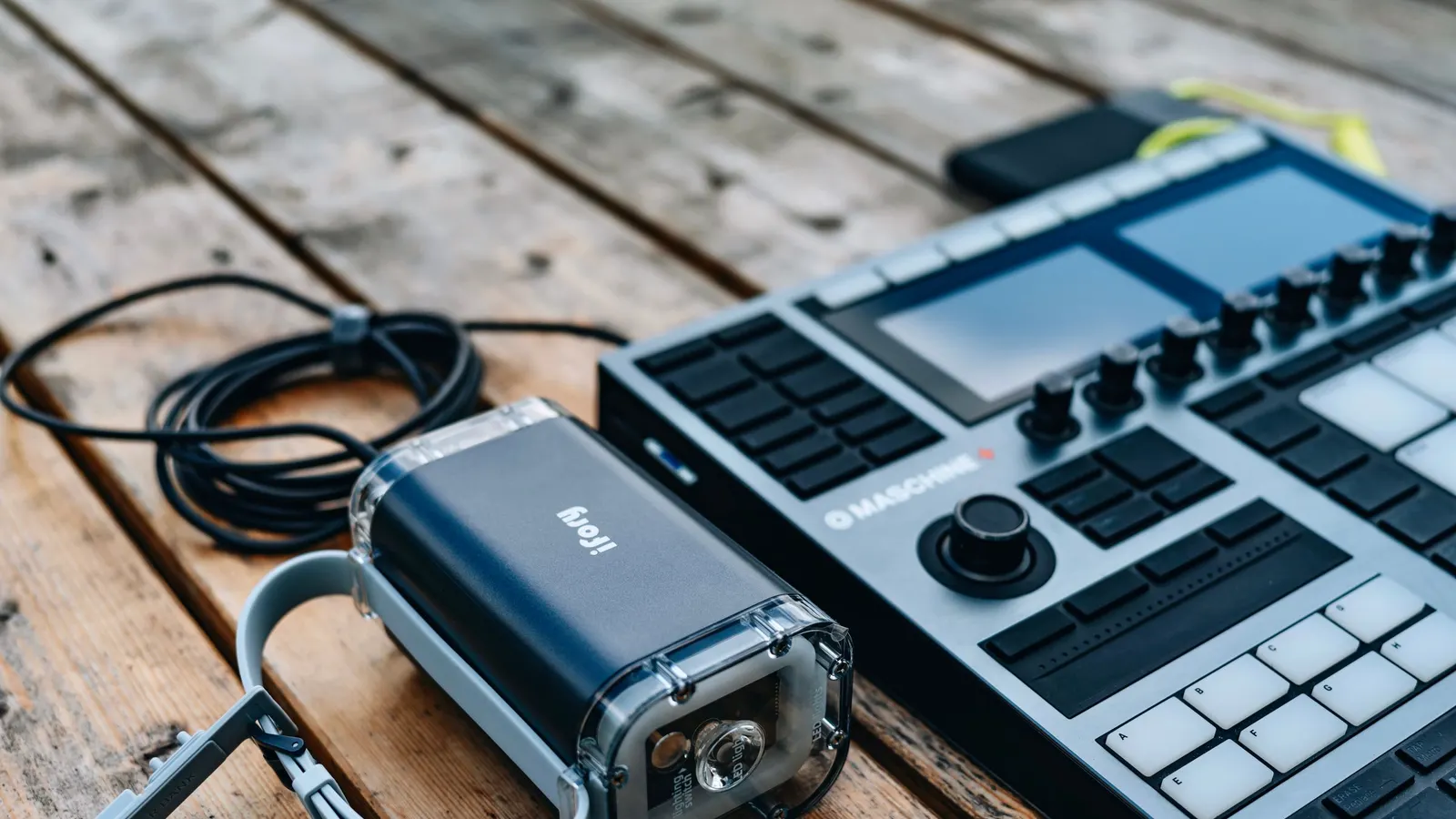
The best portable power station for home backup is not the biggest one on the shelf. It is the one that runs your essential devices for as long as you need, at a price and weight you can live with. A portable power station is a rechargeable battery with built-in outlets, an inverter and a charger. It runs silently indoors, needs no fuel and can recharge from the wall, a car or solar panels. This guide shows you how to choose one by size class, which specifications matter, and the mistakes buyers make most often.
Last reviewed and updated: October 1, 2026. Written by Jeremy Jarvis.
Key takeaways
- The best portable power station for your home is the smallest one that reliably covers your real loads for the hours you need.
- Compare usable capacity, continuous and surge output, battery chemistry, charging speed, expandability and warranty.
- Mid-size units cover phones, routers and CPAPs; large and expandable units can run a refrigerator for a day or more.
- Lithium iron phosphate batteries and a UPS-style feature are worth paying for if you rely on the unit often.
We do not rank individual models here, because specifications change quickly. Instead, you will learn how to judge any model against your own needs. Use our free Home Power Station Selector as you read.
What makes a power station the best for home backup?
For home backup, three questions matter. First, can it run what you need at the same time? Second, can it run those things for long enough? Third, can you recharge it fast enough during a long outage? A unit that answers yes to all three, with a good warranty and a safe battery chemistry, is the best portable power station for you, whatever the brand.
Secondary features matter too. Also, weight decides whether you can move it. Similarly, the outlet mix decides whether your devices plug in without adapters. Noise from cooling fans matters at night. Meanwhile, an uninterruptible power supply feature can keep a CPAP or router running through the moment the grid drops.
Portable power station specifications that matter most
| Specification | What it tells you | What to look for |
|---|---|---|
| Capacity (Wh) | How long it runs | Usable capacity that covers your daily watt-hours plus margin |
| Continuous output (W) | What it can run at once | Above the total of devices running together |
| Surge output (W) | Whether motors can start | Above the largest compressor or pump start |
| Battery chemistry | Lifespan and stability | Lithium iron phosphate for frequent use |
| AC charging speed | How fast it refills from the wall | Fast charging for pre-storm top-ups |
| Solar input | How fast it refills from panels | Wattage and voltage range that fit your panels |
| Expandability | Room to grow | Add-on battery packs if you may need more |
| Warranty | Manufacturer confidence | Years and cycle rating in writing |
Portable power station size classes and what each can run
Power stations fall into rough size classes. These ranges are general guides, not rules. Always check your devices’ real watts.
Small: under about 500 Wh
Small units suit phones, tablets, laptops, LED lights and a Wi-Fi router. Because they are light, they are easy to carry. However, they cannot run a refrigerator for long, and their output may not start a compressor.
Mid-size: about 500 to 1,000 Wh
Mid-size units add enough capacity for a CPAP overnight, fans and short refrigerator runs. In addition, many can power a small appliance briefly. For many apartments, a mid-size unit covers the core needs of a short outage.
Large: about 1,000 to 2,500 Wh
Large units can typically run a modern refrigerator for about a day, along with lights, internet and phones. As a result of their higher output, they can handle more devices at once. On the other hand, they are heavier, and some need wheels to move comfortably.
Expandable home backup: about 2,500 Wh and up
Expandable units accept extra battery packs. They suit homes that want a refrigerator, freezer, internet and lights for longer, and some can connect to selected circuits through a transfer switch. For this reason, they are the closest portable alternative to an installed whole-home battery.
How to size a portable power station for your home
Make a list of devices, their watts and the hours you will use each per day. Multiply watts by hours for each, and add them up. Then add about 20 percent for inverter losses and surprises. That gives you the usable capacity you need for one day without recharging. Next, add up the watts of devices that run at the same time, and add some headroom. That is the continuous output you need. Finally, find the largest startup surge.
A refrigerator is the most common question. Its nameplate wattage looks high, but the compressor cycles on and off, so its average draw is much lower. Our refrigerator wattage guide explains how to find your fridge’s real use. The Home Power Station Selector handles the whole calculation and suggests a size class.
Battery chemistry: why LiFePO4 is popular
Many current power stations use lithium iron phosphate cells, often written LiFePO4 or LFP. Manufacturers commonly rate these for thousands of charge cycles, far more than many older lithium-ion designs. They are also considered more thermally stable. The trade-off is somewhat more weight for the same capacity.
If you will use the unit often, for example for camping as well as outages, cycle life matters. If it will mostly sit in a closet for emergencies, storage behavior matters more. In either case, follow the manufacturer’s storage advice, which often includes keeping the battery partly charged and topping it up every few months.
Charging a portable power station
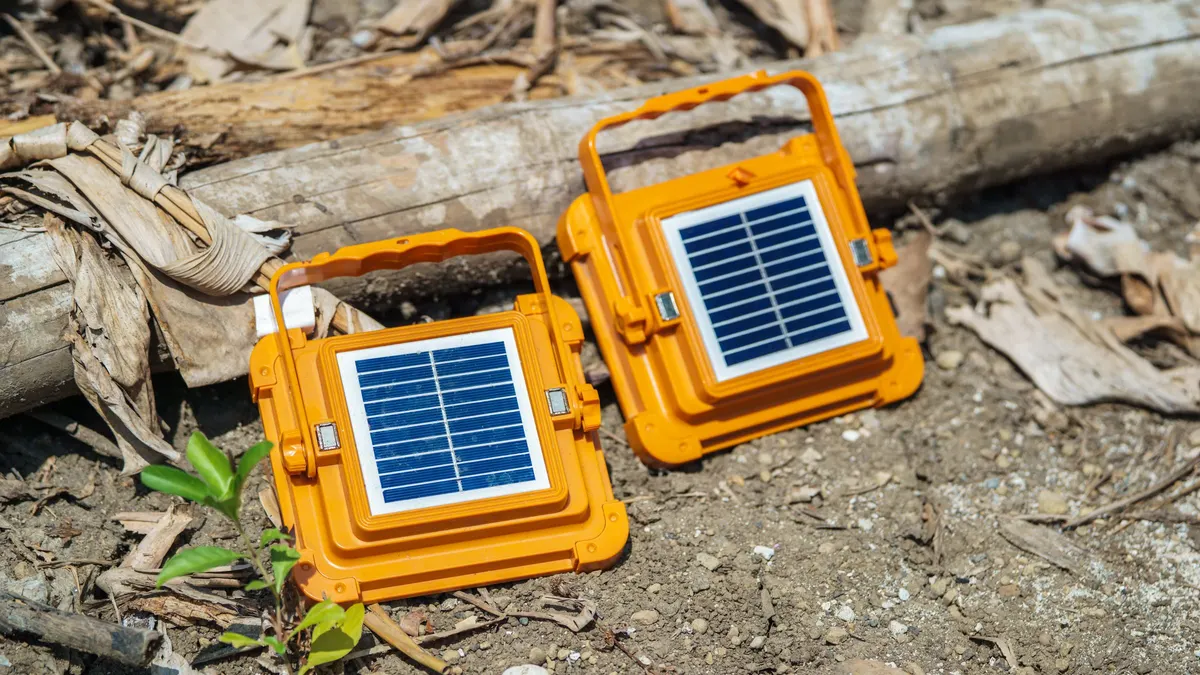
Before a storm, you will charge from the wall. Fast AC charging lets you top up quickly when a forecast changes. During an outage, solar panels and car charging become your options. Solar input depends on panel wattage, sun and the unit’s input limits. Our solar generator guide explains realistic solar charging times.
Some households also recharge from a small inverter generator during long outages. That combination keeps nights silent while extending runtime. Check that the power station accepts the generator’s output and follow the manufacturer’s guidance.
Expansion and home circuit connection
Expandable power stations accept add-on batteries, which multiply capacity without a second inverter. This lets you start smaller and grow later. If you want to power hardwired circuits, such as a furnace blower, a few models support a manual transfer switch or a manufacturer home backup kit. A licensed electrician should install that connection. Our transfer switch guide covers the basics.
The UPS feature
Some power stations can act like an uninterruptible power supply. Devices stay plugged into the power station, which passes grid power through. When the grid fails, the station switches to battery quickly. However, switchover speeds vary, so check the stated time if a device is sensitive. This feature is valuable for CPAP machines, routers, aquariums and home office equipment.
Noise, weight and outlets
Power stations are silent apart from cooling fans, which spin up under heavy load or fast charging. If the unit will sit in a bedroom, look for reviews or specifications that mention fan noise. Weight also matters if you need to carry it upstairs or to the car. Large units often weigh enough that wheels help.
Before you buy, check the outlet mix carefully. Count AC outlets, USB-C ports and their wattage, and any 12-volt or high-current outputs. If you plan to use a transfer switch, check for a suitable outlet. Adapters and power strips work, but native outlets are tidier and safer.
Portable power station warranty and support
Warranties vary in length and in what they cover. Read the terms for years of coverage, the cycle rating and how claims are handled. A company with an easy support process and spare parts availability is worth a premium. Also, register the product so you hear about any recalls or updates.
Mistakes to avoid when choosing the best portable power station
The most common mistake is buying by capacity alone and ignoring output. A large battery with a small inverter cannot run a microwave or start some refrigerators. Another mistake is counting a refrigerator’s nameplate watts for 24 hours, which overstates its needs and leads to oversized purchases. Similarly, many buyers assume solar panels will deliver their full rating, which leads to disappointment on cloudy days.
Other mistakes include ignoring weight, forgetting to keep the unit charged, and skipping a real test before an outage. Finally, running heaters, kettles or hair dryers from a power station drains it fast. Save the battery for essentials.
The best portable power station for common situations
Different homes need different units, so it helps to think in situations rather than rankings. For an apartment that mostly loses power for a few hours, the best portable power station is often a mid-size unit. It keeps phones, a router, lights and a CPAP going overnight, and it is light enough to store in a closet.
For a house with a refrigerator and freezer to protect, a large unit is usually the starting point. It can carry the fridge through a day and keep the internet running. If outages often last longer, an expandable unit with a second battery pack, plus portable solar panels, can stretch that to several days in good weather.
For homes with medical equipment, the best choice is the unit that runs the device through the longest outage you expect, with a margin. In that case, the UPS feature and a quiet fan matter as much as capacity. Our CPAP battery backup guide covers this case in depth.
Finally, for households that want to power a furnace blower or other hardwired circuits, the best portable power station is one the manufacturer supports for home backup through a transfer switch or home backup kit. Always confirm that support before you buy.
Testing your unit before you need it
Once you buy, test the unit under real conditions. Charge it fully, then plug in your refrigerator or other key loads and note how long it lasts. Watch the display to learn the real wattage of each device. This test tells you whether your estimates were right, and it shows family members how the system works.
Repeat a shorter test every few months. Top up the battery, check that outlets and the UPS feature work, and update your plan. If you add a new appliance, such as a chest freezer, run the numbers again. A tested setup is the difference between a calm outage and a stressful one.
Storage and long-term care
Most power stations spend most of their life waiting. Store yours in a cool, dry place within the temperature range the manufacturer lists. Many makers recommend keeping the battery partly charged during long storage and topping it up every few months. Check the manual, because advice differs by chemistry and model.
In addition, keep cables, adapters and the solar connector with the unit. During an outage, a missing cable can make a fully charged station useless. A small labeled bag solves that problem.
Power station or installed home battery?
A portable power station suits renters, condos, short outages and households that want backup without installation. An installed home battery suits homeowners who want automatic backup for many circuits, often paired with rooftop solar. If you lose power often or for days, compare both in our home battery backup guide.
Best portable power station checklist
- List devices, watts and hours to find daily watt-hours.
- Add about 20 percent margin for losses.
- Check continuous output against devices running together.
- Check surge output against your largest compressor or pump.
- Prefer lithium iron phosphate for frequent use.
- Compare AC charging speed and solar input limits.
- Consider expansion batteries and a UPS feature.
- Read the warranty and register the unit.
- Test it with your real devices before storm season.
Where to compare power stations
When you know your numbers, compare current LiFePO4 portable power stations, expandable home backup units and power stations with UPS. Specifications change, so confirm capacity, output, chemistry and warranty with each manufacturer. Our Home Batteries and Power Stations hub has more guides.
Frequently asked questions about choosing a portable power station
What size portable power station do I need for home backup?
Add up the watts of each device times the hours you will use it to get daily watt-hours, then add about 20 percent. Phones, a router and lights fit small units, a CPAP fits mid-size units, and a refrigerator for a full day usually needs a large or expandable unit.
Can a portable power station run a refrigerator?
Yes, if its continuous output covers the fridge and its surge rating handles the compressor start. Many modern refrigerators use roughly 1 to 2 kWh per day, so the capacity decides how long it lasts.
Which battery chemistry is best for a power station?
Lithium iron phosphate is widely preferred for home backup because it is rated for many more charge cycles and is considered more thermally stable than older lithium-ion chemistries, at the cost of some extra weight.
How long do portable power stations last?
Lifespan is usually rated in charge cycles to a stated remaining capacity, and lithium iron phosphate models are commonly rated for thousands of cycles. Storage temperature and keeping the battery partly charged also affect lifespan.
Can a portable power station power my house circuits?
Some larger units can feed selected circuits through a manual transfer switch or the manufacturer’s home backup kit installed by a licensed electrician. Loads must stay within the unit’s continuous output.
Sources and how we researched this guide
This guide is research-based and does not rank individual models. We explain the specifications manufacturers publish and how they translate into outage performance, using the sizing math in our free Home Power Station Selector. We have not tested the units mentioned by category; always confirm specifications with the manufacturer. Found something out of date? Tell us and we will check it against the source.
- Ready.gov: Power outages
- FDA: Tips about medical devices and natural disasters
- ENERGY STAR: Refrigerators
- U.S. Department of Energy: Homeowner’s guide to going solar
Keep planning
- How Many Watts Does a Refrigerator Use? Running, Starting and Daily kWh
- CPAP Battery Backup: How to Keep Your CPAP Running in a Power Outage
- Solar Generator: What It Really Is and How to Size One for Home Backup
- Tesla Powerwall 3: How It Works, Key Specs and Who It Suits
Go deeper: Home Batteries & Power Stations hub · Home Power Station Selector · Home Battery Backup Calculator
