Lower electricity bills: energy audits, efficient appliances, heat pump water heaters, energy monitors, surge protection and appliance wattage.
Every kilowatt-hour you do not use lowers your bill and makes backup power go further. These guides cover home energy audits, efficient appliances, heat pump water heaters, energy monitors, surge protection and real appliance wattage, using data from the EIA and ENERGY STAR.
How to use this topic
Measure first: read 12 months of bills and find your biggest loads.
Fix air leaks and insulation before replacing working appliances.
Choose ENERGY STAR models when you do replace them.
Use a monitor or plug-in meter to find always-on standby loads.
How a home energy monitor works, the differences between panel, plug-in and utility smart meter options, what circuit-level tracking reveals, solar and battery monitoring, installation, privacy and how to turn data into savings.
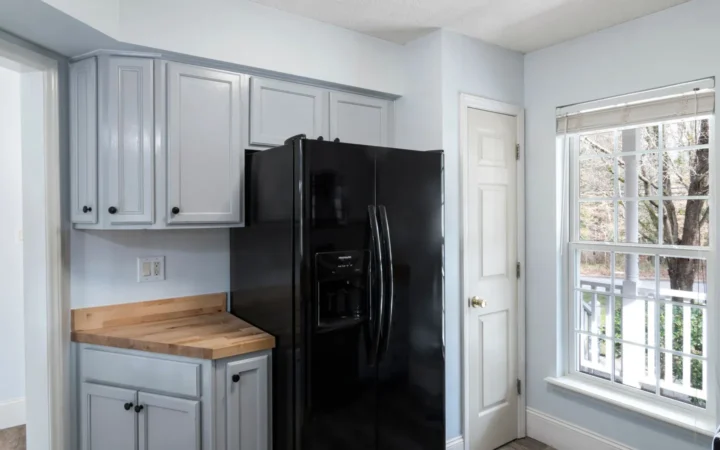
How many watts a refrigerator uses while running and starting, why daily kilowatt-hours matter more than nameplate watts, how to measure your own fridge, what it costs to run, and how to size backup power for it.
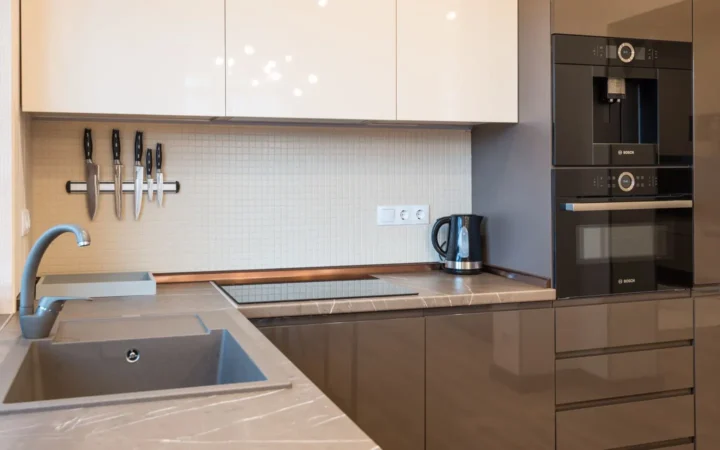
How to choose energy efficient appliances: reading EnergyGuide and ENERGY STAR labels, which appliances use the most energy, when replacing an old unit pays off, heat pump and induction options, and how efficiency shrinks backup power needs.
What a home energy audit is, what a professional assessment checks, how blower-door and infrared tests work, how to do a do-it-yourself walk-through, and how to turn the results into upgrades that pay back.
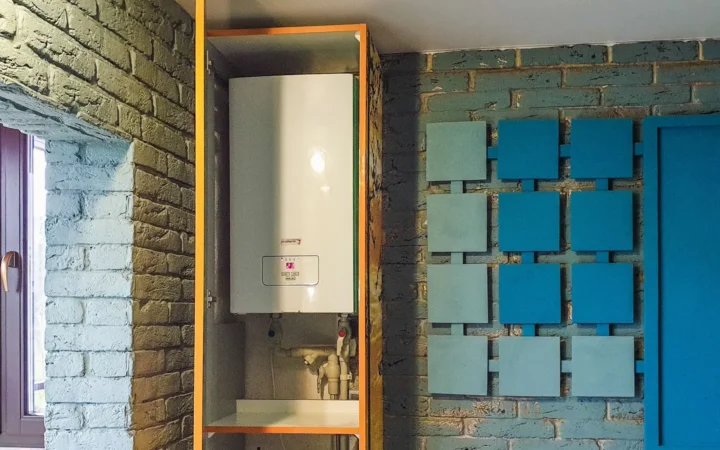
How a heat pump water heater works, the space, temperature and drainage it needs, sizing, operating modes, noise and cooling effects, costs, savings, incentives after 2025 and how to plan installation.
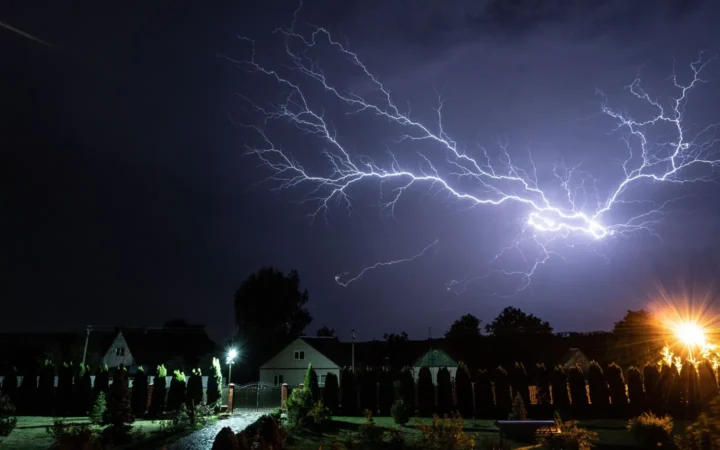
How a whole house surge protector works, where surges come from, the ratings that matter, panel installation, layered protection with point-of-use strips, generators and outages, and how to choose one.
 Energy Efficiency