
Whole House Surge Protector: How It Works and Why It Needs a Partner
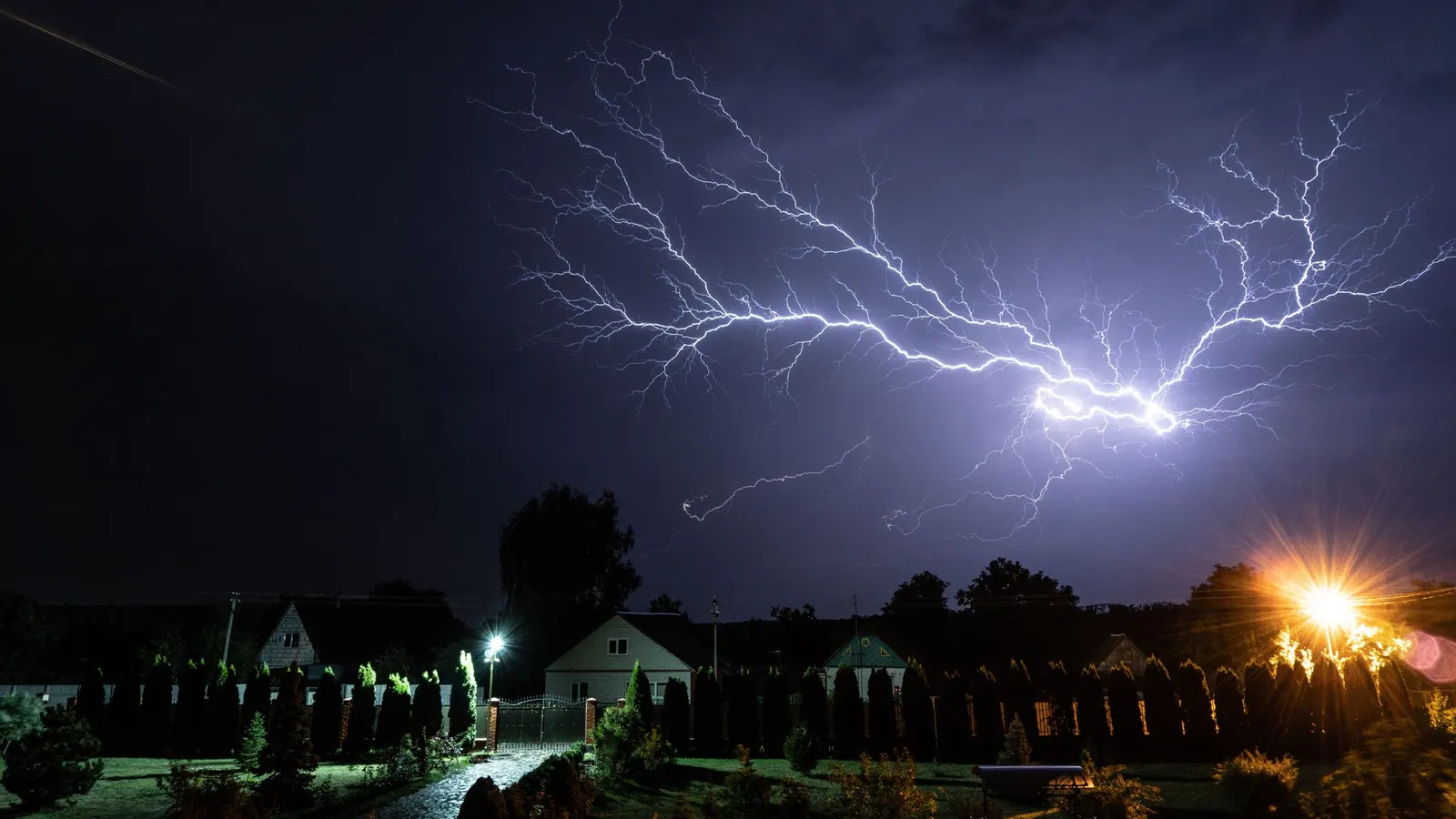
A whole house surge protector guards your home’s wiring and appliances from voltage spikes before they reach individual outlets. Installed at the electrical panel, it limits surges from lightning, utility switching and the moment power returns after an outage. Modern homes are full of sensitive electronics, from furnace control boards to refrigerators and smart thermostats, so surge protection matters more than it used to. This guide explains how whole-home protection works, what its ratings mean, and why it still needs a partner at the outlet.
Last reviewed and updated: October 2, 2026. Written by Jeremy Jarvis.
Key takeaways
- A whole house surge protector installs at the electrical panel and limits surges entering the home’s wiring.
- Surges come from lightning, utility switching, power restoration after outages and large appliances cycling inside the home.
- Whole-home and point-of-use protection work as layers; neither alone protects everything.
- A licensed electrician should install it, and surge protection does not replace unplugging electronics during storms.
This is general information, not electrical advice. A licensed electrician must install any device in your panel.
What a whole house surge protector is
A whole house surge protector, also called a surge protective device or SPD, is a small unit wired into your main electrical panel. It connects to a breaker and to the panel’s neutral and ground. When voltage rises far above normal, the device diverts the excess energy to ground. As a result, the surge reaching your branch circuits is much smaller.
Think of it as a first line of defense at the point where power enters your home. It protects hardwired equipment that cannot plug into a power strip, such as HVAC systems, water heater controls, ovens, well pumps and garage door openers.
Where surges come from
Surges come from outside and inside the home. External surges include lightning strikes on or near power lines, utility switching on the grid and the rush when power returns after an outage. These can be large but are relatively infrequent.
Internal surges are smaller but far more common. Motors and compressors in air conditioners, refrigerators, pumps and laundry appliances create small spikes every time they start or stop. Over years, those repeated spikes can wear down sensitive electronics. Therefore, both outside and inside surges matter.
How a whole house surge protector works
Inside most devices are components, such as metal oxide varistors, that conduct very little at normal voltage but conduct heavily when voltage spikes. When a surge arrives, they shunt the excess energy to ground for a split second. Then they return to their idle state. Many devices include indicator lights that show whether protection is still active.
Protection depends on good connections. Short, direct wiring to the panel and a sound grounding system help the device work well. That is one reason installation quality matters as much as the device itself.
Types of surge protective devices
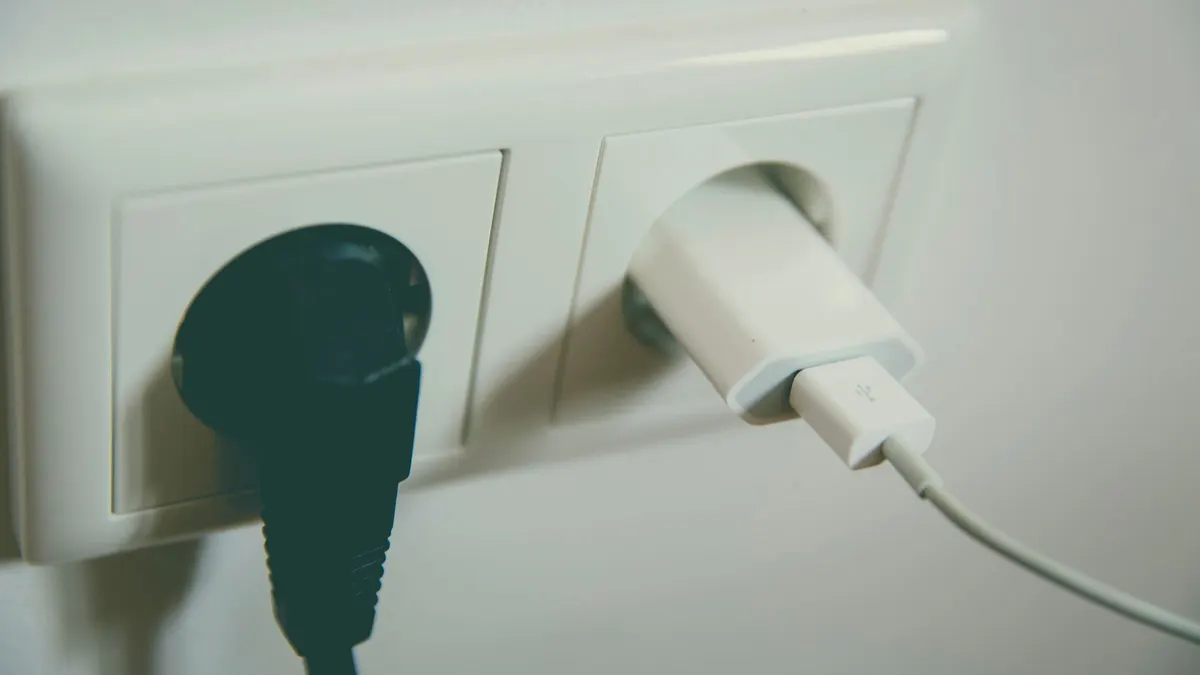
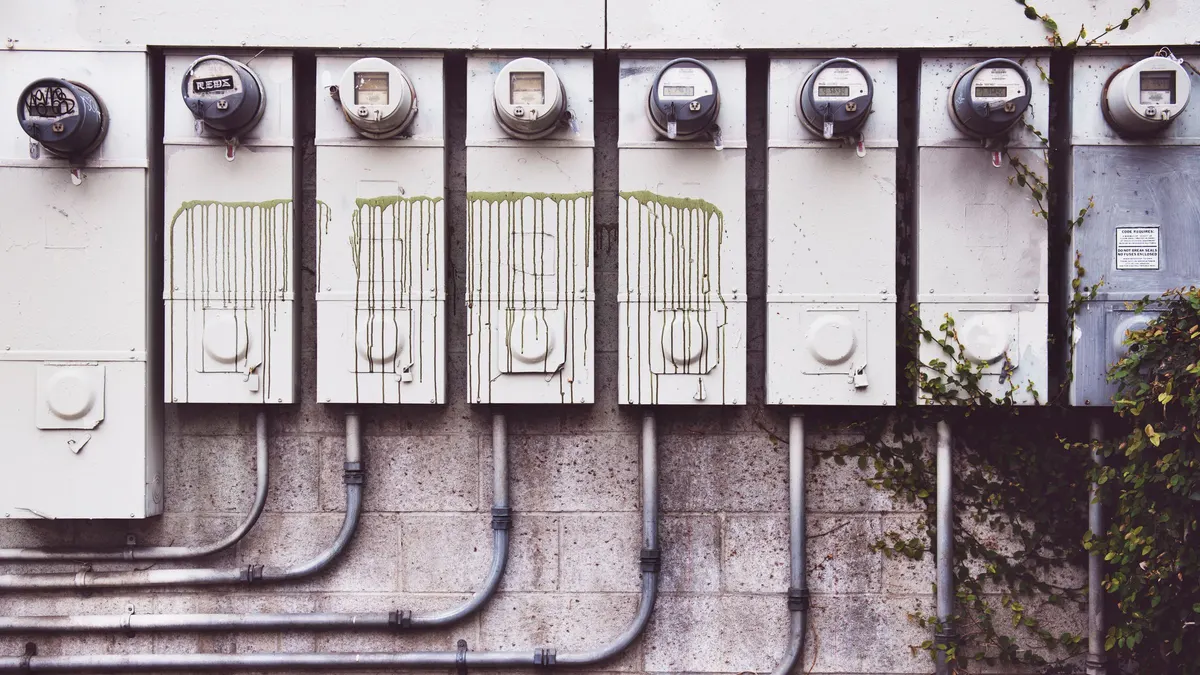
Surge protective devices are grouped by where they install. Type 1 devices install on the line side of the main service, often at the meter, and typically require utility coordination. On the load side, usually at the main panel, sit Type 2 devices, which are the most common whole-home units. Point-of-use protectors, such as surge strips and outlet units, are classed as Type 3.
For most homes, a Type 2 device at the panel is the practical choice. Your electrician can advise whether a Type 1 device makes sense, for example in areas with frequent lightning.
Ratings that matter
Whole-home devices use different ratings than power strips. Look for a surge current rating, often expressed in kiloamps, which indicates how much surge current the device can handle. Look for the voltage protection rating, which describes the voltage the device lets through during a test surge; lower is better. Also look for a listing from a recognized testing laboratory under the relevant safety standard.
Joule ratings, common on power strips, are less meaningful for panel devices, and manufacturers often do not publish them. Instead, compare surge current, voltage protection rating, listing, warranty and status indicators.
| Rating or feature | What it means | What to look for |
|---|---|---|
| Surge current capacity | How much surge current the device can divert | Higher values for lightning-prone areas |
| Voltage protection rating | Let-through voltage during a test surge | Lower is better |
| Safety listing | Tested by a recognized laboratory | Listed for its installation type |
| Status indicators | Show whether protection is still active | Easy-to-read lights or alarms |
| Warranty | Device and sometimes connected equipment coverage | Clear terms and claim process |
What a whole house surge protector cannot do
No device protects against everything. A direct lightning strike can overwhelm any surge protector and can enter a home through cable, phone, antenna or other paths. Similarly, a whole-home device does not protect electronics from surges that start inside the home on the far side of a circuit. It also does nothing for brownouts or outages.
That is why layered protection and good habits matter. During storms and outages, unplugging sensitive electronics remains wise. Ready.gov and the Red Cross both advise unplugging electronics during a power outage to protect them when power returns.
Layered surge protection
The best approach uses layers. First, a whole house surge protector at the panel limits large external surges. Second, point-of-use protectors at sensitive electronics handle the smaller residual surges and internal spikes. Together, they protect far better than either alone.
Put point-of-use protection on computers, televisions, game consoles, routers and home office equipment. Also consider protecting cable and phone lines that enter those devices, because surges can travel on any conductor. Some point-of-use protectors include coaxial and network jacks for this purpose.
Installation at the panel
A licensed electrician should install a whole-home device. The work involves opening the main panel, which carries dangerous voltage even with the main breaker off. The electrician mounts the device as close to the panel as practical, keeps leads short and straight, connects it to a dedicated breaker if required, and checks the grounding and bonding system.
In most homes, the job is quick when the panel has space and the grounding is sound. If the panel is full or the grounding needs work, it may take longer. Ask for a quote that includes any grounding improvements, because good grounding is essential for surge protection.
Electrical code and new homes
Recent editions of the National Electrical Code require surge protection for residential electrical services in many cases, including new services and replacements, although local adoption varies. If you are building, replacing a panel or upgrading your service, ask your electrician whether surge protection is required where you live. Even where it is not required, adding it during other panel work is efficient.
Outages, generators and solar
Power restoration after an outage is a classic surge moment. A whole-home device helps, but unplugging sensitive electronics until power stabilizes is still smart. If you use a generator through a transfer switch or interlock, surge protection at the panel also helps smooth spikes during switching. Our transfer switch guide explains safe generator connection.
Homes with solar panels or batteries have additional equipment, such as inverters, that may benefit from surge protection on the DC side as well. Ask your solar installer what protection the system includes.
Lifespan and replacement
Surge protectors wear out. Each surge they absorb can degrade their components, and a large surge can use them up entirely. That is why status indicators matter. Check the lights on your panel device periodically, especially after storms. If the indicator shows lost protection, have the device replaced.
Power strips also wear out, often without obvious signs. Replace them after a major surge or if they are many years old. Some include indicator lights showing whether protection remains.
Which appliances benefit most
Some equipment is especially vulnerable to surges. HVAC systems contain control boards and, in newer systems, variable-speed motors with sensitive electronics. Refrigerators, washers, dryers and dishwashers now rely on electronic controls too. Furnaces, boilers, water heaters with electronic ignition and well pump controllers are similar. Because many of these are hardwired, a whole house surge protector is the only practical way to protect them.
Electronics that plug in, such as televisions, computers and routers, benefit from both layers. Meanwhile, devices with long cable runs, such as security cameras or outdoor lighting controls, can pick up surges on their wiring. Ask your electrician whether those circuits need extra protection.
Whole house surge protector cost factors
The device itself is usually affordable compared with the equipment it protects. Installation cost depends on panel access, available breaker space, the condition of grounding and bonding, and local labor rates. If the electrician is already working on your panel, for example to add an EV charger circuit or a generator interlock, adding surge protection at the same time can reduce the extra labor.
Some devices include a connected-equipment warranty, which may pay for damage to protected equipment under certain conditions. Read the terms carefully. Warranties often require proper installation, registration and documentation, and they rarely cover every situation.
Common myths about surge protection
One myth is that a power strip is the same as a surge protector. Many inexpensive strips are just extension outlets with no surge protection at all. Look for a clear surge rating and listing. Another myth is that a whole-home device makes point-of-use protection unnecessary. In reality, the layers handle different surges, so both are useful.
A third myth is that surge protection lasts forever. Components degrade with each surge, so check indicators and replace devices that show lost protection. Finally, some people believe surge protectors stop lightning entirely. They help with surges on power lines, but a direct strike can overwhelm any device. Good grounding, layered protection and unplugging during storms remain the best combination.
Is it worth it?
For most homes, a whole house surge protector is an inexpensive way to protect expensive equipment. A single damaged HVAC control board, refrigerator or furnace can cost far more than a panel device and installation. If you live in a lightning-prone area or lose power often, the case is stronger. Our Energy Savings hub covers other ways to protect and improve your home.
Questions to ask your electrician
A few questions help you get the right device and installation. Ask which type and model they recommend for your panel and why. Ask how they will keep the leads short and where the device will mount. Next, ask whether they will check grounding and bonding, and what it will cost if improvements are needed. Finally, ask whether the device has status indicators you can see without opening the panel.
If you plan other electrical work soon, mention it. Combining a surge protector with an EV charger circuit, a generator inlet or a panel upgrade usually saves labor and keeps the panel layout tidy.
Whole house surge protector checklist
- Choose a listed Type 2 device for the main panel, or ask about Type 1.
- Compare surge current, voltage protection rating and warranty.
- Hire a licensed electrician and check grounding during installation.
- Add point-of-use protectors for sensitive electronics.
- Protect cable and network lines into key devices.
- Unplug sensitive electronics during outages anyway.
- Check status indicators after storms.
- Replace devices that show lost protection.
Where to compare
When your electrician confirms the panel type, compare current Type 2 whole house surge protectors and point-of-use protectors with coax and network protection. Confirm listings and warranties with each manufacturer. For outage planning, read our guide to what to do during a power outage.
Frequently asked questions about whole house surge protectors
Is a whole house surge protector worth it?
For many homes, yes. Modern appliances, HVAC systems and electronics contain sensitive control boards. A panel device costs far less than replacing those components and adds a layer of protection that point-of-use strips cannot provide for hardwired equipment.
Does a whole house surge protector protect against lightning?
It helps with surges that travel into the home on power lines, including some caused by nearby lightning. No device can guarantee protection from a direct lightning strike, which can also enter through other paths such as cable or phone lines.
Do I still need surge protector power strips?
Yes. A whole house device limits surges at the panel, while point-of-use protectors handle the smaller residual surges and surges generated inside the home. Together they form layered protection for sensitive electronics.
Where is a whole house surge protector installed?
Most residential devices mount at or inside the main electrical panel and connect to a breaker. Some install at the meter with utility approval. A licensed electrician should do the installation.
Should I unplug electronics during a power outage even with surge protection?
Yes. Ready.gov and the Red Cross advise unplugging sensitive electronics during outages to protect them when power returns. Surge protection adds a safety layer but is not a reason to skip that step.
Sources and how we researched this guide
This guide is research-based and is not electrical advice. We explain how surge protective devices are rated and installed, drawing on National Electrical Code conventions and Ready.gov outage guidance. A licensed electrician must install any device in your electrical panel. Found something out of date? Tell us and we will check it against the source.
- NFPA 70: National Electrical Code
- Ready.gov: Power outages
- American Red Cross: Power outage safety
- U.S. Department of Energy: Energy Saver
Keep planning
- How Many Watts Does a Refrigerator Use? Running, Starting and Daily kWh
- Energy Efficient Appliances: Which Upgrades Save the Most and When to Buy
- Home Energy Audit: What It Finds, What It Costs and How to Do Your Own
- Heat Pump Water Heater: How It Works, Where It Fits and What It Saves
Go deeper: Energy Savings hub · Electricity Cost Calculator · Solar Payback Calculator
