
Heat Pump Water Heater: How It Works, Where It Fits and What It Saves
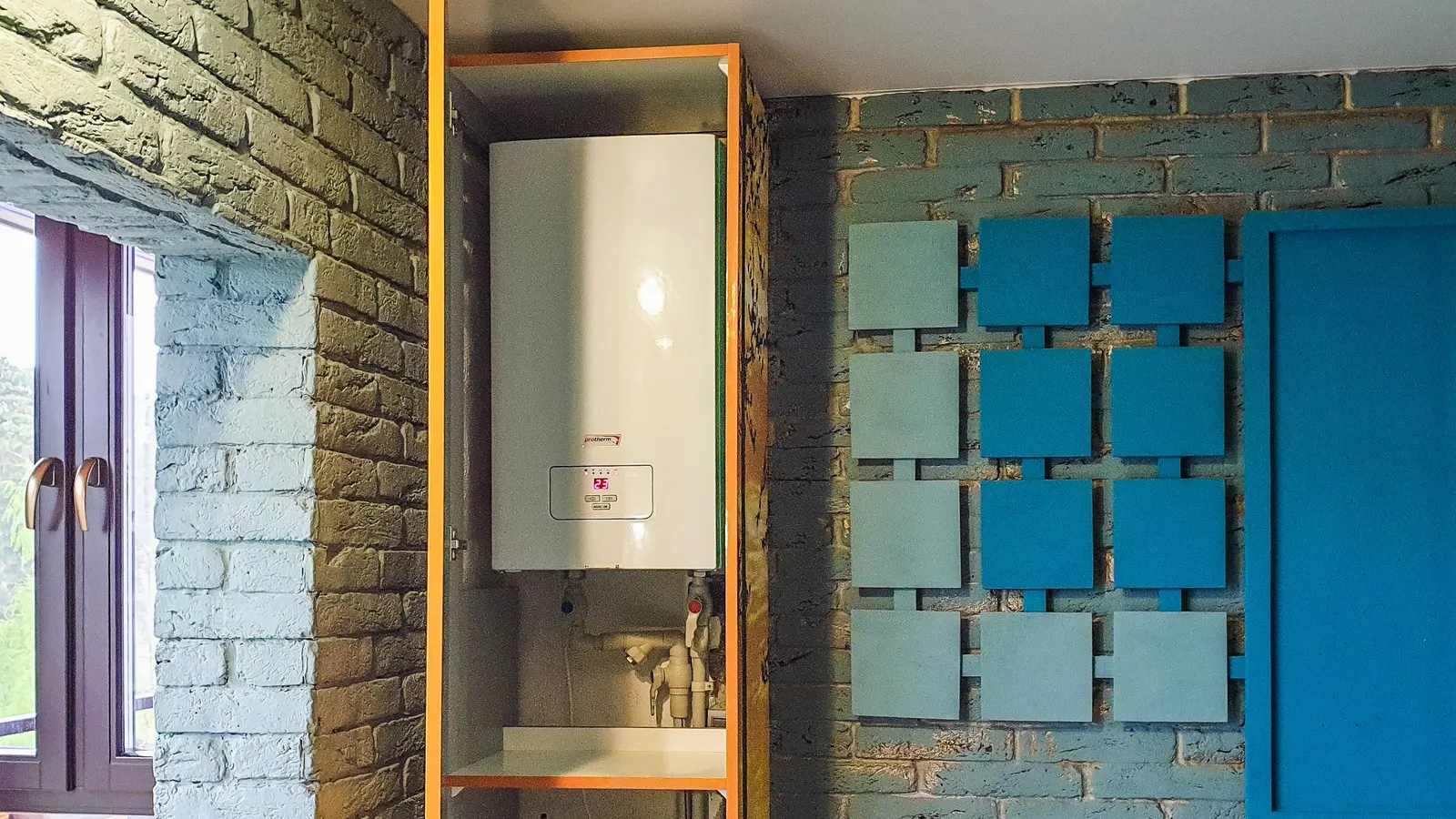
A heat pump water heater heats water by moving heat rather than making it. Instead of relying only on resistance elements, it uses a small heat pump, similar to the one in a refrigerator, to pull heat from the surrounding air and transfer it into the tank. As a result, it uses much less electricity than a standard electric tank. Often called a hybrid water heater, it also keeps backup elements for times of high demand. This guide explains how it works, where it fits, how to size it and what to expect from installation.
Last reviewed and updated: October 2, 2026. Written by Jeremy Jarvis.
Key takeaways
- A heat pump water heater moves heat from the surrounding air into the tank instead of making heat with resistance elements, so it uses much less electricity.
- ENERGY STAR says it should sit in a space that stays between 40 and 90 degrees F year-round with about 1,000 cubic feet of air.
- It cools and dries the room it sits in, needs a condensate drain and may need annual filter cleaning.
- The federal 25C credit ended for improvements after 2025, so check utility and state rebates before you buy.
Water heating is a large energy use in many homes, so the choice matters. If your current water heater is aging, this is the best time to plan.
How a heat pump water heater works
A fan draws room air across a coil filled with refrigerant. The refrigerant absorbs heat from the air and evaporates. A compressor then raises its temperature, and a condenser transfers that heat into the water in the tank. Afterward, the cooled air is released back into the room.
Because moving heat takes less energy than creating it, the heat pump delivers more heat to the water than the electricity it uses. When demand is high, such as during back-to-back showers, built-in resistance elements can help. Most models let you choose how much they rely on each.
Why a heat pump water heater saves energy
Standard electric water heaters turn electricity directly into heat in the tank. Heat pump models move heat instead, so they use far less electricity for the same hot water. ENERGY STAR highlights heat pump water heaters as a way to enjoy big savings on your next water heater purchase. Your savings depend on how much hot water you use, your electricity rate, the temperature of the space and the mode you choose.
To estimate your own savings, compare the yearly kilowatt-hours on the EnergyGuide label of your current water heater and a heat pump model, then multiply the difference by your electricity rate. Our Electricity Cost Calculator helps convert kilowatt-hours into dollars.

Heat pump water heater space and temperature requirements
Location matters more than with a standard tank. ENERGY STAR advises installing heat pump water heaters in interior spaces that remain between 40 and 90 degrees F year-round, with 1,000 cubic feet of air space around the water heater. That air supplies the heat the unit extracts. In a small closet, the unit can starve for heat unless the manufacturer allows ducting or louvered doors.
Basements, large utility rooms and garages in mild climates are common locations. If your water heater sits in a small closet, ask the installer about ducting kits or louvered doors that the manufacturer approves.
Cooling and dehumidifying effects
Because the unit pulls heat from the air, it cools the room. ENERGY STAR notes that heat pump water heaters can cool the spaces they are in. In a warm basement or a hot garage, that cooling and drying can be welcome. In a cold basement in winter, it can make the space chillier.
The unit also removes moisture from the air, much like a dehumidifier. In damp basements, that can be a bonus. Plan for it, though, because the removed moisture becomes condensate that must drain away.
Condensate drainage
Heat pump water heaters produce condensate, so they need a place to drain it. Options include a floor drain, a utility sink or a condensate pump that lifts water to a drain. Your installer will choose based on your space and local code. Without a drain plan, condensate can damage floors and walls.
Electrical requirements
Many heat pump water heaters use a 240-volt circuit, often similar to the circuit used by a standard electric water heater. Some newer models are designed to plug into a standard 120-volt outlet, which can simplify replacement of a gas water heater. Check the model’s requirements and your existing circuit before you buy, because a new circuit adds cost.
Sizing a heat pump water heater
Size by how much hot water your household uses, especially at peak times. Tank size is part of it, but the first-hour rating matters more. It tells you how much hot water the heater can deliver in an hour starting with a full tank. Compare that rating with your busiest hour, such as morning showers plus a dishwasher.
Heat pump models recover more slowly than standard electric tanks when running in heat pump only mode. Therefore, many households choose a slightly larger tank, or use a hybrid mode during peak demand. A plumber can help match the size to your household.
| Factor | Heat pump water heater | Standard electric tank |
|---|---|---|
| How it heats | Moves heat from air into water, with backup elements | Resistance elements only |
| Electricity use | Much lower | Higher |
| Space needs | Room air volume and 40 to 90 degrees F per ENERGY STAR | Minimal |
| Side effects | Cools and dries the room | None |
| Drainage | Condensate drain needed | Not for condensate |
| Noise | Fan and compressor sound | Nearly silent |
| Upfront cost | Higher | Lower |
Hybrid water heater operating modes
Most heat pump water heaters offer several modes. Heat pump only mode uses the least energy but recovers slowly. Hybrid or energy saver mode uses the heat pump most of the time, with elements helping at peak demand. Electric or high-demand mode behaves like a standard tank. Vacation mode keeps the water just warm enough to prevent freezing while you are away.
Choose the most efficient mode that keeps your household comfortable. Many people start in hybrid mode, then try heat pump only mode once they see how it performs.

Noise
Because of the fan and compressor, a heat pump water heater makes some noise, similar to a quiet dehumidifier or refrigerator. In a basement or garage, most people do not notice. In a utility closet next to a bedroom, it may be more noticeable. Check the manufacturer’s sound rating if placement is close to living spaces.
Cold climates and seasonal changes
Heat pump water heaters work in many climates, but the space temperature matters. ENERGY STAR notes that they generally do not operate as efficiently in colder spaces, and that in colder environments with lower incoming water temperature, they may temporarily switch to backup standard electric mode. Therefore, a heated basement is better than an unheated garage in a cold climate.
In winter, the cooling effect may slightly increase heating needs if the unit sits in conditioned space. In summer, the same effect can help. Overall savings usually remain substantial, but your installer can help you weigh the trade-offs for your home.
Costs, rebates and the end of the federal credit
Heat pump water heaters cost more upfront than standard tanks. Installation may also cost more if you need a condensate drain, a new circuit or ducting. However, lower energy use offsets some or all of the difference over time, depending on your rates and hot water use.
The federal credit has ended for new installations. The IRS states that the energy efficient home improvement credit, which covered heat pump water heaters, applies to improvements made through December 31, 2025. Some utilities and states still offer rebates for heat pump water heaters. DSIRE and your utility’s website list current programs.
Heat pump water heater maintenance
Maintenance is simple. ENERGY STAR notes that heat pump water heaters may require annual maintenance, including changing air filters. Clean or replace the filter as the manual directs. Keep the condensate drain clear. In addition, follow the manufacturer’s tank maintenance, such as flushing sediment and checking the anode rod, to extend the tank’s life.
Replacing a gas water heater
Many households switching away from gas consider a heat pump water heater. The swap involves a few extra steps. First, the gas line is capped by a qualified professional. Next, the home needs a suitable electrical supply, either a 240-volt circuit or, for some newer models, a standard 120-volt outlet. Finally, the old flue can be sealed, because heat pump models do not need venting for combustion.
Plug-in 120-volt models can make this much simpler, especially where running a new 240-volt circuit would be costly. However, they may recover more slowly. Ask the installer whether a plug-in model fits your household’s hot water use. Our home energy audit guide can help you see where water heating fits among your upgrade options.
Is a heat pump water heater worth it?
For many homes with electric water heating, a heat pump model is one of the most effective efficiency upgrades available. Savings are largest when you use a lot of hot water, pay a high electricity rate and have a suitable space. In contrast, homes with very low hot water use or a cramped, cold location may see smaller benefits.
Timing matters too. The best moment to switch is before your current water heater fails, because an emergency replacement leaves little time to plan the space, drain and electrical work. If your tank is approaching the end of its life, start planning now. Compare the EnergyGuide labels, estimate savings and check rebates first.
Living with a hybrid water heater
Daily life with a hybrid water heater feels much like before, with a few differences. You may hear a gentle fan when it runs. The room around it will feel a little cooler and drier. If several people shower back to back, you might notice the unit switching to its backup elements, or you may choose hybrid mode during busy mornings.
Many models connect to Wi-Fi, letting you change modes, set vacation schedules and see energy use. Some utilities can also shift heating to off-peak hours through demand response programs. These features help you get the most savings with the least effort.
Heat pump water heater checklist
- Check that the space stays between 40 and 90 degrees F year-round.
- Confirm about 1,000 cubic feet of air space, or approved ducting.
- Plan a condensate drain or pump.
- Check the electrical requirement: 240-volt circuit or 120-volt plug-in model.
- Size by first-hour rating for your busiest hour.
- Choose the mode that balances savings and comfort.
- Look up utility and state rebates.
- Plan annual filter cleaning and tank maintenance.
Where to compare
When you know your space and sizing, compare current ENERGY STAR heat pump water heaters and condensate pumps. Confirm requirements with each manufacturer and a licensed installer. For more ways to cut energy use, visit our Energy Savings hub.
Frequently asked questions about heat pump water heaters
How does a heat pump water heater work?
It works like a refrigerator in reverse. A fan pulls in room air, a refrigerant absorbs heat from it, a compressor raises the temperature, and that heat transfers into the water tank. Backup resistance elements heat water when demand is high or conditions are cold.
Where can a heat pump water heater be installed?
ENERGY STAR advises installing it in an interior space that stays between 40 and 90 degrees F year-round with about 1,000 cubic feet of air space around it. Basements, garages in mild climates and large utility rooms are common locations.
Do heat pump water heaters work in cold basements?
They work best in warmer spaces. ENERGY STAR notes they generally do not operate as efficiently in colder spaces, and in cold conditions with cold incoming water they may switch temporarily to backup electric mode.
Is there still a federal tax credit for heat pump water heaters?
The IRS states that the energy efficient home improvement credit, which included heat pump water heaters, applies to improvements made through December 31, 2025. Check utility and state rebates for newer installations.
Do heat pump water heaters need maintenance?
Yes, but it is simple. ENERGY STAR notes they may require annual maintenance, including changing or cleaning air filters. Keep the condensate drain clear and follow the manufacturer’s tank maintenance instructions.
Sources and how we researched this guide
This guide is research-based. We did not test water heaters; we summarize ENERGY STAR’s heat pump water heater guidance, current IRS information and general installation requirements described by manufacturers. Confirm requirements for your model with the installation manual and a licensed installer. Found something out of date? Tell us and we will check it against the source.
- ENERGY STAR: Heat pump water heaters
- U.S. Department of Energy: Energy Saver
- IRS: Energy efficient home improvement credit
- EIA: Use of energy in homes
- DSIRE: Database of state incentives
Keep planning
- Home Energy Monitor: How It Works, What It Shows and How to Choose
- How Many Watts Does a Refrigerator Use? Running, Starting and Daily kWh
- Energy Efficient Appliances: Which Upgrades Save the Most and When to Buy
- Home Energy Audit: What It Finds, What It Costs and How to Do Your Own
Go deeper: Energy Savings hub · Electricity Cost Calculator · Solar Payback Calculator
