
Energy Efficient Appliances: Which Upgrades Save the Most and When to Buy
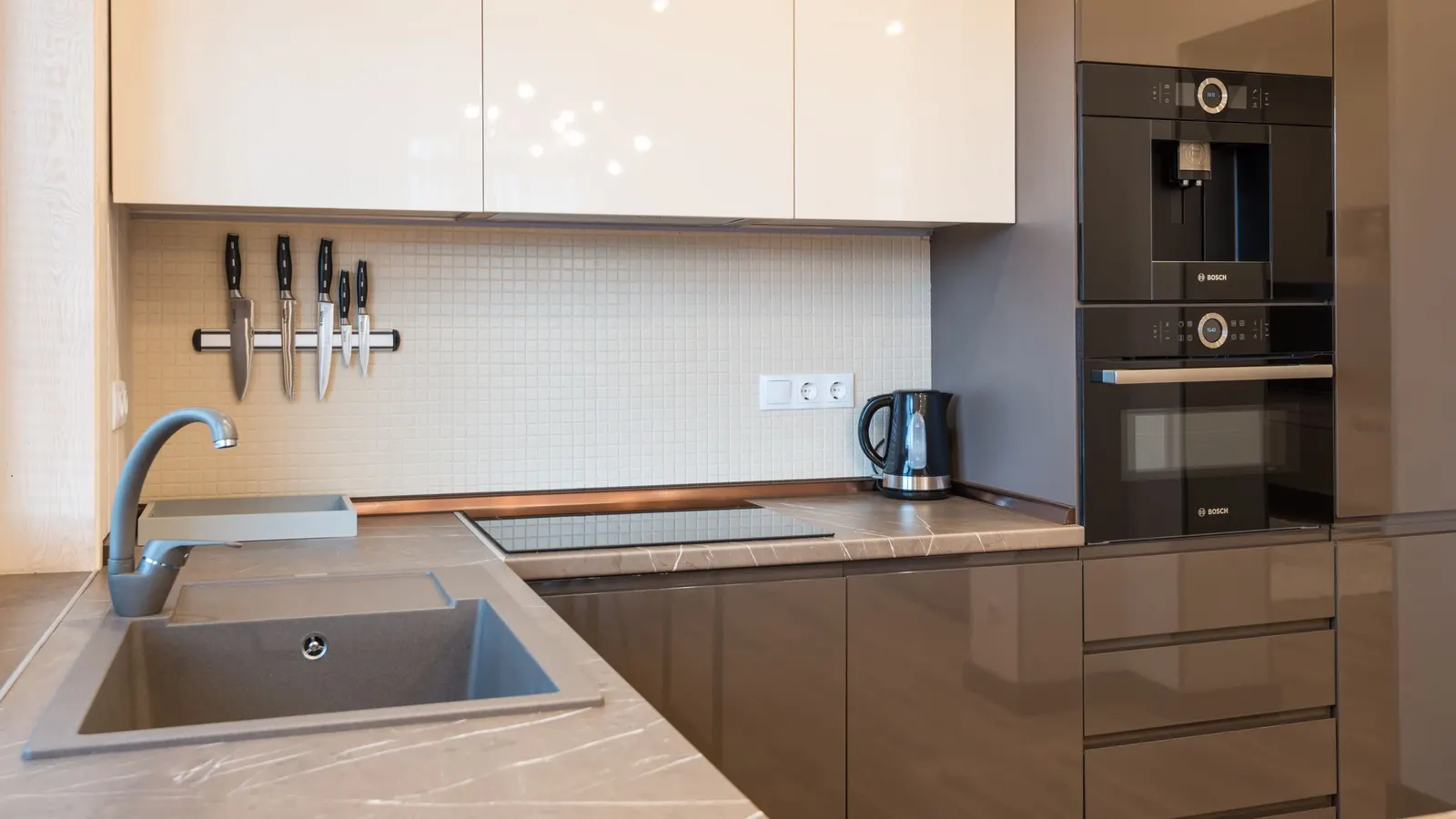
Energy efficient appliances do the same jobs with less electricity, which lowers your bills every month for years. But not every upgrade is worth it right away. Replacing a heavily used, old refrigerator can pay off quickly, while replacing a newer dishwasher may not. This guide explains how to read efficiency labels, which ENERGY STAR appliances save the most, and when replacement makes financial sense.
Last reviewed and updated: October 2, 2026. Written by Jeremy Jarvis.
Key takeaways
- Energy efficient appliances lower bills most when they replace old, heavily used equipment such as refrigerators, freezers, water heaters and HVAC.
- The yellow EnergyGuide label shows estimated yearly energy use and cost, which makes comparisons easy.
- ENERGY STAR says certified refrigerators are about 9 percent more efficient than the federal minimum, and old ones can cost far more to run.
- Efficient appliances also shrink the generator or battery you need for outages.
Efficiency has a second benefit that matters to us: it shrinks the generator or battery you need to keep your home running during outages. We will cover that too.
Why energy efficient appliances matter
Appliances run for years, often every day. A small difference in efficiency, multiplied over a decade, adds up. In addition, some appliances run around the clock, such as refrigerators and freezers. Others run for long periods in certain seasons, such as air conditioners and dehumidifiers. Those continuous or heavy users are where efficiency pays off most.
Your electricity rate matters too. The higher your rate, the more each kilowatt-hour saved is worth. Our Electricity Cost Calculator shows what any appliance costs to run at your rate.
Reading ENERGY STAR appliances labels and EnergyGuide
Two labels help you compare. The yellow EnergyGuide label, required on many major appliances, shows estimated yearly energy use in kilowatt-hours and estimated yearly operating cost. It also shows where the model falls in a range of similar models. Because the cost estimate uses a national average rate, the kilowatt-hour figure is the more useful number for your own math.
The ENERGY STAR label shows that a product meets efficiency criteria set by the EPA’s ENERGY STAR program for its category. For example, ENERGY STAR says certified refrigerators are about 9 percent more efficient than models that meet the federal minimum efficiency standard. Use both labels: ENERGY STAR to shortlist, EnergyGuide to compare.
Which appliances use the most energy
Heating and cooling dominate. According to the EIA, more than half of a household’s annual energy consumption, 52 percent in 2020, went to space heating and air conditioning. After that come water heating, refrigeration, laundry, cooking, lighting and electronics. Therefore, the biggest savings usually come from HVAC and water heating, followed by refrigeration.
| Appliance group | Why it matters | Efficient options |
|---|---|---|
| Heating and cooling | Largest share of home energy use | Heat pumps, high-efficiency AC, smart thermostats |
| Water heating | Runs every day | Heat pump water heaters |
| Refrigerators and freezers | Run around the clock | ENERGY STAR models; retire old second fridges |
| Clothes dryers | High power when running | Heat pump dryers, ENERGY STAR dryers |
| Washers and dishwashers | Use hot water and electricity | ENERGY STAR models, cold-water washing |
| Cooking | Moderate use | Induction cooktops |
Refrigerators
Refrigerators are one of the best appliance upgrades, especially if yours is old. ENERGY STAR notes that refrigerators over 15 years old could be costing you about 95 dollars per year to run, and that on average an old refrigerator uses about 20 percent more energy than a certified model. Properly recycling an old refrigerator and replacing it with an ENERGY STAR certified model can save about 150 dollars over the new model’s 12-year lifetime, according to ENERGY STAR.
Configuration matters too. Top-freezer models are often more efficient than side-by-side models of similar size. Features such as through-the-door ice dispensers can add energy use. Choose the size you need, because an oversized fridge uses more energy. Our refrigerator wattage guide explains how to measure your current fridge.
Freezers and second refrigerators
Many homes keep an old fridge or freezer in the garage. That can be costly. ENERGY STAR recommends replacing old second refrigerators with new certified models if you need year-round operation, rather than keeping aging units running. Garages also get hot in summer, which makes refrigerators work harder. If you do not truly need the second unit, retiring it may be the cheapest efficiency upgrade of all.
Laundry
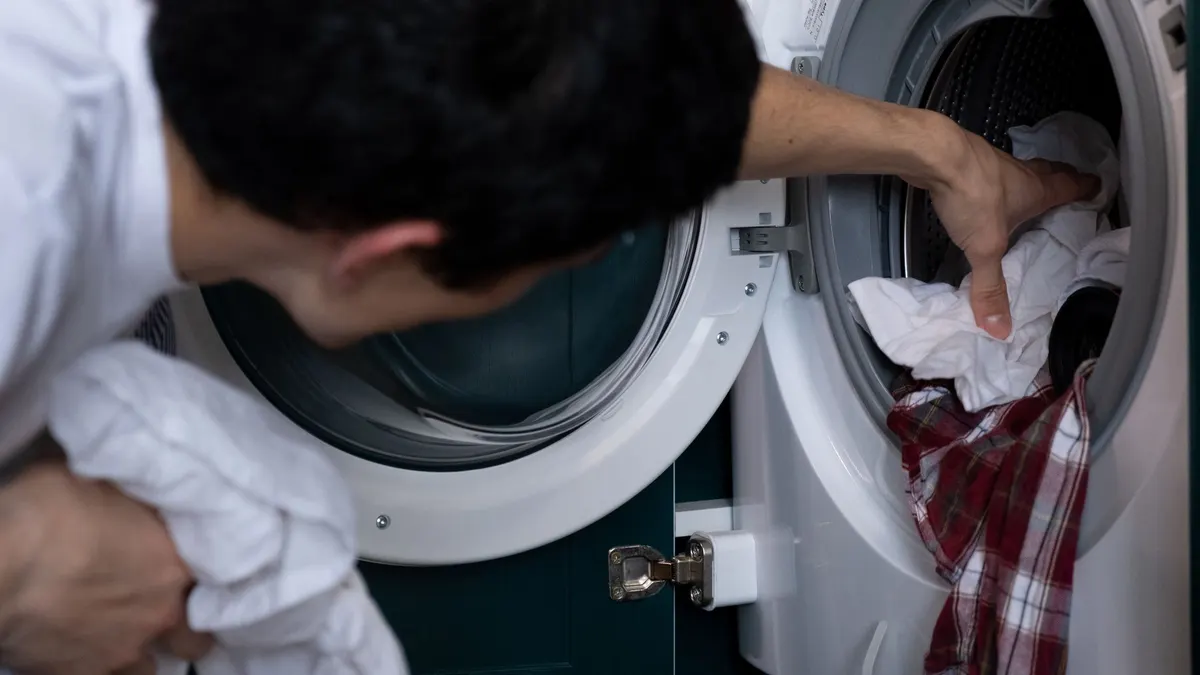
Washers and dryers offer two kinds of savings. Efficient washers use less water and less energy to heat it, and they spin clothes drier, which shortens drying time. Washing in cold water saves more. Dryers use a lot of power while running. Heat pump dryers, which recycle heat instead of venting it, use much less energy than conventional electric dryers, although cycles can take longer.
Dishwashers
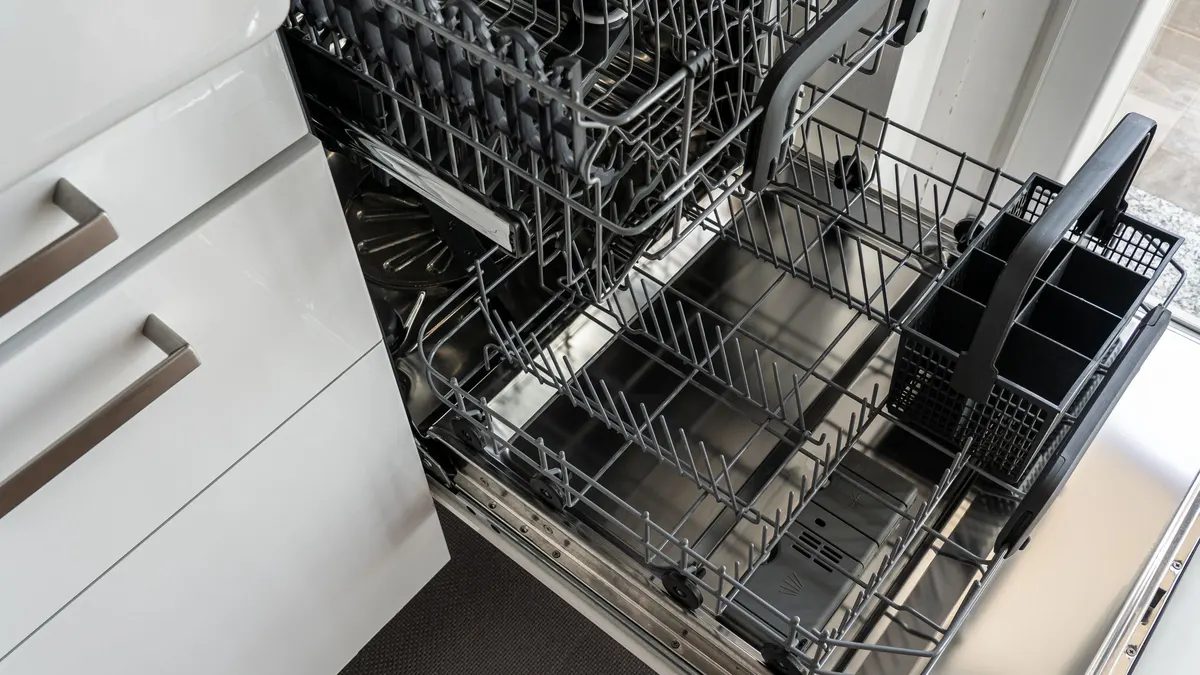
Modern efficient dishwashers often use less water than washing by hand. Run full loads, use eco cycles and skip heated drying to save more. Because a dishwasher uses hot water, efficiency also reduces water heating energy.
Cooking
Induction cooktops heat cookware directly through magnetic fields, which transfers energy efficiently and responds quickly. They also keep kitchens cooler. Induction requires compatible cookware and, for full-size ranges, a 240-volt circuit. Microwave ovens and countertop appliances can also use less energy than a full oven for small meals.
Water heating and HVAC
These are the biggest opportunities, though they cost more. Heat pump water heaters use much less electricity than standard electric tanks. Our heat pump water heater guide explains how they work. For heating and cooling, heat pumps, properly sized equipment and good ductwork matter more than almost any other appliance choice. An audit helps you decide where to start.
Small appliances and standby power
Many devices draw power even when off, such as cable boxes, game consoles, chargers and older electronics. Individually small, together they can add up. Smart power strips that cut power to idle devices, or simply unplugging rarely used electronics, reduce this waste. A home energy monitor shows your baseline use overnight, which reveals standby loads. Our home energy monitor guide explains how.
When replacing with energy efficient appliances pays off
Replacing a working appliance only for efficiency makes sense when the savings are large and fast. That usually means old refrigerators, freezers, dehumidifiers and window air conditioners that run often. For appliances used lightly, such as an occasionally used oven, waiting until the old one fails usually makes more sense. When you must replace something anyway, choosing an efficient model costs little extra and saves for years.
To estimate payback, compare yearly kilowatt-hours on the old and new models. Multiply the difference by your rate to get yearly savings. Then divide the price difference by yearly savings. Our Electricity Cost Calculator helps with the first steps.
Energy efficient appliances and backup power
Efficiency makes outages easier. A modern efficient refrigerator uses less energy, so a power station can run it longer. LED lighting draws a fraction of incandescent bulbs. Efficient fans and electronics stretch a battery further. As a result, efficient energy efficient appliances let a smaller, cheaper backup system cover your essentials. Our Home Power Station Selector shows the effect when you enter lower wattages.
Seasonal appliances: dehumidifiers and window air conditioners
Some appliances run for long stretches in certain seasons, which makes their efficiency matter more than you might expect. Dehumidifiers in damp basements can run for many hours a day all summer. Window air conditioners may run day and night during heat waves. Older units in both categories can use far more electricity than newer ENERGY STAR appliances of the same capacity.
When you replace them, size carefully. A dehumidifier that is too small runs constantly, while one that is far too large wastes money upfront. For window air conditioners, match capacity to room size and choose a model with good efficiency ratings. Also, clean filters regularly, because clogged filters make any unit work harder.
Smart features and demand response
Many new appliances include Wi-Fi and smart features. Some let you schedule energy-hungry tasks, such as laundry or dishwashing, for off-peak hours when electricity costs less. Others can join utility demand response programs, which briefly reduce usage during peak demand in exchange for bill credits. These features can add savings beyond efficiency alone, especially on time-of-use rates.
Smart features are optional, though. A simple efficient appliance used wisely saves most of the energy. If you value scheduling or utility programs, compare models that support them. Otherwise, focus on the efficiency rating and the right size.
Rebates and recycling programs
Many utilities offer rebates for ENERGY STAR appliances, especially refrigerators, heat pump water heaters, heat pump dryers and smart thermostats. Some also run appliance recycling programs that pick up old refrigerators and freezers, sometimes paying a small bounty. These programs keep old units off the grid instead of moving them to a garage or a second home.
Before you shop, check your utility’s website and the DSIRE database for programs in your area. Read the requirements, because some rebates need pre-approval, specific models or proof of recycling. Retailers may also offer haul-away of old appliances with delivery.
Common mistakes when buying energy efficient appliances
One common mistake is buying a larger appliance than you need. A bigger refrigerator or freezer uses more energy, even if it carries an ENERGY STAR label. Choose the right size first, then the most efficient model in that size. Another mistake is comparing estimated yearly costs on labels without adjusting for your own rate. Use the kilowatt-hour figure and your rate instead.
A third mistake is moving the old fridge to the garage when you buy a new one. That can erase the savings, because the old unit keeps running, often in a hot space. Finally, some buyers focus on small appliances while ignoring the water heater or HVAC system, where the biggest savings usually are. An audit helps you keep priorities straight.
Energy efficient appliances for renters
Renters usually cannot replace major appliances, but they can still save. Use efficient settings, such as eco cycles on dishwashers and cold-water washing. Keep refrigerator coils clean and door seals tight. Use LED bulbs, smart power strips and efficient portable appliances you own, such as fans and small microwaves. In addition, ask your landlord about utility rebates, which can make efficient replacements cheaper for them.
Energy efficient appliances checklist
- List your appliances by age and how often they run.
- Prioritize old refrigerators, freezers and heavily used equipment.
- Use ENERGY STAR to shortlist and EnergyGuide to compare kWh.
- Retire unneeded second refrigerators and freezers.
- Consider heat pump dryers and induction when replacing.
- Cut standby power with smart strips or unplugging.
- Check utility rebates and recycling programs.
- Recalculate backup power needs after upgrades.
Where to compare
Before shopping, measure what you use with a plug-in energy meter, and cut standby waste with smart power strips. Then compare ENERGY STAR models in each category. For more upgrades, visit our Energy Savings hub and read our home energy audit guide.
Frequently asked questions about energy efficient appliances
Do energy efficient appliances really save money?
Yes, especially when they replace old, inefficient models that run often. Savings depend on how much you use the appliance and your electricity rate. Compare the yearly energy use on EnergyGuide labels and multiply the difference by your rate.
Which appliances use the most electricity?
Heating and cooling equipment usually use the most, followed by water heaters, refrigerators and freezers, clothes dryers, and cooking. EIA data shows space heating and air conditioning made up more than half of household energy use in 2020.
When should I replace an old refrigerator?
ENERGY STAR notes that refrigerators over 15 years old could be costing you about 95 dollars per year to run, and that properly recycling an old refrigerator and replacing it with a certified model can save about 150 dollars over the new model’s 12 year lifetime.
What does the ENERGY STAR label mean?
It means the product meets efficiency criteria set by the EPA’s ENERGY STAR program for its category. For example, ENERGY STAR says certified refrigerators are about 9 percent more efficient than models that meet the federal minimum standard.
Should I keep my old fridge as a second refrigerator?
Usually not. ENERGY STAR notes that an old refrigerator uses about 20 percent more energy than a certified model. If you need a second fridge year-round, a new certified model is the more efficient choice.
Sources and how we researched this guide
This guide is research-based. We did not test appliances; we use ENERGY STAR’s published product information, EIA data on home energy use and the cost math in our free Electricity Cost Calculator. Compare the EnergyGuide labels of specific models before you buy. Found something out of date? Tell us and we will check it against the source.
- ENERGY STAR: Refrigerators
- ENERGY STAR: Products
- EIA: Use of energy in homes
- U.S. Department of Energy: Energy Saver
Keep planning
- Home Energy Monitor: How It Works, What It Shows and How to Choose
- How Many Watts Does a Refrigerator Use? Running, Starting and Daily kWh
- Home Energy Audit: What It Finds, What It Costs and How to Do Your Own
- Heat Pump Water Heater: How It Works, Where It Fits and What It Saves
Go deeper: Energy Savings hub · Electricity Cost Calculator · Solar Payback Calculator
