
Portable EV Charger: How It Works, What It Can Do and How to Choose
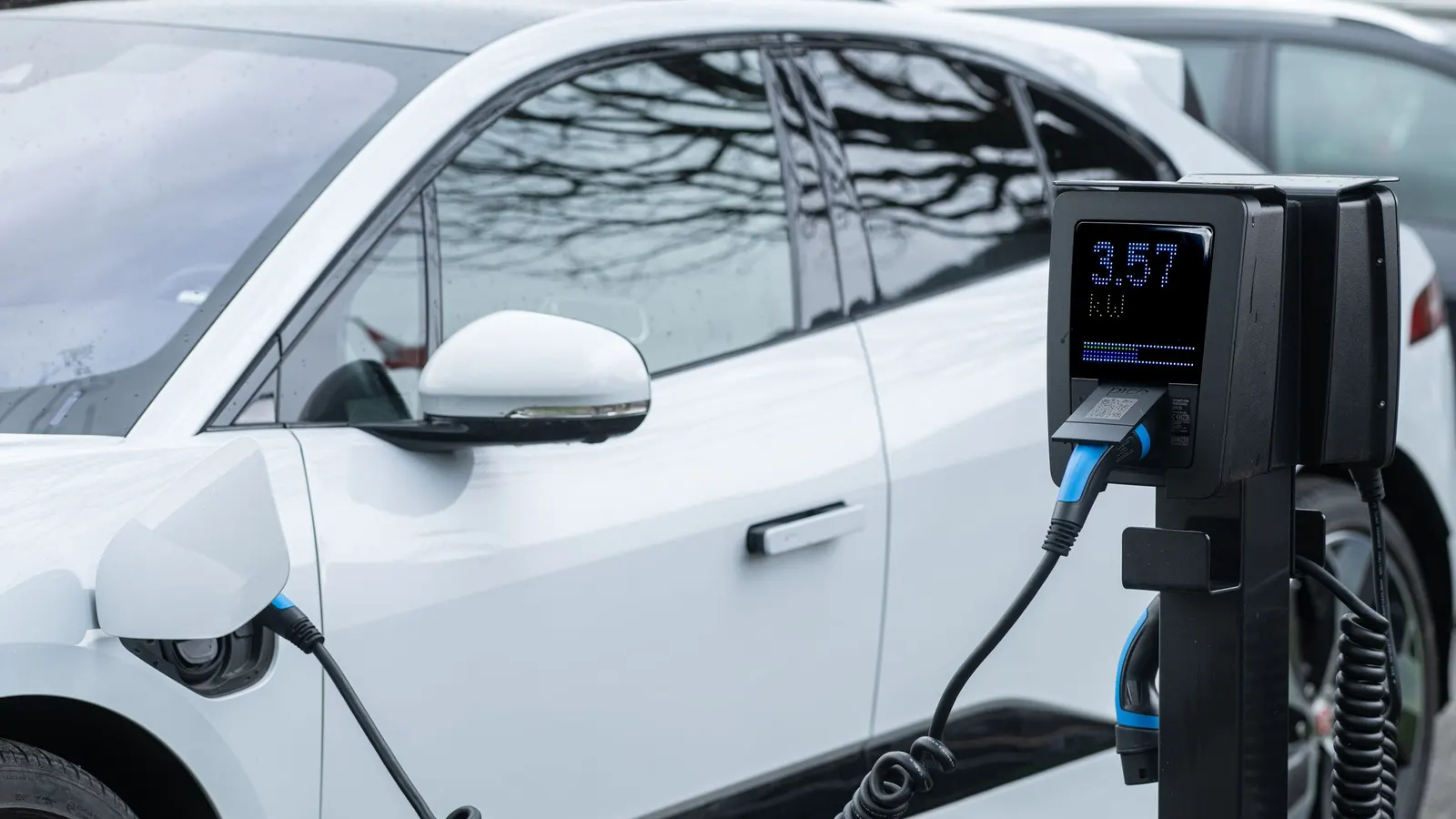
A portable ev charger lets you charge your car from an ordinary outlet, almost anywhere one exists. It is a cordset with built-in control electronics, sometimes called a mobile connector or charging cordset. Because it plugs in rather than mounting on a wall, you can use it at home, at a relative’s house, at a campground or at a rental. This guide explains how a portable electric car charger works, how fast it charges, and how to choose and use one safely.
Last reviewed and updated: October 2, 2026. Written by Jeremy Jarvis.
Key takeaways
- A portable EV charger is a cordset with control electronics that plugs into an outlet and charges your car anywhere a suitable outlet exists.
- Level 1 portable chargers use 120-volt outlets and add range slowly; Level 2 models use 240-volt outlets and charge much faster.
- The outlet’s circuit sets the safe charging current, so plugs and adapters must match the circuit and be approved by the maker.
- For daily home charging, a wall charger or a dedicated outlet often works better; a portable unit shines for flexibility and travel.
We will also cover when a wall-mounted charger makes more sense. Along the way, you can estimate charging times with our free EV Charging Time Calculator.
What a portable EV charger is
Technically, the box on a portable charger is not the charger itself. The real charger sits inside your car. Instead, the portable unit is electric vehicle supply equipment. It checks the connection, communicates with the car, provides safety protection and then switches power on. As a result, it can safely deliver electricity from an outlet to your vehicle.
Many automakers include a basic portable charger with the car. Others sell it as an accessory. Third-party brands also offer portable units with extra features, such as adjustable current, displays or multiple plugs.
Level 1 portable chargers
A Level 1 portable EV charger plugs into a standard 120-volt household outlet. It adds only a few miles of range per hour. Even so, the Department of Energy notes that many drivers meet daily needs by charging overnight with Level 1, as long as an outlet on a dedicated circuit is near the parking spot. Plug-in hybrids with small batteries often do well on Level 1.
The advantage is simplicity. You need no installation, as long as a suitable outlet exists. On the other hand, a long commute or a large battery may outpace what Level 1 can add overnight, especially in cold weather.
Level 2 portable EV chargers
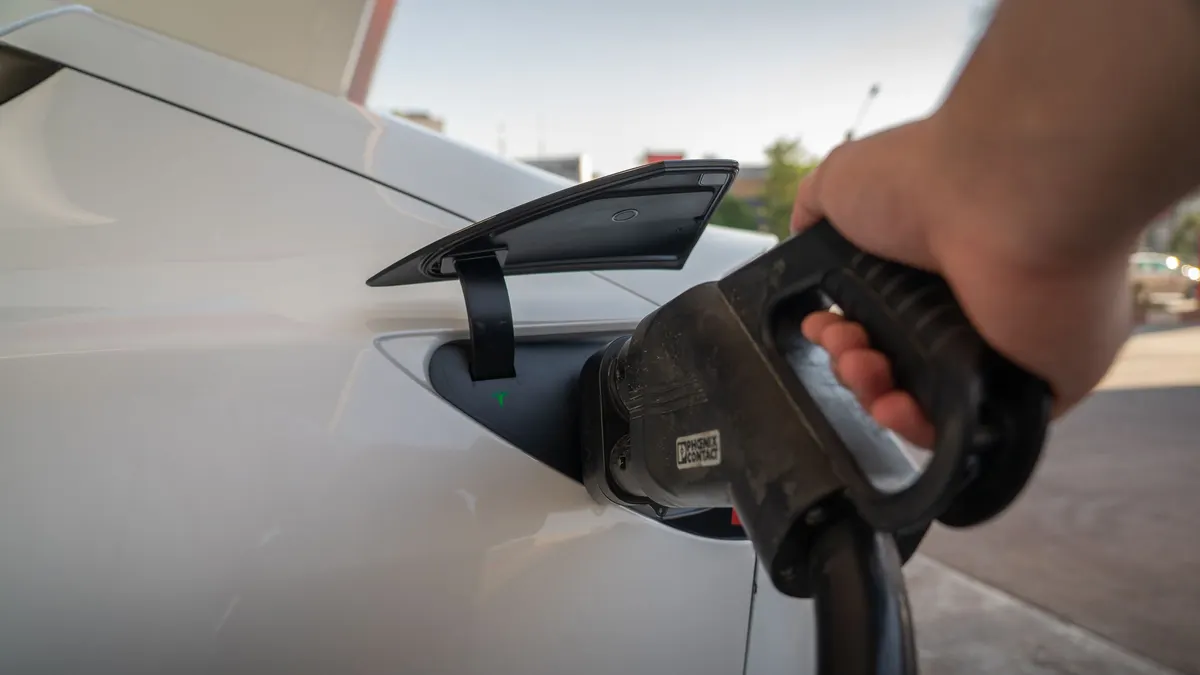
A Level 2 portable EV charger plugs into a 240-volt outlet, most often a NEMA 14-50. Because 240 volts delivers more power, charging is much faster. ENERGY STAR describes Level 2 charging as typically adding about 10 to 20 miles of range per hour, with higher-current setups charging faster. As a result, a Level 2 portable unit can refill a typical day’s driving overnight with ease.
Many Level 2 portable chargers include interchangeable plugs. With the right adapter, the same unit can charge from a 120-volt outlet, a NEMA 14-50 or other 240-volt outlets. That flexibility is the main reason owners choose them.
Amperage and plugs
Every outlet sits on a circuit with a rating. Because EV charging is a continuous load, the National Electrical Code limits it to 80 percent of the circuit rating. Therefore, the outlet’s circuit decides the safe charging current. A 50-amp NEMA 14-50 circuit supports up to 40 amps of charging. On a 30-amp circuit, the limit is 24 amps. Meanwhile, a standard 15-amp household circuit supports about 12 amps.
Good portable chargers handle this automatically. When you attach a plug adapter, the charger recognizes it and limits current accordingly. Some also let you lower current manually, which helps on older circuits. Never override these limits, and never use an adapter that the charger maker does not approve.
Plug adapters: use only approved ones
Adapters are where portable charging can go wrong. Homemade adapters, or cheap adapters that convert one outlet shape to another, can trick a charger into drawing more current than the circuit can carry. That risks overheating and fire. Therefore, use only adapters made or approved by your charger’s manufacturer, which are designed to set the correct current limit.
Similarly, avoid extension cords. Most manufacturers prohibit them for EV charging, because long, high-current sessions can overheat ordinary cords. Plug the charger directly into a properly rated outlet.
How fast a portable electric car charger charges
| Outlet | Typical maximum charging current | Approximate power | Best for |
|---|---|---|---|
| 120-volt household, 15-amp circuit | About 12 amps | About 1.4 kW | Short commutes, plug-in hybrids |
| 240-volt, 30-amp circuit | Up to 24 amps | About 5.8 kW | Overnight charging for many drivers |
| NEMA 14-50, 50-amp circuit | Up to 40 amps | About 9.6 kW | Fast home charging with a portable unit |
Your car’s onboard charger can also limit speed. If your car accepts less than the outlet can supply, the car sets the pace. Use the EV Charging Time Calculator with your car’s limit for a realistic estimate.
Safety and certification
Choose a portable EV charger listed by a nationally recognized testing laboratory, such as UL or ETL. Certification shows it was tested for electrical safety. Look for built-in protections, including ground-fault detection, over-temperature protection and over-current protection. Some models also include a temperature sensor in the plug, which can reduce current if the outlet heats up.
Use common sense too. Before charging, check the outlet for damage and the plug for discoloration. During charging, the plug may feel warm, but it should never be hot. If you notice heat, a burning smell or melted plastic, stop charging and have the outlet inspected.
Outdoor use and weather
Many portable chargers are rated for outdoor use, but the outlet must be too. Outdoor outlets need weather protection that works with the plug inserted, often called an in-use cover. Keep the control box off the ground where possible, and avoid standing water. In addition, protect the cable from being driven over or pinched in doors.
Travel, campgrounds and family visits
Travel is where a portable EV charger shines. Many campgrounds offer 50-amp RV outlets, often NEMA 14-50, which can charge an EV at Level 2 speeds where the campground allows it. Ask permission first, and expect to pay. At a relative’s home, a 240-volt dryer outlet or a 120-volt outlet may work with the right approved adapter.
Plan ahead. Pack the adapters you might need, a cable organizer and a printed note of each adapter’s current limit. Also, remember that older outlets may be worn. Lower the charging current if you are unsure of the circuit’s condition.
Choosing a portable EV charger: features that matter
Beyond safety certification, a few features separate good portable units from frustrating ones. First, check the connector type. North American EVs now use either the J1772 connector or the connector Tesla uses, standardized as SAE J3400. Buy a portable charger with your car’s connector, or an approved adapter from the vehicle maker.
Second, look at cable length. A longer cable helps when outlets are far from where you can park, which is common at relatives’ homes and campgrounds. However, longer cables are heavier and bulkier to carry. Many owners find a moderate length plus careful parking works best.
Third, consider adjustable current. A unit that lets you lower charging current is valuable on older or shared circuits. Displays or apps that show current and energy delivered are helpful too. Finally, check the warranty and the availability of replacement adapters, because adapters are easy to lose on the road.
A portable electric car charger in emergencies
A portable electric car charger can be a useful tool during power disruptions, but with limits. If your home loses power, the charger has nothing to draw from. In that case, a nearby public station, workplace charger or a friend’s outlet can keep you moving. Keep the portable unit in the car so you can use any suitable outlet you find.
Some owners ask about charging from a home generator or power station. Most portable generators and power stations cannot sustain EV charging for long, because charging draws high power for hours. Moreover, running a generator to charge a car burns fuel quickly. It is usually better to charge before a forecast storm and conserve range during an outage.
Caring for your portable charger
Portable chargers get handled more than wall units, so care matters. Coil the cable loosely, without tight kinks, and keep the connector clean and capped. Store the unit in a bag or case to protect it from moisture and road grit. Before each trip, inspect the cable jacket and plugs for cuts or damage.
In addition, check the adapter pins and the control box for any signs of overheating. If a component shows discoloration or damage, stop using it and contact the manufacturer. Replacement parts from the maker keep the safety design intact.
Portable EV charger vs. wall charger
For daily home charging, many owners leave a Level 2 portable unit plugged into a NEMA 14-50 outlet. That works well, as our NEMA 14-50 outlet guide explains. However, a wall-mounted charger has advantages. Hardwired units can deliver more current, avoid outlet wear, support power sharing and often have longer cables. Meanwhile, a portable unit costs less and travels with you.
Some owners buy both: a wall charger for home and a portable unit kept in the car. Our Level 2 EV charger guide compares wall-mounted options.
Using a portable charger at home every day
If a portable unit is your main home charger, set it up like a wall charger. Mount the control box on the wall rather than leaving it on the floor. Use a cable hook to keep the cord tidy. Leave it plugged into the outlet, and avoid frequent plugging and unplugging, which wears the receptacle. Finally, schedule charging for off-peak hours using the car’s app. Our EV Charging Cost Calculator shows how much off-peak rates can save.
Common mistakes with portable chargers
A few mistakes come up again and again. The most serious is plugging into an old or damaged outlet and charging at full current for hours. Older outlets can have worn contacts that heat up under load. Therefore, lower the current on unfamiliar circuits, and stop if the plug gets hot.
Another mistake is assuming every 240-volt outlet is a 50-amp circuit. Dryer outlets, for example, are often on 30-amp circuits, so they support less charging current. Using the correct approved adapter lets the portable electric car charger set the right limit automatically. Finally, many owners forget that a long cable left on the ground can be run over. A few seconds of cable management prevents expensive damage.
Portable EV charger checklist
- Check your car’s connector type and onboard charger limit.
- Choose Level 1 or Level 2 based on daily miles and outlets.
- Pick a certified unit with ground-fault and temperature protection.
- Use only manufacturer-approved plug adapters.
- Never use extension cords.
- Match charging current to the outlet’s circuit.
- Use in-use weather covers for outdoor outlets.
- Mount the box and manage the cable for daily use.
Where to compare portable chargers
When you know your car and outlets, compare current Level 2 portable EV chargers and manufacturer adapter sets. Confirm certification, current ratings and connector compatibility with each manufacturer. For more on home charging, visit our EV Charging hub.
Frequently asked questions about portable EV chargers
Are portable EV chargers safe?
Certified portable chargers used on suitable circuits are designed to be safe. Choose a model listed by a recognized testing laboratory, use only the manufacturer’s approved adapters, avoid extension cords, and stop charging if a plug or outlet gets hot.
How fast is a portable EV charger?
It depends on the outlet and current. On a standard 120 volt outlet, a portable charger adds only a few miles of range per hour. On a 240 volt outlet, a Level 2 portable charger can add roughly 10 to 20 or more miles per hour, depending on current and the car.
Can a portable EV charger be Level 2?
Yes. Many portable chargers support 240 volt outlets such as the NEMA 14-50, which allows Level 2 charging. Some include interchangeable plugs for both 120 and 240 volt outlets.
Do I need a wall charger if I have a portable charger?
Not necessarily. Many owners leave a portable Level 2 charger plugged into a NEMA 14-50 outlet at home. A wall charger can offer higher current, power sharing and less wear from daily handling.
Can I use an extension cord with a portable EV charger?
Generally no. Most manufacturers prohibit extension cords because they can overheat under long, high-current charging. Plug the charger directly into a properly rated outlet.
Sources and how we researched this guide
This guide is research-based. We did not test portable chargers; we use Department of Energy and ENERGY STAR home charging information, the continuous-load conventions of the National Electrical Code, and the math in our free EV charging calculators. Confirm product ratings and compatibility with each manufacturer. Found something out of date? Tell us and we will check it against the source.
- DOE Alternative Fuels Data Center: Charging at home
- ENERGY STAR: Electric vehicle chargers
- NFPA 70: National Electrical Code
- FuelEconomy.gov: Compare electric vehicles
Keep planning
- EV Charger Installation Cost: What Drives the Price and How to Save
- NEMA 14-50 Outlet for EV Charging: Requirements, Safety and Costs
- Level 2 EV Charger: How to Choose and Install One at Home
- Tesla Wall Connector: Specs, Circuit Sizing and Installation Explained
Go deeper: EV Charging hub · EV Charging Cost Calculator · EV Charging Time Calculator
