
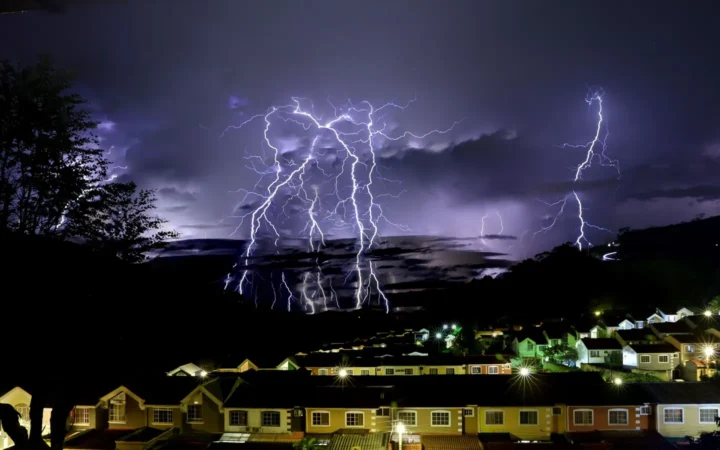
Backup Generators
Portable, inverter, dual fuel and standby generators, plus transfer switches and safe hookups.

Clear, research-based guides and free calculators for home generators, home batteries, solar, EV charging and outage prep, so you buy the right size the first time.
Size it right. Hook it up safely. Never sit in the dark.
Follow the path in order. Each step has a plain-English guide and a free tool that shows its working.
Kit, plan and food safety basics. Outage checklist
What must keep running? Size calculator
Generator, battery or both. Build your plan
Transfer switch or interlock, by a licensed electrician. Switch selector
Solar and efficiency shrink bills and backup size. Solar payback
Six guides, each built around the questions homeowners actually search for before they buy.
Portable, inverter, dual fuel and standby generators, plus transfer switches and safe hookups.
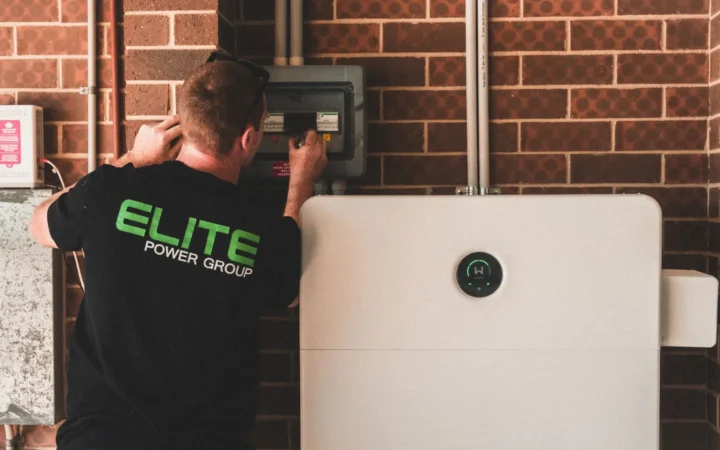
Whole-home batteries and portable power stations sized from your real loads.

Costs, payback, net metering, plug-in and off-grid solar, explained with your own numbers.
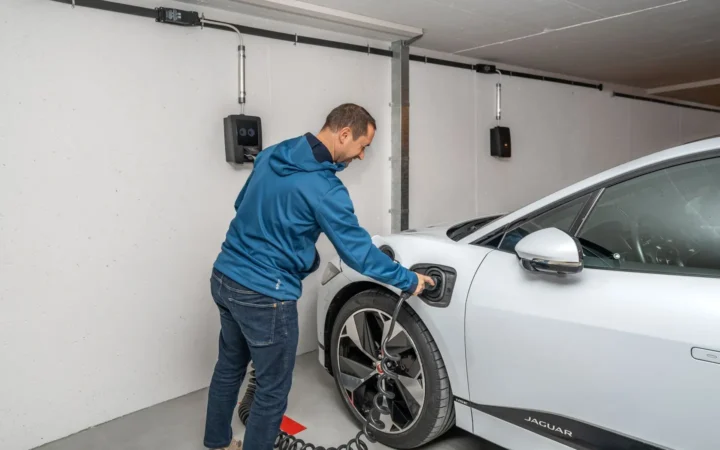
Level 2 chargers, NEMA 14-50 outlets, installation costs and charging times.

Kits, food safety, medical devices, sump pumps and what to do when the power goes out.
Audits, efficient appliances, heat pump water heaters and real appliance wattage.
Every tool explains its assumptions and formulas, runs in your browser, and never saves what you type. They recommend sizes, never brands.
Six questions, one personalised step-by-step plan to keep your home powered, with the right tools and guides.
Add up running and starting watts for the appliances you need in an outage.
How long a home battery or power station runs your essentials, with or without solar.
List your devices to get the capacity, output and solar size you need.
Payback years and long-term savings from your own quote, rate and sunshine.
How many panels and what system size cover your yearly electricity use.
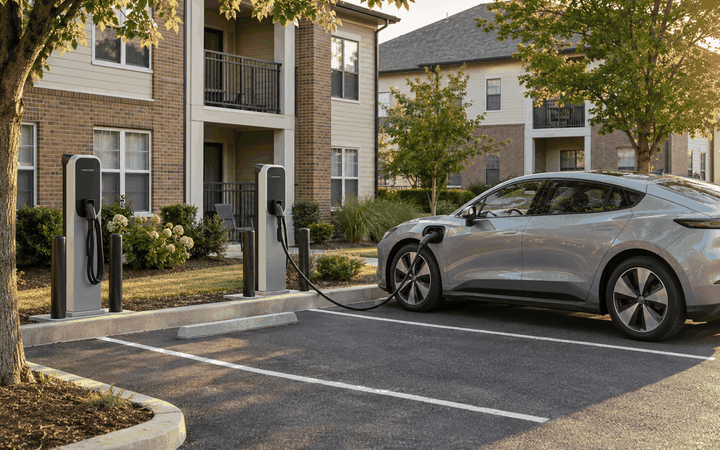 EV Charging
Compare apartments with EV charging using a practical checklist for access, fees, parking rules, lease terms and backup charging.
 Backup Generators
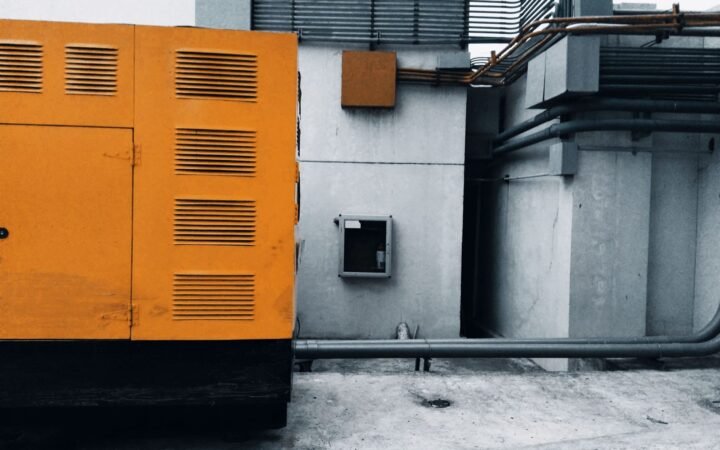
Most generator deaths come from one decision: putting the machine somewhere convenient instead of somewhere safe. Here is the placement, wiring and fuel guidance that prevents them.
 Product Comparisons
Generators run for days on fuel but produce exhaust and noise. Batteries are silent and safe indoors but run out. Here is how to tell which one your outages call for.
 Energy Efficiency
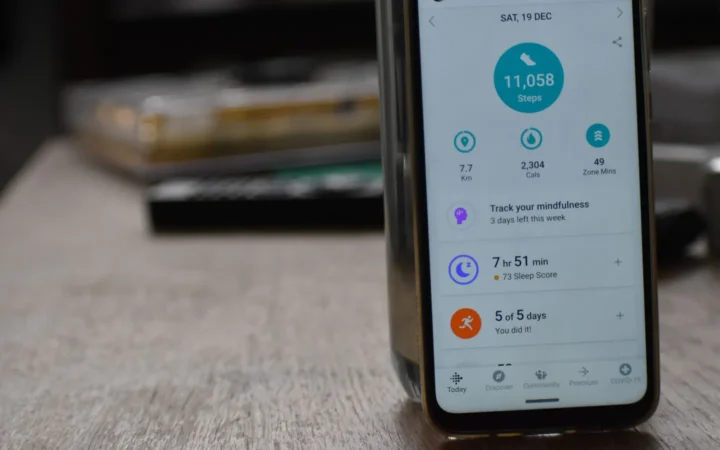
How a home energy monitor works, the differences between panel, plug-in and utility smart meter options, what circuit-level tracking reveals, solar and battery monitoring, installation, privacy and how to turn data into savings.
 Portable Power Stations
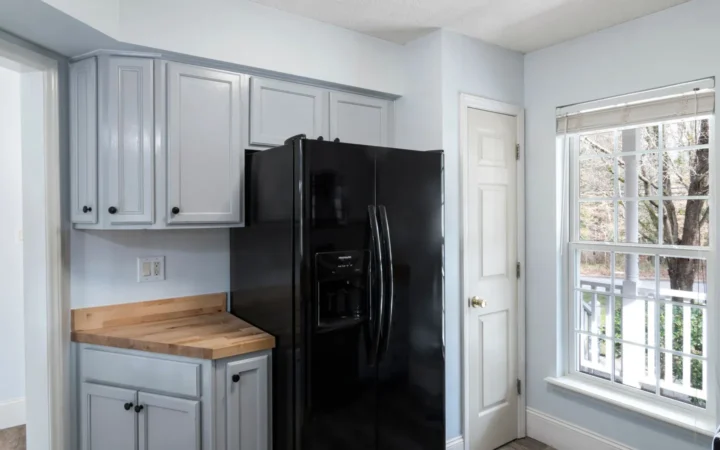
How many watts a refrigerator uses while running and starting, why daily kilowatt-hours matter more than nameplate watts, how to measure your own fridge, what it costs to run, and how to size backup power for it.
 Energy Efficiency
How to choose energy efficient appliances: reading EnergyGuide and ENERGY STAR labels, which appliances use the most energy, when replacing an old unit pays off, heat pump and induction options, and how efficiency shrinks backup power needs.
Side-by-side comparisons that follow our published review methodology. We say clearly whether we tested a product or researched it.
Product Comparisons
Generators run for days on fuel but produce exhaust and noise. Batteries are silent and safe indoors but run out. Here is how to tell which one your outages call for.
 Portable Power Stations
How to choose the best portable power station for home backup: the specifications that matter, size classes and what each can run, charging and expansion, safety, warranty and common buying mistakes.
 Home Batteries
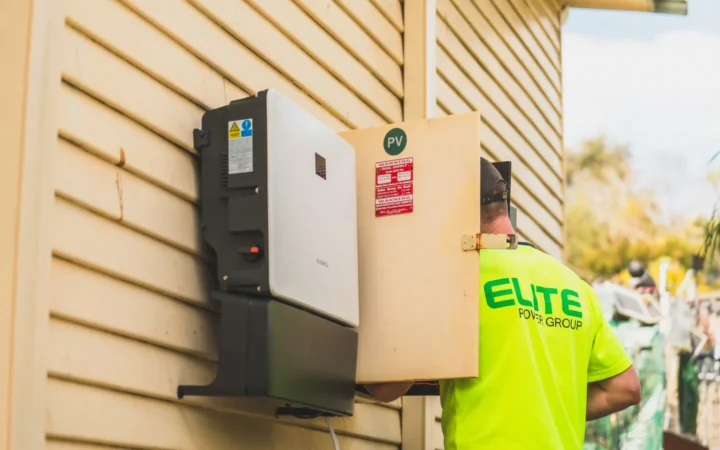
A research-based guide to Tesla Powerwall 3: how its integrated battery and solar inverter work, the specifications Tesla publishes, backup and expansion options, installation, costs and how to decide if it suits your home.
Backup power can save a basement or a freezer full of food, and it can also cause carbon monoxide poisoning, fires and deadly backfeed when it is done wrong. Every guide follows official safety guidance and tells you when a licensed electrician is required.
Answer six quick questions about outages, critical equipment, heating, solar and EVs. Get a personalised, step-by-step plan with the exact calculators and guides for each step.
No sign-up and no email needed. Print it or save it as a PDF when you are done.
General guidance only. A licensed electrician should install anything connected to home wiring.
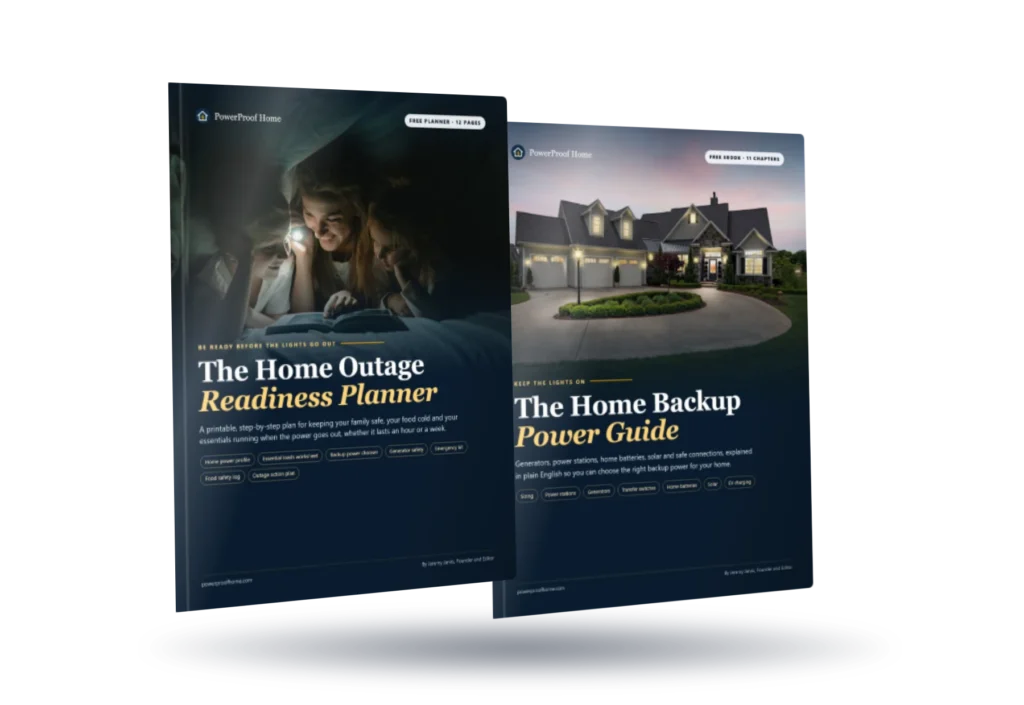
Our printable planner: an essential-loads worksheet, generator and battery sizing pages, a fuel and maintenance log, a food safety timeline and a family outage plan. Tick the box if you would also like our newsletter: new tools, storm-season reminders and honest gear notes. No hype, and you can unsubscribe at any time.
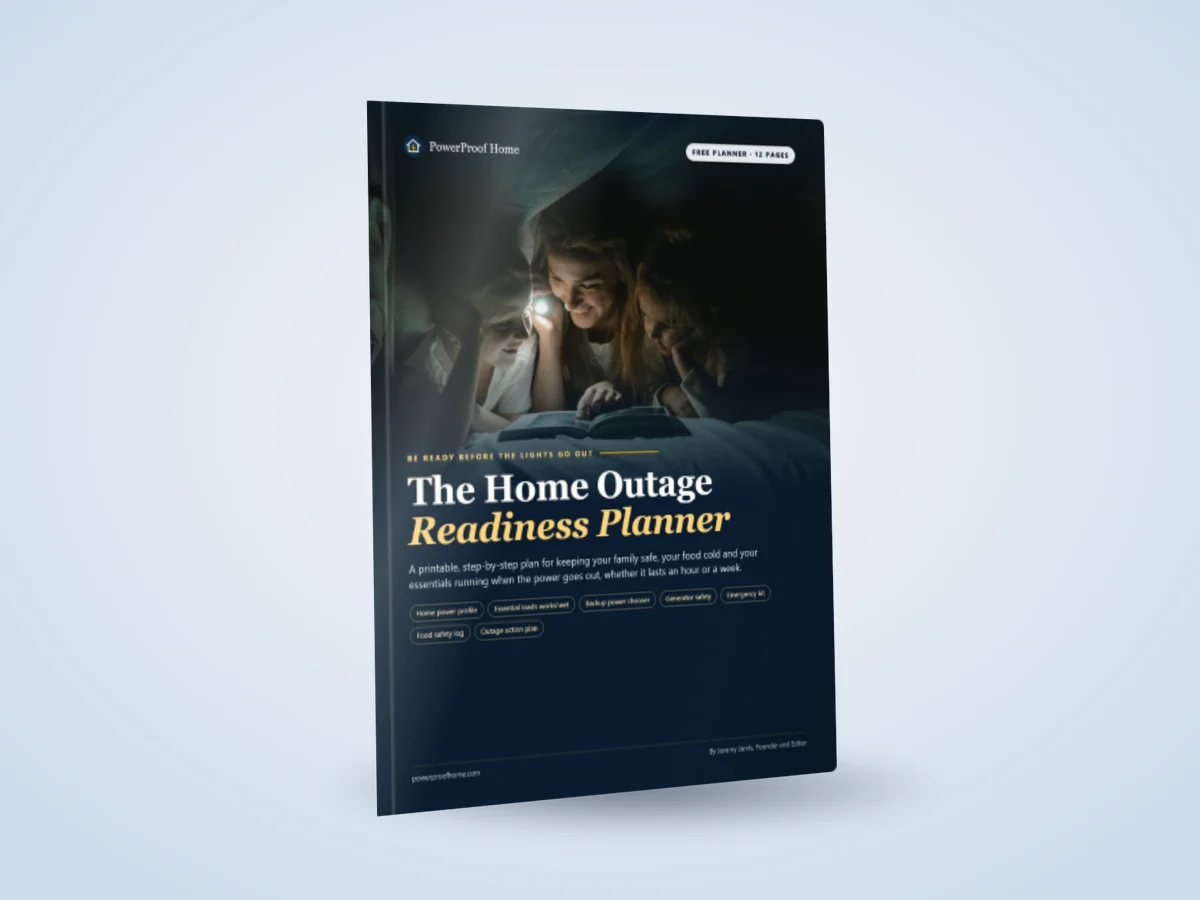
Free download: The Home Outage Readiness Planner
Our 12-page printable planner: a home power profile, essential loads worksheet, backup power chooser, safety rules, emergency kit and food safety log.
We cite primary sources, separate fact from opinion, and never claim to have tested something we have only researched.
We may earn a commission from some links, at no cost to you. Commissions never decide what we recommend or how a tool calculates.
Spot something out of date? Tell us and we will check it against the source and log the fix.

PowerProof Home was founded by Jeremy Jarvis to give homeowners the backup power resource he wanted: clear numbers, honest trade-offs, safety guidance from official sources, and tools that show their work, instead of sales pages that push the biggest unit.
Yes. Every guide and tool on the site is free. We are reader-supported through affiliate commissions, which never change how a calculator works or what it recommends.
No. The calculators run entirely in your browser. Nothing you type is saved or sent to us.
We tell you on every review whether we tested a product hands-on or researched it from specifications, manufacturer documentation and independent sources. We never present research as personal testing.
Connecting backup power to home wiring needs a transfer switch or an approved interlock installed by a licensed electrician, and usually a permit. Never plug a generator into a wall outlet, because it can backfeed the grid and injure utility workers.
It depends on how often and how long you lose power, what you need to run, noise and fuel limits, and budget. Our free Home Power Plan Builder walks you through the trade-offs in about two minutes.