
Plug-In Solar: How Balcony Solar Works and Where It Is Legal in the US
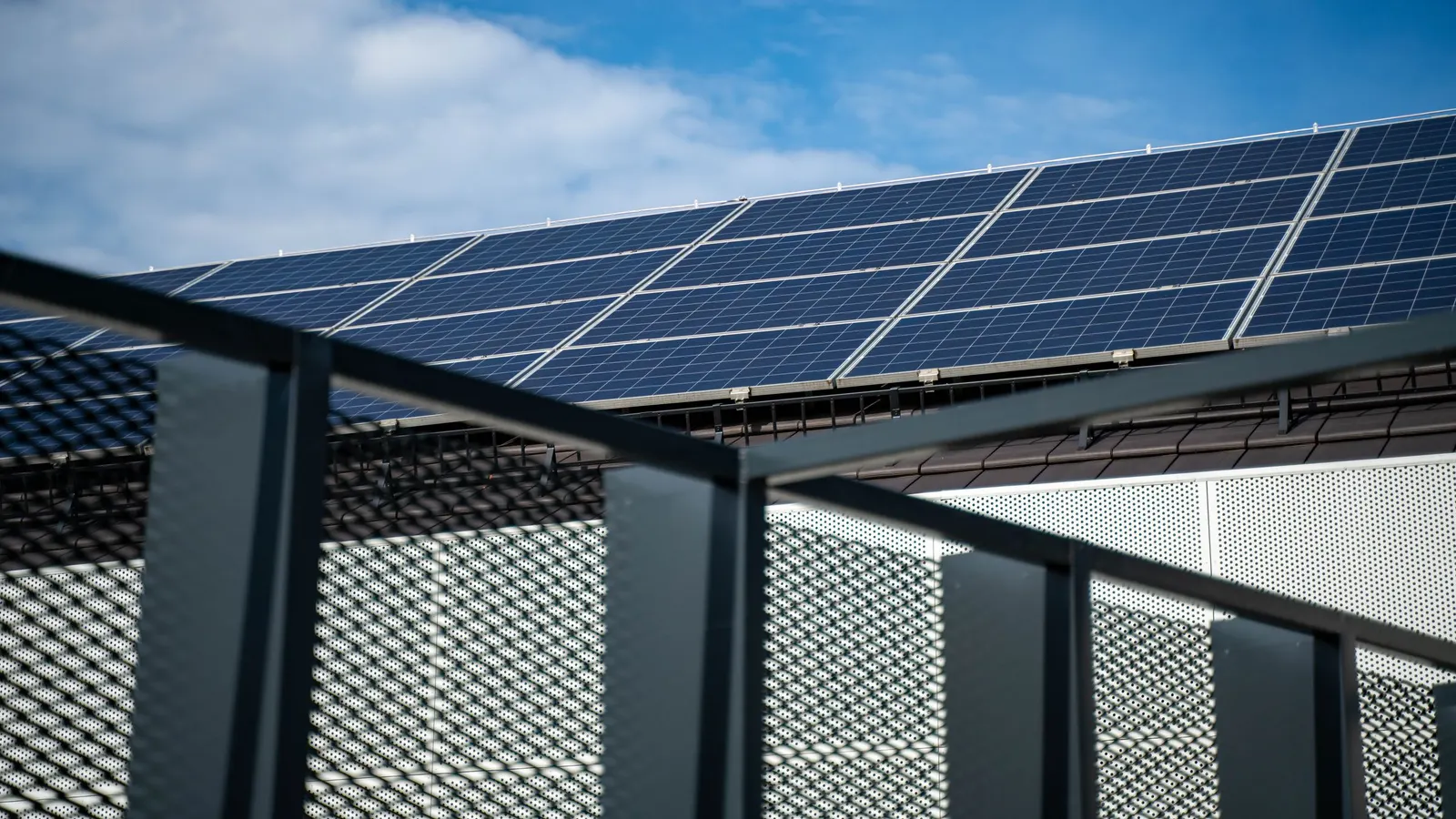
Plug in solar, also called balcony solar, is a small solar kit that connects to your home through an ordinary outlet. The panels feed power into your home’s wiring, which offsets some of the electricity you would otherwise buy. It is common in parts of Europe, and in the United States it moved from a gray area to state law in just two years. This guide explains how plug-in solar works, where it is legal, what it can save, and how to buy and use it safely.
Last reviewed and updated: October 1, 2026. Written by Jeremy Jarvis.
Key takeaways
- Plug-in solar is a small solar kit that plugs into a standard outlet and offsets some of your home’s electricity use.
- Utah legalized it in 2025, and a wave of states followed in 2026, each with its own size limits, certification rules and start dates.
- Kits are small, so savings are modest; they suit renters and anyone who cannot install rooftop solar.
- Buy only certified equipment with anti-islanding protection, and follow your state’s rules exactly.
This is general information, not legal advice. Laws differ by state and are changing quickly, so always confirm the current rules where you live.
What plug-in solar is
A plug-in solar kit usually includes one to a few solar panels, a microinverter and a cable that ends in a standard plug. The microinverter turns the panels’ DC power into AC power matched to your home’s electricity. When you plug it in, that power flows into the circuit and is used by whatever is running in your home at the time.
Because the kit is small, it typically covers only part of a home’s daytime use, often the steady background loads such as a refrigerator, internet equipment and electronics on standby. The idea is simple, low-cost solar that anyone can set up without a roof installation.
How it works with your home’s wiring
Power from a plug-in kit follows the path of least resistance to nearby loads. If your home is using more power than the kit produces, all of the solar power is used on site, and you buy less from the grid. If the kit produces more than your home uses at that moment, the extra may flow back toward the meter. How that extra is treated depends on your meter and utility rules.
Safety is built into certified devices. They include anti-islanding protection, which shuts the inverter off when the grid goes down. As a result, a plug-in kit cannot energize utility lines during an outage. That also means it will not power your home in a blackout, which is an important limitation.

Where plug-in solar is legal
Utah was first. Its H.B. 340, passed in 2025, created a category of portable solar generation devices that connect to a standard outlet, with a maximum output of 1,200 watts and safety and certification requirements. Qualifying devices are exempt from interconnection agreements, according to the bill.
In 2026, momentum grew quickly. Reporting from Third Act in July listed Maine, Virginia, Colorado, Maryland, New Hampshire, Connecticut and Vermont as having passed plug-in solar laws, with New York’s legislature also passing a bill. New Jersey enacted a law in September, and pv magazine USA reported on October 1 that California had signed SB 868, which allows devices up to 1,200 watts of AC output starting January 1, 2027. pv magazine also reported that New York’s bill was still awaiting the governor’s signature.
Each state sets its own rules. Size limits, certification requirements, notification rules and start dates differ. Therefore, read your state’s law or your utility’s guidance before you buy.
Typical rules in plug-in solar laws
| Rule type | What laws commonly address | What to check in your state |
|---|---|---|
| Size limit | A maximum output per device or per home | The exact wattage cap and how it is measured |
| Certification | Listing by a recognized testing laboratory | Which standards the device must meet |
| Anti-islanding | Automatic shutoff when the grid is down | That the inverter includes this protection |
| Interconnection | Exemption from formal interconnection agreements | Whether notification is still required |
| Landlords and associations | Limits on bans in some states | Lease terms and association rules |
| Start date | When the law takes effect | Whether the law is in force yet |
What plug-in solar can save
Savings depend on three things: how much the kit produces, how much of that you use at home, and your electricity rate. A kit’s yearly production is roughly its wattage times your local sun hours, minus losses. Then multiply the kilowatt-hours you use on site by your rate. The U.S. Energy Information Administration shows residential electricity prices vary widely by state, so the same kit saves more where power is expensive.
Here is a simple way to estimate. Suppose a small kit produces a few hundred kilowatt-hours a year in your location. If your rate is near the national average, that offsets part of your bill, enough to notice but far from eliminating it. Our Electricity Cost Calculator helps you see which appliances the kit could cover, and the Solar Panel Calculator estimates production for larger systems.
Kits are inexpensive compared with rooftop systems, so payback can still be reasonable where rates are high. However, be skeptical of marketing that promises dramatic savings from a single small panel.
Who plug-in solar suits
Plug-in solar suits people who cannot install rooftop solar. Renters, condo owners and people with shaded or unsuitable roofs are the main audience. It also suits homeowners who want to try solar before committing to a larger system, and people with a sunny balcony, patio or yard.
It suits less well if you want backup power during outages, because anti-islanding shuts it off when the grid fails. For backup, a power station with portable panels is the better tool. Our solar generator guide explains that option.

Safety considerations
Plug-in solar is designed to be safe when you use certified equipment as intended. Use only devices certified for this purpose, with anti-islanding protection. Plug into a suitable outdoor-rated or properly protected outlet as the manufacturer and your state’s rules require. Avoid extension cords unless the instructions allow them, and never exceed the size limit.
Some electricians raise concerns about adding power to a circuit that may already carry heavy loads. State laws and certification standards address this in different ways. If your home is older or you are unsure about a circuit, ask a licensed electrician to look at it. Also, secure panels against wind, especially on balconies.
How to buy plug-in solar legally
Start with your state’s law. Confirm that it is in force, then note the size limit and certification requirements. Next, check whether your utility requires notification. After that, choose a kit that meets every requirement, from a seller who documents the certification. Keep the documentation in case your utility, landlord or association asks for it.
If your state has no plug-in solar law yet, ask your utility what it allows. Connecting generation to home wiring without approval may violate utility rules. In that case, consider portable panels that charge a power station instead, which does not connect to home wiring.
Placement for the best output
Placement drives production. In the United States, south-facing locations usually produce the most, with east and west facing also workable. Avoid shade from trees, railings and nearby buildings, because shade cuts output sharply. Tilt matters too, so use the mounting hardware the kit provides.
Balconies vary widely. A high, sunny, south-facing balcony may produce well, while a shaded one may produce little. Before buying, watch how sun moves across the spot during the day. A few hours of direct sun make a big difference.
Estimating production for your spot
You can estimate what plug in solar will produce with simple math. Start with the kit’s rated watts. Multiply by your average peak sun hours. Then multiply by 365 days. Finally, subtract about 15 to 25 percent for heat, shade, angle and inverter losses. The result is a rough yearly estimate in watt-hours. Divide by 1,000 to get kilowatt-hours.
Your spot changes the answer a lot. A vertical balcony mount often produces less than a tilted panel in a sunny yard. Partial shade for a few hours can cut output sharply. For a better estimate, watch your spot for a full sunny day. Note when direct sun arrives and leaves. That window is your real production time.
What to expect over a year
Production rises and falls with the seasons. Summer brings long days and high sun. Winter brings short days and a low sun that may not clear railings or buildings. As a result, a balcony kit might produce several times more in June than in December. Plan your savings around the yearly total, not a single sunny week.
Your use matters too. Plug-in solar saves the most when someone is home or appliances run during the day. A refrigerator, internet equipment and a home office use steady daytime power. If your home sits empty all day, more of the solar may flow back to the grid. How that is credited depends on your utility.
Plug-in solar with batteries
Some plug-in kits now include a small battery. The battery stores midday solar for evening use. That can raise the share of solar you use at home. However, batteries add cost and weight. They also raise questions under some state laws. Check whether your state’s rules cover battery-equipped kits before you buy one.
Keep in mind that most plug-in kits, with or without a battery, still shut off during a grid outage. They are designed to save money, not to provide backup. For outage power, look at a portable power station that runs devices directly. Our power station buying guide explains the options.
Questions renters ask
Renters often ask whether they need the landlord’s permission. The answer depends on the lease and the state. Some new state laws limit a landlord’s ability to ban plug-in solar. Even so, leases may still set rules about balcony fixtures and drilling. Ask in writing, and keep the reply.
Another common question is what happens when you move. Plug-in kits are portable, so they move with you. Just check the rules in your new state and building. Finally, renters ask about insurance. Renters insurance may or may not cover the kit. A quick call to your insurer settles it.
Plug-in solar vs. rooftop solar
Rooftop systems are far larger and can cover most or all of a home’s use. They require professional installation, permits and utility interconnection, and they cost much more. Plug-in solar is small, cheap and portable, but it saves much less. For homeowners with a good roof, rooftop solar usually offers greater long-term savings. Our solar panel cost guide explains rooftop pricing.
Plug-in solar checklist
- Confirm your state’s plug-in solar law is in force.
- Note the size limit and certification requirements.
- Check whether your utility requires notification.
- Choose a certified kit with anti-islanding protection.
- Pick a sunny, secure location with a suitable outlet.
- Check lease terms or association rules.
- Estimate savings from your rate and expected production.
- Keep certification documents on file.
Where to compare kits
If your state allows it, compare current balcony solar kits and confirm that each meets your state’s size and certification rules before buying. If your state does not allow it yet, compare portable solar panels for power stations instead. For more on home solar, visit our Home Solar hub.
Frequently asked questions about plug-in solar
Is plug in solar legal in the US?
It depends on the state. Utah legalized plug-in solar devices up to 1,200 watts in 2025, and several other states passed their own laws in 2026 with different limits and start dates. In states without a specific law, connecting generation to home wiring generally requires utility approval.
How much can plug in solar save?
Savings depend on the kit size, your sunshine and your electricity rate. A small kit offsets only part of a home’s use, so savings are modest. Multiply the kit’s expected yearly kilowatt-hours by your electricity rate for an estimate.
Do I need permission to install plug in solar?
In states with plug-in solar laws, qualifying devices may be exempt from interconnection agreements and permits, though some laws still require notifying the utility. Elsewhere, ask your utility before connecting any solar to your home.
Is plug in solar safe?
Certified devices designed for this use include anti-islanding protection that stops output when the grid goes down, so they cannot backfeed utility lines. Use only certified equipment, a suitable outlet and the manufacturer’s instructions.
Can renters use plug in solar?
Renters are among the main beneficiaries. Some state laws limit a landlord’s ability to ban plug-in solar, but lease terms and building rules still matter, so check both before installing.
Sources and how we researched this guide
This guide is research-based and is not legal advice. We summarized Utah’s H.B. 340 from the Utah Legislature and reporting on 2026 state laws from pv magazine and Third Act; rules differ by state and change quickly, so confirm the current law and your utility’s rules before installing anything. Found something out of date? Tell us and we will check it against the source.
- Utah Legislature: H.B. 340 Solar Power Amendments (2025)
- pv magazine USA: California plug-in solar bill signed (October 2026)
- Third Act: Plug-in solar legislation update (July 2026)
- U.S. Department of Energy: Homeowner’s guide to going solar
- EIA: Average residential electricity price by state
Keep planning
- Solar Panel Maintenance: What Panels Need and What They Do Not
- Off-Grid Solar System: How to Size Panels, Batteries and Backup
- Net Metering Explained: How Solar Export Credits Work and Why They Matter
- Solar Tax Credit in 2026: What Ended, What Remains and What to Do Now
Go deeper: Home Solar hub · Solar Panel Calculator · Solar Payback Calculator
