
NEMA 14-50 Outlet for EV Charging: Requirements, Safety and Costs
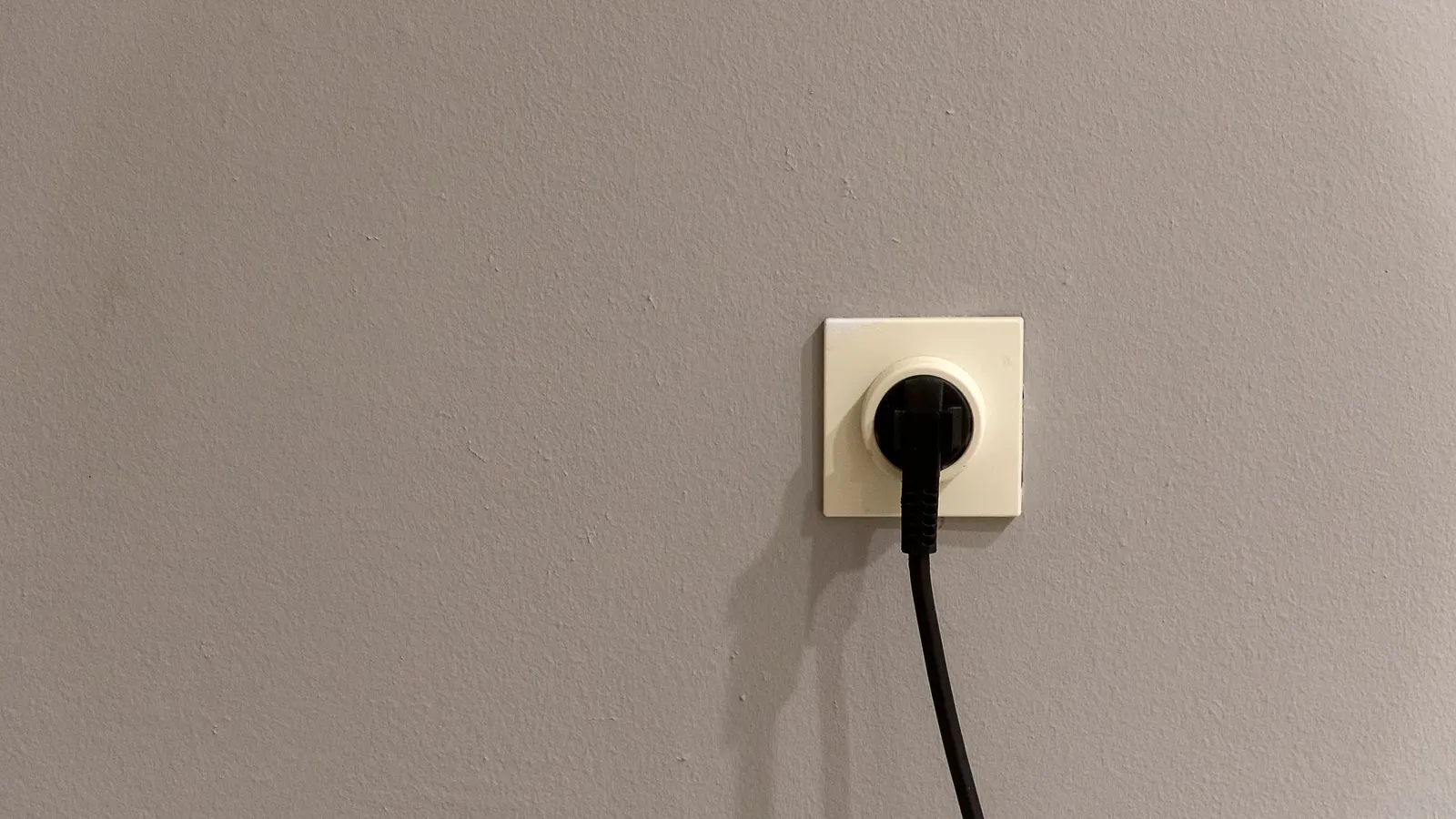
A nema 14-50 outlet is one of the most popular ways to charge an electric vehicle at home. Because it is a 50-amp, 240-volt receptacle, it is the same type used for some electric ranges and RV hookups. Many plug-in Level 2 chargers and mobile connectors use a NEMA 14-50 plug. As a result, a single outlet installation can give you fast, flexible home charging. This guide explains the requirements, the safety rules that matter and how a 50 amp outlet compares with a hardwired charger.
Last reviewed and updated: October 2, 2026. Written by Jeremy Jarvis.
Key takeaways
- A NEMA 14-50 outlet is a 50-amp, 240-volt receptacle that many plug-in Level 2 chargers use.
- Because EV charging is continuous, a 50-amp outlet supports up to 40 amps of charging.
- Ask for a heavy-duty receptacle, correctly sized wire and the ground-fault protection current code requires.
- A hardwired charger can be a better choice for higher amperage, outdoor locations or very frequent use.
This is general information, not electrical advice. A licensed electrician must install the circuit to current local code.
What a NEMA 14-50 outlet is
For context, NEMA is the National Electrical Manufacturers Association, which defines plug and receptacle shapes. Specifically, the 14-50 has four slots: two hot conductors, a neutral and a ground. It provides 240 volts between the hot conductors and is rated for 50 amps. That combination makes it a natural fit for Level 2 EV charging.
Because the shape is standardized, any compatible plug fits. Therefore, you can buy a plug-in charger, move it later, or replace it without rewiring. That flexibility is the main reason many EV owners choose an outlet over a hardwired unit.
Why EV owners choose a 14-50 outlet
For EV owners, the outlet route has several advantages. First, it works with many brands of plug-in chargers and mobile connectors. Second, if a charger fails, you unplug it and plug in another. Third, if you move, you can take the charger with you. Fourth, the outlet can serve other uses, such as an RV or welder, if you ever need it.
However, there are trade-offs, which we cover below. In particular, the continuous current limit and receptacle quality deserve attention.

The 40-amp continuous limit
EV charging is a continuous load, meaning it runs for hours at a time. Under the National Electrical Code, continuous loads should not exceed 80 percent of the circuit rating. As a result, a 50-amp NEMA 14-50 outlet supports up to 40 amps of EV charging. At 240 volts, that is about 9.6 kW.
For many vehicles, though, that is plenty. ENERGY STAR describes typical Level 2 charging as adding about 10 to 20 miles of range per hour. However, if your car accepts more than 9.6 kW and you want the fastest home charging, a hardwired charger on a 60-amp circuit can deliver up to 48 amps. Check your car’s onboard charger rating to see whether that matters for you.
Circuit and wire requirements
A NEMA 14-50 outlet needs a dedicated 240-volt circuit with a 50-amp, two-pole breaker. The wire must be rated for the circuit under the National Electrical Code, which depends on wire material, insulation type and installation conditions. As a result, your electrician chooses the gauge and wiring method.
In addition, your main panel needs capacity for the new circuit. The Department of Energy notes that some homes have insufficient electric capacity for Level 2 equipment, and that an electrician can add circuits or capacity. A load calculation tells you whether the panel can carry the new load, or whether load management or an upgrade is needed.
Ground-fault protection
As the name suggests, ground-fault protection protects people from shock. Recent editions of the National Electrical Code expanded ground-fault requirements to many 240-volt receptacles, including those in garages and outdoors, and to EV charging outlets. Some plug-in chargers also include their own ground-fault detection. When two devices both monitor for ground faults, nuisance tripping can occur with some combinations.
Your electrician will follow the code your area has adopted and can suggest products that work well together. If you experience nuisance trips after installation, ask the electrician and the charger maker for guidance rather than removing protection.
Receptacle quality matters
Even so, not all NEMA 14-50 receptacles are equal. Many inexpensive receptacles are designed for ranges or dryers, which are plugged in once and left alone. EV charging, by contrast, is different. You may run high current for hours every night, and some owners plug and unplug frequently. Over time, a low-quality receptacle can loosen, overheat or fail.
Therefore, ask your electrician for a heavy-duty, industrial-grade receptacle intended for frequent use and high continuous current. In addition, ask for proper torque on the terminals, because loose connections are a common cause of heat. After installation, avoid frequently plugging and unplugging the charger. Leave it plugged in, and use the car’s connector at the vehicle end instead.
Where to put the outlet
Next, placement affects convenience and safety. Mount the outlet near where you park, so the charger’s cable reaches the car’s port without stretching. Consider where you will park in the future, too. If the outlet is outdoors, use an enclosure rated for weather with the plug inserted, often called an in-use cover. Keep the outlet clear of car doors, snow, sprinklers and foot traffic.
Mounting height and the charger’s weight matter as well, because some units are heavy. Some plug-in chargers are heavy, so they should hang on a wall mount rather than from the receptacle. Follow the charger maker’s instructions.
NEMA 14-50 outlet vs. hardwired charger
| Factor | NEMA 14-50 outlet | Hardwired charger |
|---|---|---|
| Maximum EV charging current | 40 amps on a 50-amp circuit | Up to 48 amps or more on a larger circuit |
| Flexibility | Swap or move chargers easily | Replacement needs an electrician |
| Wear points | Receptacle can wear with heavy use | No receptacle to wear |
| Outdoor installs | Needs an in-use weather cover | Often simpler outdoors |
| Other uses | Can serve an RV or tools | EV charging only |
In the end, both are valid. If you want the fastest home charging or plan to charge outdoors daily, a hardwired unit may suit you better. Our Level 2 EV charger guide and Tesla Wall Connector guide cover hardwired options.
Other 240-volt outlets
Also, some homes already have other 240-volt outlets, such as a NEMA 14-30 dryer outlet or a NEMA 6-50 welder outlet. Some chargers and mobile connectors offer adapters for these. However, the circuit rating sets the safe charging current. A 30-amp circuit supports only 24 amps of continuous charging. Use only adapters and settings approved by the charger or vehicle maker, and never use homemade adapters.
Charging speed on a NEMA 14-50 outlet
How fast will you charge? At 40 amps and 240 volts, the outlet delivers about 9.6 kW, minus a little loss. If your car’s onboard charger accepts at least that much, a typical overnight session refills a long commute with room to spare. If your car’s onboard charger accepts less, the car sets the pace instead. Our EV Charging Time Calculator estimates hours for your car and circuit.
Weather affects charging too. In cold weather, batteries charge more slowly, and some energy goes to warming the pack. Also, charging slows as the battery nears full. Therefore, treat calculated times as a minimum, and plan a little extra in winter.
Mobile connectors and plug-in chargers
Two kinds of equipment plug into a NEMA 14-50 outlet. Mobile connectors, often supplied by automakers or sold as accessories, are portable cordsets with interchangeable plugs. They are convenient for travel, but some limit current below the outlet’s full 40-amp capacity. Wall-mounted plug-in chargers stay on the wall and often deliver the full 40 amps.
Check the current rating of whatever you plan to use. If your mobile connector tops out below 40 amps, you may not benefit from a 50 amp outlet’s full capacity. In that case, a smaller circuit might be enough, or a wall-mounted charger might be worth the upgrade. Our portable EV charger guide compares the options.
Detached garages and long runs
A detached garage or a parking pad far from the panel changes the job. The electrician may need to run wire underground in conduit, which involves trenching and inspection. Alternatively, a subpanel in the garage can serve the outlet and other loads. These options cost more, but they can also prepare the garage for future needs, such as a workshop or a second charger.
Also, voltage drop is a consideration on long runs. Larger wire may be needed to keep voltage at the outlet within acceptable limits. Your electrician will calculate this. Ask for the calculation if the run is long.
Common mistakes to avoid
The most frequent mistake is installing a cheap receptacle meant for a range, then plugging and unplugging it daily. Another is using a 50-amp outlet with a charger set above 40 amps, which overloads the circuit. Equally risky are homemade adapters, which bypass the safety design of plugs and receptacles.
Finally, some owners skip the permit. An inspected installation protects you if anything goes wrong and makes a future home sale smoother. A NEMA 14-50 outlet is a simple, reliable charging solution when it is installed correctly and treated as the high-current circuit it is.
Installation: what to expect
As always, a licensed electrician should install the outlet. The job typically includes a load calculation, a permit, running a dedicated circuit from the panel, installing the breaker and receptacle, adding ground-fault protection as required and an inspection. A short run on the other side of a garage wall from the panel is the simplest case. Long runs through finished walls or to a detached garage take more time and materials.
What it costs
Overall, costs vary with distance from the panel, wire size, wall and floor finishes, permit fees, the receptacle and any panel upgrade. The outlet hardware itself is usually a small part of the total. Our EV charger installation cost guide explains each factor. The federal home charger credit has ended for new installations; the IRS states it applied to property from January 1, 2023, to June 30, 2026. Check your utility for any rebates.
Safe charging habits
Finally, a few habits keep an outlet setup safe. Leave the charger plugged in rather than unplugging it daily. Check the plug and receptacle occasionally for discoloration, melting or heat. If the plug feels hot or you smell burning, stop charging and call an electrician. Keep the area around the outlet clear of flammable materials. Finally, never use extension cords for EV charging unless the charger maker explicitly allows a specific product.
NEMA 14-50 outlet checklist
- Check your car’s onboard charger limit and your charger’s plug.
- Ask for a load calculation on your main panel.
- Plan a dedicated 50-amp circuit with correctly rated wire.
- Request a heavy-duty, industrial-grade receptacle.
- Confirm ground-fault protection under your local code.
- Use an in-use weather cover for outdoor outlets.
- Mount the charger on the wall, not hanging from the plug.
- Hire a licensed electrician and get a permit.
Where to compare
Once your electrician confirms the plan, compare heavy-duty NEMA 14-50 receptacles and plug-in Level 2 chargers. Confirm ratings and certifications with each manufacturer. Estimate charging times with the EV Charging Time Calculator, and visit our EV Charging hub for more.
Frequently asked questions about NEMA 14-50 outlets
Can I charge an EV on a NEMA 14-50 outlet?
Yes. Also, many plug-in Level 2 chargers and mobile connectors use a NEMA 14-50 plug. Because EV charging is a continuous load, a 50 amp outlet supports up to 40 amps of charging.
What size wire does a NEMA 14-50 outlet need?
A 50 amp circuit needs wire rated for 50 amps under the National Electrical Code, which depends on wire type, insulation rating and conditions. A licensed electrician chooses the correct wire for your installation.
Does a NEMA 14-50 for EV charging need GFCI protection?
Current electrical code generally requires ground-fault protection for many 240 volt receptacles, including those in garages and outdoors, and for EV charging outlets. Local adoption varies, so your electrician will follow the code your area uses.
Is a NEMA 14-50 better than a hardwired charger?
An outlet with a plug-in charger is flexible and easy to replace, but it is limited to 40 amps of charging and the receptacle can wear with daily use. A hardwired charger can run higher currents and has no outlet to wear.
Can I use a dryer outlet to charge my EV?
Only with equipment designed and approved for that outlet type and circuit. Dryer outlets are often 30 amp circuits with different plug shapes, so charging current must be lower. Never use homemade adapters.
Sources and how we researched this guide
This guide is research-based and is not electrical advice. We summarize Department of Energy and ENERGY STAR home charging information and the circuit sizing conventions of the National Electrical Code. A licensed electrician must design and install any 240-volt circuit to current local code. Found something out of date? Tell us and we will check it against the source.
- DOE Alternative Fuels Data Center: Charging at home
- ENERGY STAR: Electric vehicle chargers
- NFPA 70: National Electrical Code
- IRS: Alternative fuel vehicle refueling property credit
Keep planning
- EV Charger Installation Cost: What Drives the Price and How to Save
- Portable EV Charger: How It Works, What It Can Do and How to Choose
- Level 2 EV Charger: How to Choose and Install One at Home
- Tesla Wall Connector: Specs, Circuit Sizing and Installation Explained
Go deeper: EV Charging hub · EV Charging Cost Calculator · EV Charging Time Calculator
