
Level 2 EV Charger: How to Choose and Install One at Home
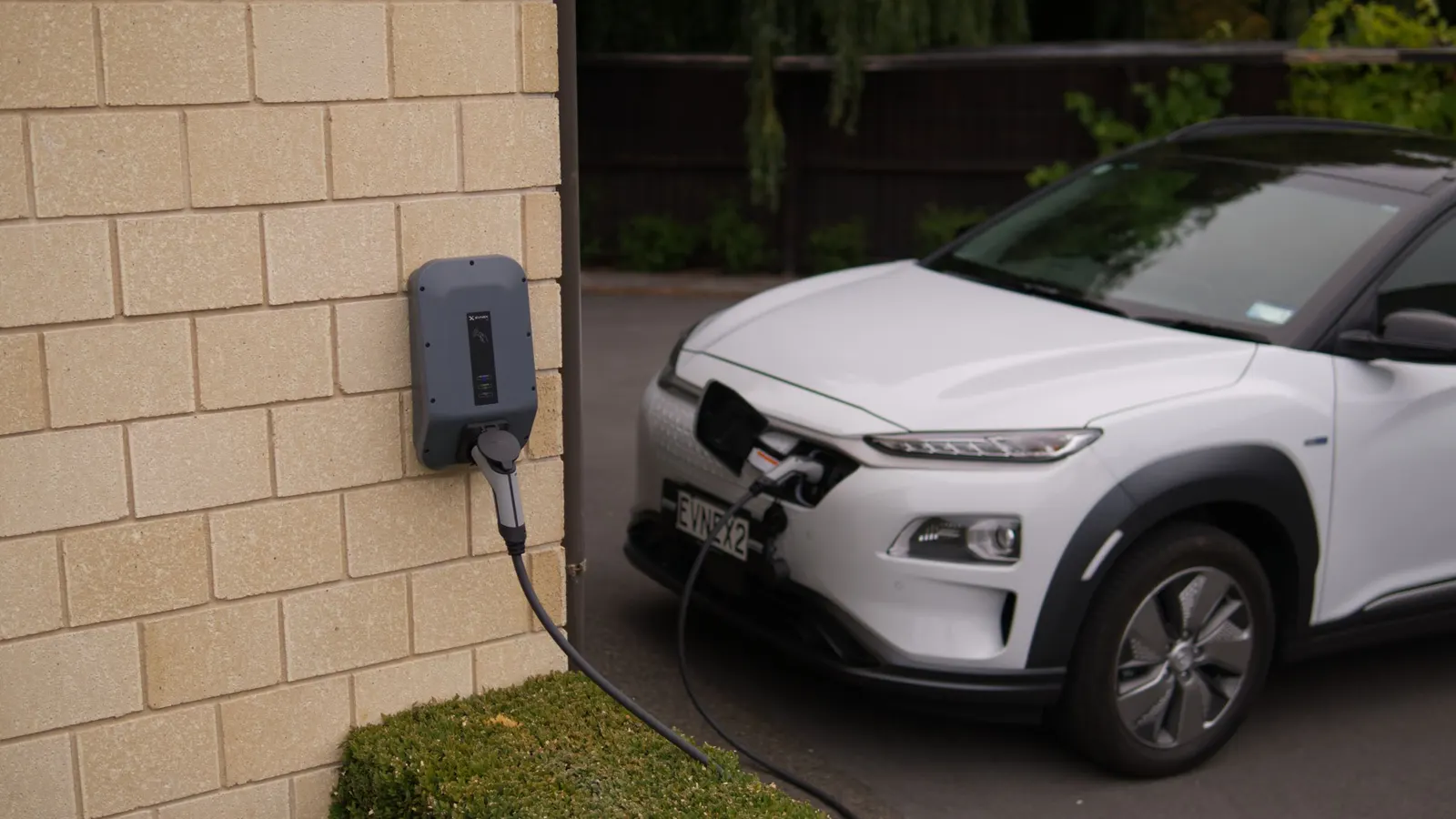
A level 2 ev charger is the most common upgrade new EV owners make. It runs on a 240-volt circuit, like an electric dryer, and adds far more range per hour than the standard 120-volt cordset that comes with most cars. As a result, a Level 2 charger can refill a typical day’s driving in a few hours overnight. This guide explains how to choose the right Level 2 charger, how to size the circuit, and what installation involves.
Last reviewed and updated: October 2, 2026. Written by Jeremy Jarvis.
Key takeaways
- A Level 2 EV charger runs on 240 volts and adds far more range per hour than a standard 120-volt outlet.
- Match the charger’s amperage to a circuit sized at 125 percent of the charging current, and to what your car can accept.
- Plug-in chargers on a NEMA 14-50 outlet are flexible; hardwired chargers allow higher current and avoid outlet wear.
- Choose a safety-certified charger with the right connector, and have a licensed electrician install it with a permit.
However, not every driver needs one. We will also cover when Level 1 is enough. You can estimate charging times with our free EV Charging Time Calculator.
Level 1 vs. Level 2 charging
With Level 1, you charge from a standard 120-volt household outlet. It adds only a few miles of range per hour. However, the Department of Energy notes that many EV owners meet their daily driving needs by charging overnight with Level 1, as long as an outlet on a dedicated circuit is near the parking spot. Plug-in hybrids with small batteries often do fine on Level 1.
Level 2 charging uses 240 volts. ENERGY STAR describes it as typically adding about 10 to 20 miles of range per hour, with chargers wired to 50 amps or more providing faster charging. That speed matters for long commutes, large batteries, multiple drivers or anyone who wants to recover quickly after a road trip.
Do you need a level 2 ev charger?
First, start with your driving. Add up your typical daily miles. Then estimate how many miles Level 1 adds overnight. If Level 1 covers your daily driving with some margin, you may not need Level 2 at all. For example, a short commute with a long overnight parking window often works on Level 1.
On the other hand, Level 2 helps if you regularly drive long distances, park for shorter periods, or want flexibility for unplanned trips. Cold weather is another factor, because winter driving uses more energy. Many owners also choose Level 2 for convenience: a full battery every morning, with no planning.
Choosing amperage for a level 2 ev charger
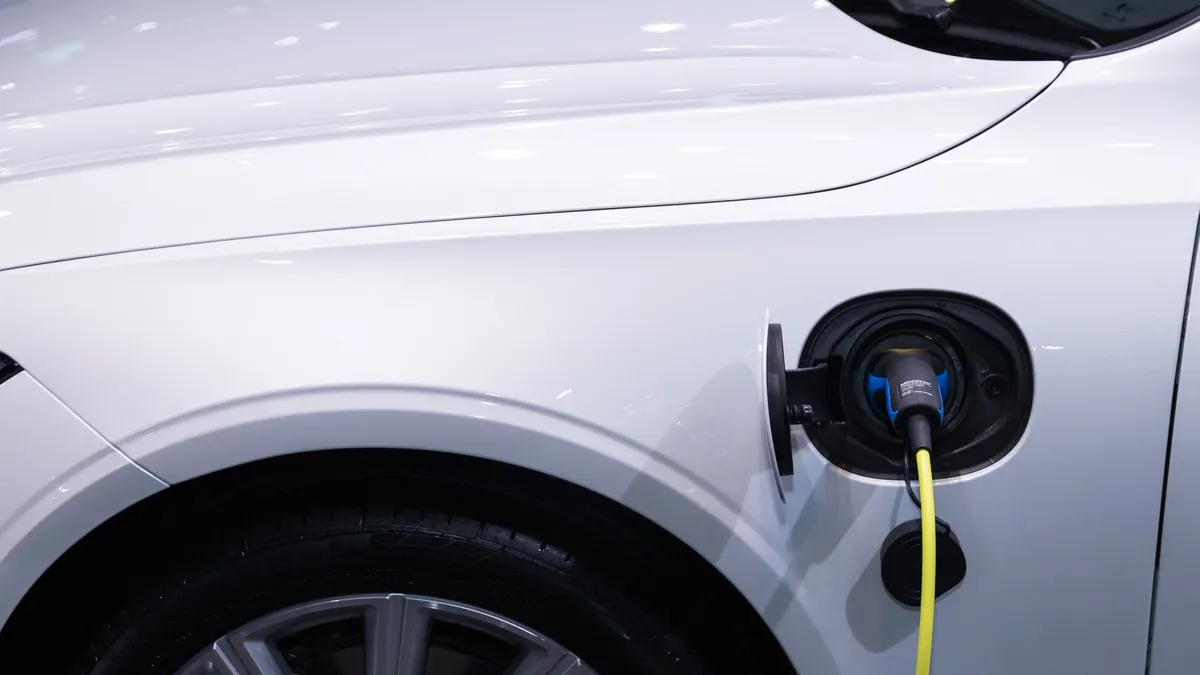
In general, Level 2 chargers are sold by amperage, commonly 16, 32, 40 and 48 amps. Higher amperage means more power and faster charging, up to the limit your car can accept. Power in kilowatts is roughly volts times amps divided by 1,000. At 240 volts, 32 amps is about 7.7 kW, 40 amps about 9.6 kW and 48 amps about 11.5 kW.
Even so, bigger is not always better. A 48-amp charger costs more to install, because it needs a larger circuit and heavier wire. If your car’s onboard charger only accepts about 7 kW, a 48-amp unit will not charge it faster. Therefore, match the charger to your car and your panel.
Circuit sizing: the 125 percent rule
EV charging is a continuous load, so the National Electrical Code sizes the circuit at 125 percent of the charging current. In practice, that gives these common pairings:
| Charging current | Approximate power at 240 V | Typical breaker | Typical connection |
|---|---|---|---|
| 16 amps | About 3.8 kW | 20 amps | Plug-in or hardwired |
| 32 amps | About 7.7 kW | 40 amps | Plug-in or hardwired |
| 40 amps | About 9.6 kW | 50 amps | NEMA 14-50 plug-in or hardwired |
| 48 amps | About 11.5 kW | 60 amps | Hardwired |
Your main panel must have capacity for the new circuit. The Department of Energy notes that some homes have insufficient capacity for Level 2 equipment, and a qualified electrician can add capacity. A load calculation, load management device or panel upgrade may be needed.
The onboard charger limit
Also, every EV has an onboard charger that converts AC from your wall charger into DC for the battery. Its rating sets the maximum AC charging speed. Some cars accept around 7 kW, while others accept 11 kW or more. Check your vehicle’s specifications or the manufacturer’s site. Then choose a charger that meets, but does not greatly exceed, that limit, unless you plan to buy a faster-charging car soon.
Plug-in vs. hardwired Level 2 chargers
Plug-in chargers connect to a 240-volt outlet, most often a NEMA 14-50. They are easy to replace, move or take with you if you relocate. However, a 50-amp outlet supports only 40 amps of continuous charging. Also, outlets can wear with daily heavy use, so ask your electrician about a heavy-duty receptacle. Our NEMA 14-50 outlet guide covers the details.
Hardwired chargers connect directly to the circuit. They can run at 48 amps or more, have no outlet to wear and are often preferred for outdoor installations. On the downside, replacing one requires an electrician. Many owners choose hardwired for permanence and plug-in for flexibility.
Connector types
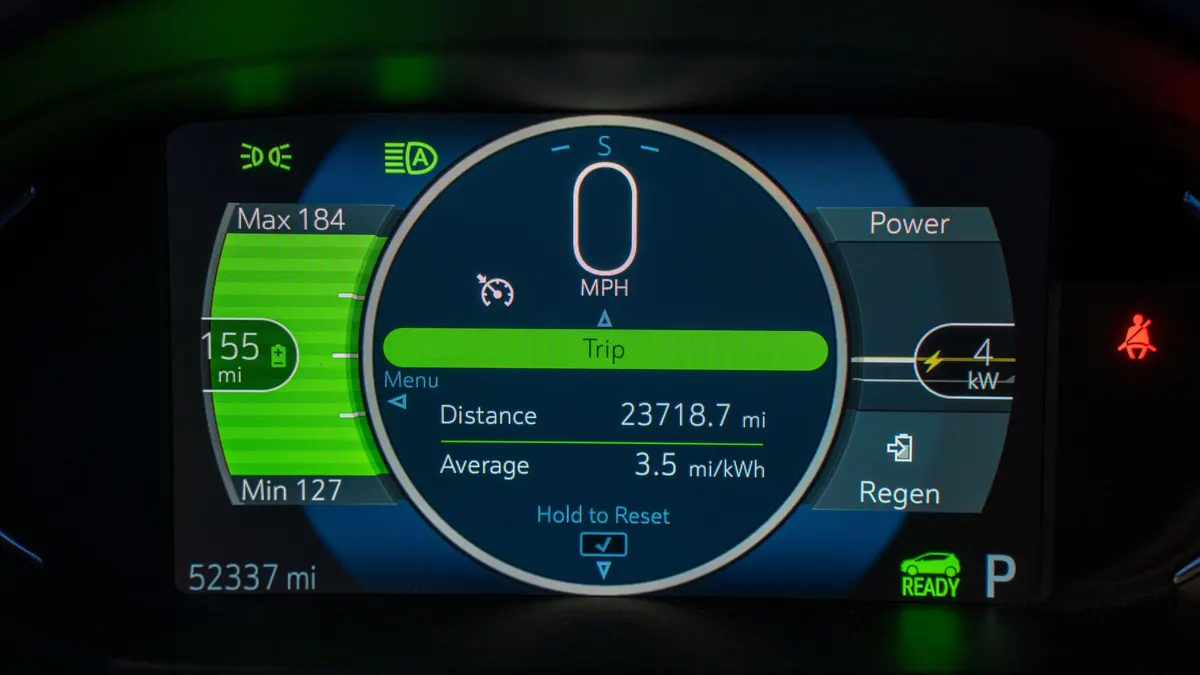
Today, two connector types dominate in North America. The J1772 connector has been common on many non-Tesla EVs. Meanwhile, the connector Tesla uses, standardized as SAE J3400 and often called NACS, has been adopted by many automakers. Check your car’s port. Some chargers offer either connector, and adapters exist, but use only adapters approved by the vehicle maker. Our Tesla Wall Connector guide covers one NACS charger in depth.
Smart features worth having
Smart Level 2 chargers connect to Wi-Fi. They offer scheduling, energy tracking, remote start and stop, and sometimes integration with utility programs. Scheduling matters most, because many utilities offer cheaper off-peak rates overnight. However, many cars can schedule charging on their own, so smart chargers are helpful rather than essential.
Some utilities offer rebates only for certified smart chargers that can join demand response programs. If you want a rebate, check the utility’s list of qualifying models before you buy. Power sharing between two chargers is another useful feature for two-EV homes.
Safety certification
Above all, choose a charger listed by a nationally recognized testing laboratory, such as UL or ETL. Certification shows the product was tested for electrical safety. ENERGY STAR also certifies EV chargers for energy efficiency in standby, which reduces wasted power when the charger is idle. Avoid uncertified products, because charging draws high current for hours.
Cable length and mounting
Cable length also matters more than people expect. Measure from the planned mounting spot to your car’s charge port, then add slack. Many chargers offer cables around 18 to 25 feet. A cable that is too short strains the connector; one that is far too long can become a trip hazard. Also, think about cable management. A hook or holster keeps the cable off the floor and protects the connector.
For outdoor installs, choose a charger rated for outdoor use, and mount it where it will not be hit by snowplows, car doors or sprinklers.
A level 2 ev charger for two-EV homes
Two electric vehicles change the plan. If both cars need charging most nights, you have three options. First, you can install two chargers on two circuits, if your panel has room. Second, you can install two chargers that share one circuit, splitting the current when both cars are plugged in. Third, you can use one charger and alternate nights, which works when daily driving is modest.
Power sharing is often the most efficient choice. Because the chargers split one circuit, you avoid a second large breaker and the panel capacity it needs. When one car finishes, the other receives the full current. Ask your electrician whether your chosen chargers support sharing, and plan parking so both cables reach.
Charging habits that save money
How you charge matters as much as what you buy. Many utilities offer time-of-use rates, where overnight power costs less. Scheduling charging to start after the peak period ends can cut costs noticeably. You can set the schedule in the car, the charger app or both. Also, check whether your utility offers an EV rate plan, which may come with a separate meter or a whole-home time-of-use plan.
Battery care is the other habit. Many vehicle makers suggest daily charging to a set limit rather than 100 percent, saving full charges for trips. Follow your car’s guidance. A level 2 ev charger makes this easy, because a partial charge overnight is quick.
Level 2 charging in apartments and condos
Renters and condo owners face extra steps. You may need permission from a landlord or association, and the parking spot may be far from an electrical panel. Some states have laws that support tenants and owners who want to install chargers, with conditions. In addition, shared charging stations managed by the property are becoming more common.
If installing a Level 2 charger is not possible, Level 1 charging from a nearby outlet, workplace charging or public Level 2 stations can fill the gap. A portable EV charger that works with several outlet types also adds flexibility. Our portable EV charger guide explains that option.
Common mistakes when buying a Level 2 charger
The first common mistake is buying the highest amperage without checking the car’s onboard charger. If the car cannot accept the power, the extra amperage only raises installation cost. Another mistake is skipping the load calculation, which can lead to tripped main breakers or an unexpected panel upgrade later. Equally, buying an uncertified charger to save money is a poor trade for a device that runs at high current for hours.
Finally, people often forget cable reach. Measure first, and consider where you will park in five years, not just today. A slightly longer cable is cheap insurance against a frustrating setup.
Installation: what to expect
A licensed electrician should install any level 2 ev charger. The job usually includes a site visit, a load calculation, a permit, running a dedicated 240-volt circuit, installing the outlet or hardwiring the charger, and an inspection. Ground-fault protection rules apply to many EV charging installations, so the electrician will choose the right breaker or device under current code.
Before you agree, ask for an itemized quote. Then compare the circuit size, wire gauge, route, permit and any panel work. Our EV charger installation cost guide explains what drives the price.
Costs, rates and incentives
In total, the cost includes the charger, installation and any panel work. Running costs depend on your electricity rate. Our EV Charging Cost Calculator estimates your monthly cost and compares it with gasoline. Off-peak or EV-specific rates can make home charging much cheaper.
The federal home charger credit is no longer available for new installations. The IRS states that the alternative fuel vehicle refueling property credit applied to property from January 1, 2023, to June 30, 2026. Some utilities and states still offer rebates, so check before you buy.
Level 2 EV charger checklist
- Estimate daily miles and decide whether Level 1 is enough.
- Check your car’s onboard charger limit and connector.
- Ask for a load calculation on your main panel.
- Choose amperage and the matching circuit size.
- Decide between plug-in and hardwired.
- Pick a certified charger with the right cable length.
- Check utility rebates and off-peak rate plans.
- Hire a licensed electrician and get a permit.
Where to compare Level 2 chargers
When you know your amperage and connector, compare current 40-amp Level 2 chargers, 48-amp hardwired chargers and NACS home chargers. Confirm certification, specifications and compatibility with each manufacturer. For more on home charging, visit our EV Charging hub.
Frequently asked questions about Level 2 EV chargers
Do I need a Level 2 charger for my EV?
Not always. The Department of Energy notes that many drivers meet daily needs by charging overnight with Level 1 equipment on a standard outlet. A Level 2 charger makes sense if you drive longer distances, have a large battery, share one car between drivers or want faster top-ups.
What amp Level 2 charger should I get?
Common choices are 32, 40 and 48 amps. Pick the highest current your car’s onboard charger can use and your panel can support, on a circuit sized at 125 percent of the charging current. Many homes do well with 32 or 40 amps.
How fast does a Level 2 charger charge?
ENERGY STAR describes Level 2 charging on 240 volts as typically adding about 10 to 20 miles of range per hour, with chargers wired to 50 amps or more providing faster charging. Your car’s onboard charger can limit the speed.
Is a hardwired or plug-in Level 2 charger better?
Plug-in chargers on a NEMA 14-50 outlet are easy to replace or move but are limited to 40 amps of continuous charging. Hardwired chargers can run at higher currents, avoid outlet wear and are often required for outdoor installs or higher amperage.
Can I install a Level 2 charger myself?
We recommend a licensed electrician. Installation involves a 240 volt circuit, correct wire and breaker sizing, ground-fault protection where required, and usually a permit and inspection.
Sources and how we researched this guide
This guide is research-based. We did not test the chargers described; we use Department of Energy and ENERGY STAR information on home charging, the circuit sizing conventions of the National Electrical Code, and the math in our free EV charging calculators. Confirm product specifications with each manufacturer and your electrician. Found something out of date? Tell us and we will check it against the source.
- DOE Alternative Fuels Data Center: Charging at home
- ENERGY STAR: Electric vehicle chargers
- NFPA 70: National Electrical Code
- FuelEconomy.gov: Compare electric vehicles
- IRS: Alternative fuel vehicle refueling property credit
Keep planning
- EV Charger Installation Cost: What Drives the Price and How to Save
- Portable EV Charger: How It Works, What It Can Do and How to Choose
- NEMA 14-50 Outlet for EV Charging: Requirements, Safety and Costs
- Tesla Wall Connector: Specs, Circuit Sizing and Installation Explained
Go deeper: EV Charging hub · EV Charging Cost Calculator · EV Charging Time Calculator
