
EV Charger Installation Cost: What Drives the Price and How to Save
EV charger installation cost varies more than the price of the charger itself. Two neighbors can buy the same Level 2 charger and pay very different amounts to install it. The reasons are usually simple: how far the charger sits from the electrical panel, how large a circuit you need, whether the panel has room, and what your town requires. This guide breaks down each factor, explains how to compare quotes and shows honest ways to lower the cost of level 2 charger installation.
Last reviewed and updated: October 2, 2026. Written by Jeremy Jarvis.
Key takeaways
- EV charger installation cost depends mostly on distance from the panel, circuit size, panel capacity and permit requirements.
- A short run next to a panel with spare capacity is the lowest-cost case; long runs and panel upgrades raise the price most.
- Load management devices can avoid a panel upgrade in some homes by limiting charging when other loads run.
- The federal home charger credit ended June 30, 2026, so check utility and state rebates and compare itemized quotes.
We do not publish national price averages here, because local labor rates and homes vary too much. Instead, you will learn what drives the price so you can read any quote with confidence.
The layers of EV charger installation cost
Think of the cost in three layers. First, the equipment: the charger or the outlet and receptacle. Second, the installation: wire, conduit, breaker, labor, permit and inspection. Third, any upgrades: panel work, load management or service changes. Many buyers focus on the charger price. However, installation and upgrades often make up the larger share of the total.
As a result, a cheap charger with an expensive installation can cost more than a premium charger installed on the other side of the panel wall. Always budget for the whole job.
Charger choice and its effect on cost
The charger type affects both equipment and installation. A plug-in charger needs a 240-volt outlet, often a NEMA 14-50. A hardwired charger connects directly to the circuit. For the electrician, the circuit work is similar, although hardwired units can run higher currents that need larger wire. Our Level 2 EV charger guide explains the choice, and our NEMA 14-50 outlet guide covers the outlet route.
Smart features rarely change installation cost much. However, some utilities offer rebates only for certified smart chargers, which can offset equipment cost. Check before you buy.
How circuit size changes EV charger installation cost
Larger circuits cost more. EV charging is a continuous load, so the National Electrical Code sizes the circuit at 125 percent of the charging current. For example, 32 amps of charging needs a 40-amp circuit, 40 amps needs 50 amps, and 48 amps needs 60 amps. Larger circuits require heavier wire, which costs more per foot, and a larger breaker.
Therefore, match the circuit to what your car can use. If your car’s onboard charger accepts about 7 kW, a 40-amp circuit may be all you need. Choosing a 60-amp circuit for a car that cannot use it raises the EV charger installation cost without faster charging.
Distance and route: the biggest EV charger installation cost factor
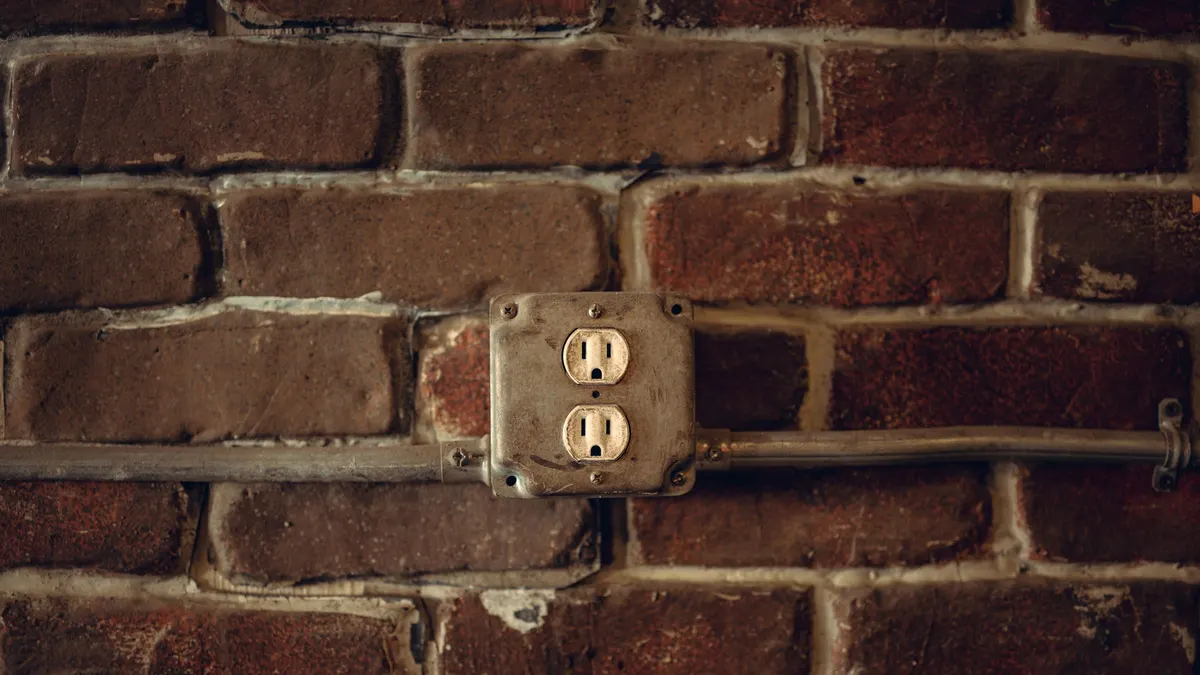
Distance is often the biggest single driver. A charger mounted on a garage wall that backs onto the panel needs only a short run. By contrast, a charger on the far side of the garage, in a driveway or at a detached garage needs a long run. Longer runs use more wire and conduit and take more labor.
The route matters as much as the distance. Running wire along an unfinished garage wall is quick. Fishing wire through finished walls and ceilings, drilling through masonry or trenching outdoors takes much longer. Long runs may also need larger wire to limit voltage drop. Ask each electrician to describe the route in the quote.
Panel capacity and upgrade costs
Your main panel has a limited capacity. The Department of Energy notes that some homes have insufficient electric capacity for Level 2 equipment, and that a qualified electrician can add capacity. A load calculation adds up your home’s existing loads and shows whether a new EV circuit fits.
If the panel is full or near its limit, there are several paths. Sometimes, rearranging breakers or adding tandem breakers where allowed creates space. In other cases, a subpanel helps. When capacity is truly short, a panel replacement or a service upgrade with the utility may be needed. These upgrades can cost far more than the charger installation itself, so explore alternatives first.
Load management: cutting EV charger installation cost without an upgrade
Load management can be a money saver. These devices or smart chargers monitor your home’s total load. When other appliances run, they reduce or pause EV charging, so the panel never overloads. As a result, some homes can add a charger without a panel or service upgrade.
Load management has trade-offs. Charging may slow when the oven, dryer and air conditioner run together. Overnight, though, most homes have spare capacity, so the car still charges fully. Ask your electrician whether load management is allowed under your local code and whether it suits your charger.
Permits and inspection in your installation cost
Most areas require an electrical permit for a new 240-volt circuit. The fee varies by town. In addition, an inspection follows the work. Some electricians include permit fees in their quotes, while others list them separately. A quote without a permit is incomplete.
Permits protect you. An inspected installation documents the work for insurance claims and makes a future home sale smoother. Skipping the permit to save a little money can cost much more later.
EV charger installation cost for outdoor and detached garage setups
Outdoor installations add costs. The charger and any outlet must be rated for outdoor use, and outlets need in-use weather covers. Conduit runs outdoors may need protection from damage. Detached garages often require trenching to bury conduit, which adds labor and, in some cases, a subpanel in the garage.
Even so, outdoor charging can be the most practical choice for homes without garages. Plan the location to minimize trenching and keep the charger safe from vehicles and snow removal.
EV charger installation for two EVs
If you have two EVs, or expect to, plan for both now. Two chargers on two circuits may need more panel capacity. Alternatively, some chargers support power sharing on one circuit, splitting current between cars. That can avoid a second large circuit and a panel upgrade. Our Tesla Wall Connector guide explains one power-sharing setup.
Rebates, rates and the end of the federal credit
The federal home charger credit has ended for new installations. The IRS states that the alternative fuel vehicle refueling property credit applied to property from January 1, 2023, to June 30, 2026. For home use, it covered 30 percent of the cost up to $1,000, and only in eligible census tracts.
Other incentives may still help. Some utilities offer rebates for chargers or installation, sometimes tied to enrolling in an EV rate or a managed charging program. Some states offer their own programs. DSIRE lists programs by state, and your utility’s website lists its own. Meanwhile, off-peak EV rates can lower running costs; our EV Charging Cost Calculator shows the effect.
Three example installations
Examples make the cost drivers easier to see. Consider three hypothetical homes. In the first, the panel sits in the garage, the car parks right beside it, and the panel has spare capacity. The electrician runs a short circuit along an unfinished wall. This is the simplest case and usually the lowest EV charger installation cost.
In the second home, the panel is in the basement on the far side of the house. The wire must travel through finished ceilings and walls to reach the garage. Although the circuit is the same size, the labor is much greater. As a result, this job costs noticeably more, even with the same charger.
In the third home, the panel is small and already near capacity, and the car parks in a detached garage. Here, the electrician may propose load management or a subpanel, plus trenching to the garage. This is the most complex and expensive case. Yet the work can also prepare the garage for future needs, such as a second charger or a workshop.
Questions to ask before you hire
Clear questions lead to fair quotes. First, ask whether the electrician will perform a load calculation and share it. Next, ask what circuit size they recommend and why. Then ask about the route, including any walls, ceilings or masonry they must cross. Finally, ask whether the price includes the permit, inspection, ground-fault protection and patching of any openings.
Also ask about timing. Some utilities or towns take time to issue permits or approve service changes. Knowing the schedule helps you plan, especially if you are picking up a new EV soon. Meanwhile, Level 1 charging from an existing outlet can bridge the gap.
How to compare installation quotes
| Line item | What to check | Why it matters |
|---|---|---|
| Load calculation | Whether it was done and the result | Decides if an upgrade is needed |
| Circuit size | Breaker amps and charging current | Drives wire size and cost |
| Route and length | Path, conduit and finished surfaces | Often the biggest labor factor |
| Ground-fault protection | Device required by local code | Safety and code compliance |
| Permit and inspection | Included or separate | Insurance and resale |
| Panel work | Subpanel, upgrade or load management | Can dominate the total |
| Charger or receptacle | Supplied by you or the electrician | Avoids double counting |
Get at least three quotes from licensed electricians to understand your level 2 charger installation options. Then compare line by line, not just the total. If one quote is much higher, ask why. Often, it reflects a different route, a larger circuit or panel work the others missed.
Ways to lower EV charger installation cost
Several honest strategies help. First, mount the charger as close to the panel as practical while still reaching the car. Second, size the circuit to your car’s needs rather than the maximum. Third, ask about load management before agreeing to a panel upgrade. Fourth, combine projects: if you plan solar, a battery or a heat pump, a single panel plan can save rework.
Timing helps too. Electricians are often busier in certain seasons, so asking for quotes early gives you time to compare. Finally, check utility rebates before you buy equipment, because some require pre-approval or specific models.
EV charger installation cost checklist
- Check your car’s onboard charger limit and connector.
- Choose a mounting spot close to the panel that reaches the car.
- Ask for a written load calculation.
- Size the circuit to the charging current you will use.
- Ask about load management before any panel upgrade.
- Confirm permit, inspection and ground-fault protection.
- Compare at least three itemized quotes.
- Look up utility rebates and EV rate plans.
Where to start
Estimate your charging needs with the EV Charging Time Calculator, then request quotes with this guide in hand. When your electrician confirms the circuit, compare current Level 2 chargers and load management options. For more on home charging, visit our EV Charging hub.
Frequently asked questions about EV charger installation cost
How much does it cost to install a Level 2 charger?
It varies widely with your home. The main factors are distance from the electrical panel, circuit size, wire type, wall and floor finishes, permit fees and whether the panel needs more capacity. Itemized quotes from local licensed electricians are the only reliable way to know your cost.
Do I need a panel upgrade for an EV charger?
Not always. A load calculation shows whether your panel can support the new circuit. If capacity is tight, options include a smaller circuit, a load management device or, in some cases, a panel or service upgrade.
Is a permit required to install an EV charger?
Most jurisdictions require an electrical permit and inspection for a new 240 volt circuit. The permit protects you, documents the work for insurance and resale, and is usually handled by the electrician.
Is there still a federal tax credit for home EV chargers?
The IRS states that the alternative fuel vehicle refueling property credit applied to property from January 1, 2023, to June 30, 2026, so new installations after that date do not qualify. Some utilities and states still offer rebates.
Is it cheaper to install an outlet or a hardwired charger?
Costs are often similar for the circuit itself. An outlet lets you use a plug-in charger, while hardwiring avoids receptacle costs and wear and allows higher current. The circuit size and route usually matter more than the connection type.
Sources and how we researched this guide
This guide is research-based. We did not collect electrician quotes or publish price averages, which vary widely by region; instead we explain each cost driver using Department of Energy home charging guidance, National Electrical Code conventions and current IRS information. Get local itemized quotes for real numbers. Found something out of date? Tell us and we will check it against the source.
- DOE Alternative Fuels Data Center: Charging at home
- ENERGY STAR: Electric vehicle chargers
- IRS: Alternative fuel vehicle refueling property credit
- NFPA 70: National Electrical Code
- DSIRE: Database of state incentives
Keep planning
- Portable EV Charger: How It Works, What It Can Do and How to Choose
- NEMA 14-50 Outlet for EV Charging: Requirements, Safety and Costs
- Level 2 EV Charger: How to Choose and Install One at Home
- Tesla Wall Connector: Specs, Circuit Sizing and Installation Explained
Go deeper: EV Charging hub · EV Charging Cost Calculator · EV Charging Time Calculator
